
Sheboygan Quick Lube Plus

Providing Quality Oil Change Service for Any Make or Model!

Blog

All Vehicle Service Oil Change Service Dealer Alignment Emissions Service
Why a 27-Point Courtesy Inspection Matters for Every Oil Change around Sheboygan, WI

Why a 27-Point Courtesy Inspection Matters for Every Oil Change around Sheboygan, WI

Sheboygan Quick Lube Plus - Why a 27-Point Courtesy Inspection Matters for Every Oil Change around Sheboygan, WI A quick oil change does more than refresh lubrication — it is the perfect moment to verify your vehicle’s overall health. That is where a 27-point courtesy inspection shines. By reviewing core safety systems, wear components, and fluid condition during the same visit, you leave with a clear picture of what looks great today and what deserves attention next. At Sheboygan Quick Lube Plus, we make this review part of the process so you can plan smarter, not spend more time in the shop. Think about how you drive each week: short trips to the store, a commute along I-43, school drop-offs, and weekend errands across Washington Ave. Those miles add up in different ways. Fluids age, tires wear, small leaks appear, and batteries lose capacity. A consistent, methodical inspection catches those changes early, so you can address them at the right moment — before they become disruptive repairs or roadside headaches. The greatest value of a 27-point check is clarity. You are not guessing about tire condition, fluid levels, or battery health. You are not hoping your wipers will work in the next rain. You leave with information you can act on — prioritized, explained, and easy to track on future visits. Major systems review: A top-to-bottom look at key components helps surface safety-critical concerns early. Fluid levels and condition: Clean, properly filled fluids support performance, cooling, braking, and transmission function. Tire pressure and tread: Correct PSI and even wear boost stability, fuel efficiency, and ride comfort. Battery condition: Confirms healthy starts and reliable power for accessories and safety systems. Air filter check: Adequate airflow supports efficient combustion and consistent throttle response. Brake lines and hoses: A visual check for leaks or damage helps preserve braking confidence. Pairing this review with your oil service is efficient by design. While the drain-and-fill happens, our team evaluates wear items and safety checks that naturally align with the service bay workflow. Before the vehicle comes down from the lift, you have a professional perspective on essentials like tire condition and brake lines; before the hood closes, you have clarity on fluid levels, filter condition, and the battery. That information is practical. If we see healthy wear on all four tires and even tread depth, you have the green light to keep rotating on schedule. If a battery shows early signs of aging, you can decide when to replace it before cold cranks or a busy morning exposes a weakness. If a filter is approaching the end of its life, you can plan a quick swap on your next stop. The point is not to sell parts — it is to provide a playbook you trust. It also helps you with time-related services. An alignment inspection done alongside an oil change and tire rotation protects tread life and improves steering feel. A fresh engine air filter pairs well with an oil change because both support efficient combustion. And because tire pressure is set to spec during your visit, you roll out with a stable ride and predictable handling. We are equally focused on convenience. No appointment is necessary — simply drive in, and the inspection is completed as part of your visit. The process is consistent, and the results are explained in plain language. You will know if everything looks great now, what deserves a watchful eye, and what is worth addressing soon. It is a simple system that removes guesswork and supports smarter vehicle ownership. Arrive with a short list: Note any new vibrations, noises, smell changes, or dashboard lights since your last visit. Bundle basics: Oil change, rotation, and an alignment inspection together safeguard your most important wear items. Review results: Ask for a quick walkthrough of what is green, yellow, and red on your inspection. Plan your next step: Schedule follow-up work only when it makes sense for mileage, time, and your calendar. We take pride in transparent recommendations. If everything checks out, you are good to go. If we find developing concerns, we explain what to watch and when to act. That way, you control the timeline, not the other way around. One visit, one checklist, and a simple plan. Whether you are logging daily miles on the interstate or stacking short trips around town, consistency is key. Tie your 27-point courtesy inspection to your oil change interval, keep tire rotations on schedule, and ask for an alignment inspection when you notice a pull or see uneven tread. This steady rhythm helps your vehicle stay quiet, smooth, and predictable — and it keeps your to-do list manageable. If you want a maintenance stop that respects your time and gives you useful, prioritized insight, make your next oil change the moment you get a trusted snapshot of overall vehicle health. One visit covers the essentials — from fluids and filters to tires and brake lines — and sets you up for confident, low-stress driving. When you are ready, simply stop by. We will complete your oil change and 27-point courtesy inspection, talk through the findings, and help you plan smart next steps that fit your schedule. It is vehicle care made clear, so you can keep moving with confidence — today and thousands of miles from now. If you are searching for a dependable place to handle regular maintenance and a thorough health check in a single stop, you have found it. Sheboygan Quick Lube Plus keeps the process simple, the inspection consistent, and the guidance straightforward — the way car care should be. Request more information

Smart Engine Air Filter Care for Daily Drives around Sheboygan, WI

Smart Engine Air Filter Care for Daily Drives around Sheboygan, WI

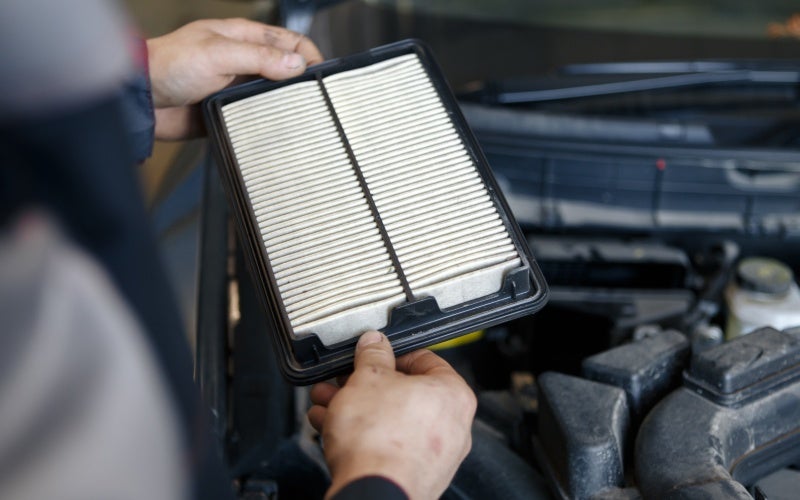
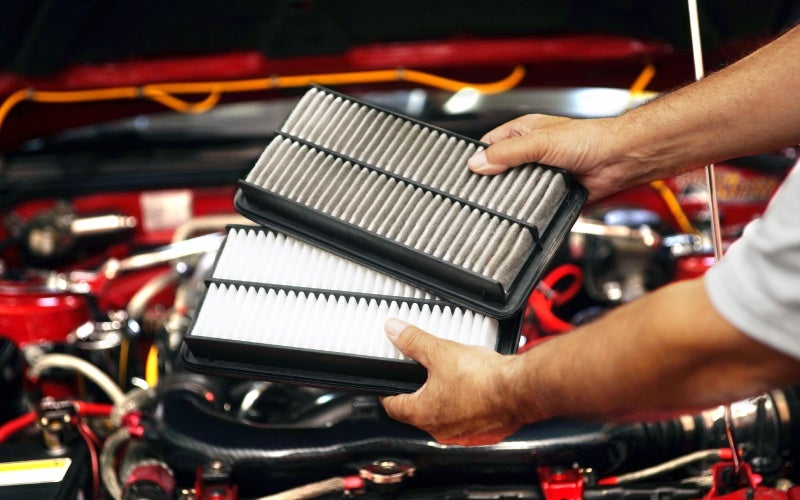
Sheboygan Quick Lube Plus - Smart Engine Air Filter Care for Daily Drives around Sheboygan, WI Clean engine air is the unsung hero of smooth acceleration, crisp throttle response, and consistent fuel economy. If your engine cannot breathe freely, every mile feels a little harder, and every stoplight launch takes a little longer. That is why engine air filter care belongs on your short list of routine maintenance — simple to check, quick to replace, and essential for long-term reliability. In a community with a mix of city streets, waterfront breezes, and county-road detours like Sheboygan, WI, airborne dust, pollen, and grit are a constant. Your filter catches it all before it can reach sensitive parts like the mass airflow (MAF) sensor and the cylinders. Keep it healthy, and your whole powertrain benefits. How often should you replace an engine air filter? The owner’s manual guidance is a good baseline, but your actual interval hinges on your environment and driving style. Short trips, frequent idling, and time spent near construction zones load up the filter faster. If you often hop between errands along Washington Avenue, jump on I-43, and loop back through neighborhood side streets, your filter is working overtime, trapping fine debris. A quick monthly look is smart: open the air box, remove the element, and hold it to the light. If you cannot see light through much of the media or the pleats look caked with dust, it is time to change. Watch for drivability changes like hesitation or rough idle Track fuel economy to spot airflow-related dips Listen for unusual intake sounds from the air box Inspect the air box seal and duct clamps during each check Match the filter to your engine’s exact specifications Accuracy matters. A filter that is slightly off in size may appear to fit but leave gaps that let unfiltered air bypass the media. That unmetered air can confuse the MAF sensor, skew fuel trims, and even illuminate the check engine light. When you install a new element, make sure the gasket seats squarely, the air box latches click firmly, and the snorkel clamps are tight. If your vehicle uses a reusable oiled filter, follow the manufacturer’s cleaning and oiling instructions meticulously — too much oil can coat the MAF wire and trigger drivability issues. Many drivers ask whether a fresh filter will boost miles per gallon. The best way to think about it is recovery rather than a bonus. As a filter loads up, airflow drops, and the engine compensates with different fuel trims and throttle behavior. Restoring a clean, correct-flow path lets the engine get back to its designed balance. You may notice the throttle feels lighter, hill climbs require less pedal, and your average fuel economy returns to where it used to be. Those are real gains in daily satisfaction, even if they do not show up as a dramatic number on paper. Local conditions influence maintenance more than you might expect. Around the lakeshore, breezes carry fine organic matter that adheres to the filter. During roadwork, heavy equipment kicks up grit that lingers downwind for days. Rural shortcuts near fields can add a surprising amount of dust in a single trip. If your routine includes any of these, consider inspecting the filter at every oil change and replacing it earlier than the manual’s maximum. A conservative approach beats putting extra wear on piston rings and cylinder walls. Here is a simple at-home inspection routine you can use between professional visits: Shut off the engine and open the hood safely Release the air box clips or screws and note the filter orientation Lift the element out carefully to avoid dumping debris into the box Tap the filter gently to dislodge loose dust and check the pleats Hold it to a bright light to gauge remaining airflow capacity Vacuum out the air box and wipe the gasket seat before reassembly Reinstall the filter correctly and secure all latches and clamps Even with a good DIY routine, pairing your intake check with a professional multi-point inspection is wise. Technicians see patterns across makes and models, know where ducts commonly crack, and can advise whether a drivability symptom is filter-related or points to a sensor or ignition component instead. That context saves time and helps you prioritize maintenance in a way that truly supports long-term reliability. If you want a quick, expert perspective, Sheboygan Quick Lube Plus can evaluate your filter, confirm the correct part, and install it properly while also checking related intake components. We welcome all makes and models and offer an efficient, straightforward visit that respects your schedule and driving needs. Frequently Asked Questions: Will a high-flow performance filter help my daily driver? High-flow elements can reduce restriction at high RPM, but for typical commuting, they rarely change the real-world feel. Filtration quality and proper sealing matter most for longevity. Is it okay to blow out a dirty paper filter with compressed air? It is not recommended. High-pressure air can damage the paper fibers and create micro-tears that reduce filtration. Replace the element instead. Why does my filter get dirty so fast after road construction? Freshly milled surfaces and aggregate dust remain airborne long after crews finish for the day. That fine grit loads up the outer pleats quickly, especially on short trips. Can a clogged cabin air filter affect the engine? Cabin and engine filters serve different systems. A clogged cabin filter affects HVAC airflow and comfort, while the engine air filter impacts performance and fuel economy. How can I tell if unmetered air is getting past the filter? Look for loose clamps, cracked ducts, or a misaligned air box lid. Symptoms can include surging, lean codes, or unusual intake sounds. Fixing the seal path is essential. Request more information

Pothole Season Wheel Alignment Guide for Sheboygan, WI, Drivers

Pothole Season Wheel Alignment Guide for Sheboygan, WI, Drivers

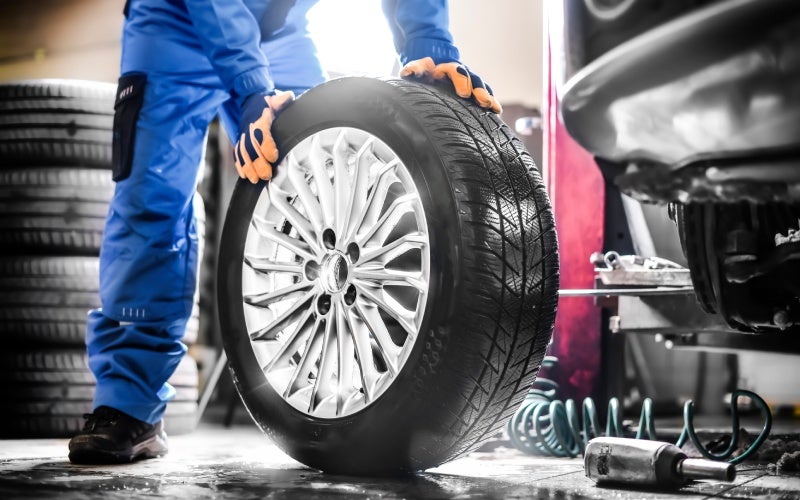
Sheboygan Quick Lube Plus - Pothole Season Wheel Alignment Guide for Sheboygan, WI, Drivers Wisconsin’s freeze-thaw cycles are hard on pavement and even harder on suspension geometry. When a tire plunges into a pothole or rides up a sharp edge, the jolt can nudge camber, caster, or toe out of specification. The result is a vehicle that no longer tracks straight, a steering wheel that drifts off-center, and tires that begin to show uneven or rapid wear. Catching these changes early helps you avoid avoidable tire replacement and restores the calm, confident road feel you expect on daily routes across Sheboygan. Alignment is about how your tires meet the road. Camber governs the inward or outward tilt of the tire and affects how the tread loads in corners. Caster influences straight-line stability and steering return. Toe describes the direction tires point relative to each other and is a major driver of tread scrub at highway speeds. A pothole strike can shift one or more of these angles by fractions of a degree — small on paper, but big enough to generate noise, wear, and wandering. After any harsh impact, treat an alignment check like insurance for your tires and steering components. Vehicle pulls to one side on a level road Steering wheel is off-center when driving straight Inside or outside shoulder wear on one or more tires Feathered tread blocks or cupping noise over smooth pavement New tires are wearing unevenly despite regular rotations If you feel a hit, a few simple steps can prevent additional damage and help your alignment specialist diagnose efficiently. Safely pull over and visually inspect tires and wheels for cuts, bulges, or bends. Note any new vibration, pull, or noise that starts after the impact. Check tire pressure once everything cools — a slow leak can mask alignment clues. Schedule an alignment check and mention exactly where and how the impact occurred. Ask for before-and-after measurements to confirm geometry is back to spec. Not every vehicle needs the same alignment approach. Many platforms benefit from a four-wheel alignment that sets the rear first and references the front to the thrust line. Trucks with solid rear axles and certain SUVs may allow different ranges of adjustment. If a component is bent or a bushing is excessively worn, proper alignment will not hold for long — addressing that root cause is essential to protect tires and steering feel. Alignment success also depends on proper tire pressure, wheel balance, and true wheels. Think of these as a system: geometry, roundness, and inflation work together to deliver quiet, even tread contact. As seasons change, it is smart to add a quick alignment check to your maintenance plan. Pairing geometry verification with regular oil service and tire rotations improves tread life, braking stability, and fuel economy. Transparent measurement reports help you plan ahead and avoid surprises. When you need guidance you can trust, Sheboygan Quick Lube Plus provides clear explanations and practical recommendations tailored to your vehicle. Our team is committed to serving Sheboygan with convenient service that keeps drivers moving with confidence, from winter frost heaves to spring construction zones. A few millimeters at the curb can mean miles of extra tire life — make alignment part of your road-ready routine. Request more information

Choosing Full Synthetic Oil for Cold Starts around Sheboygan, WI

Choosing Full Synthetic Oil for Cold Starts around Sheboygan, WI

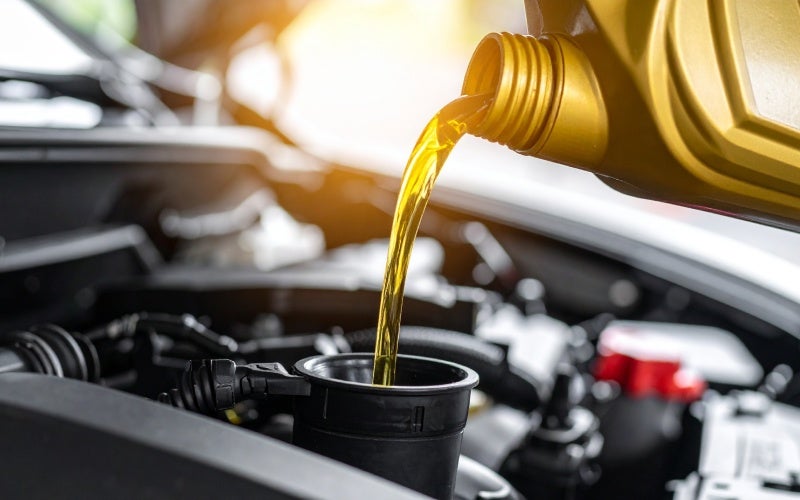
Sheboygan Quick Lube Plus - Choosing Full Synthetic Oil for Cold Starts around Sheboygan, WI When temperatures drop, and engines face repeated cold starts, oil chemistry makes a measurable difference in wear protection and drivability. Full synthetic oil maintains viscosity better at low temperatures, circulates faster on startup, and resists high-heat oxidation when your engine warms up. That means safer boundary lubrication in the first seconds after ignition and a stronger defense against deposits that can impede variable valve timing or turbocharger performance. If your commute is short or includes frequent stops, synthetics help stabilize protection despite limited warm-up time. A practical way to decide between synthetic, synthetic blend, and conventional is to examine your engine’s certification requirements and your true driving conditions. Many modern vehicles specify synthetic for turbo or direct-injected designs, while others allow flexibility. For drivers who tow, idle in traffic, or encounter wide temperature swings, synthetic oil’s shear resistance and film strength are decisive advantages. For lower-mileage vehicles that rarely see severe duty, a synthetic blend may balance performance with budget. Either way, the goal is the correct viscosity and certification for your make and model. Faster cold-flow: Reduces startup wear when oil is thickest and metal-to-metal contact risk is highest. Deposit control: Enhanced detergents and oxidation resistance keep critical oil passages cleaner for longer. High-temperature stability: Maintains viscosity under heavy loads, towing, or hot summer traffic. Turbocharger protection: Resists coking in high-heat bearings and improves long-term reliability. Extended intervals: When OEM-approved, synthetics can support longer service intervals without sacrificing protection. To get the most from synthetic oil, pair it with a quality filter designed for your change interval. Look for robust media, a reliable anti-drainback valve for overnight protection, and correct bypass pressure for your engine. Consistency matters: follow an interval that matches your vehicle’s maintenance minder or owner’s manual, adjusted for short trips, towing, or frequent cold starts. Keep records of every service, including the oil specification and filter used. That documentation supports warranty compliance and gives you a clear baseline for future diagnostics. Our team performs precise oil selection and installation, verifies levels after run-in, and resets maintenance indicators so your reminders stay accurate. We also check tire pressures, brakes, battery health, belts, and hoses during a multi-point inspection to help you spot issues before they strain your schedule or budget. Sheboygan Quick Lube Plus is serving Sheboygan with oil options and maintenance insights designed to keep engines cleaner, quieter, and ready for any season. When you want dependable cold-start protection and smoother daily driving, we are ready to help you choose, service, and track the right synthetic solution for your vehicle’s unique needs. Request more information

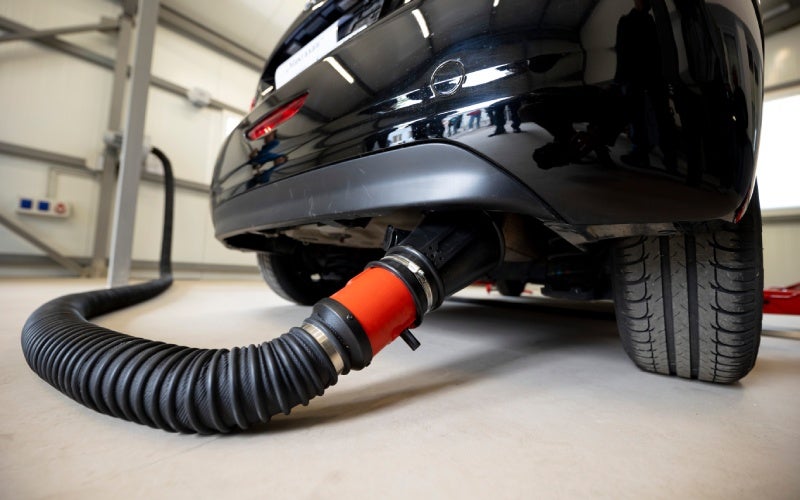
Readiness Monitors and Efficient Emissions Visits for Sheboygan, WI Drivers

Readiness Monitors and Efficient Emissions Visits for Sheboygan, WI Drivers

Sheboygan Quick Lube Plus - Readiness Monitors and Efficient Emissions Visits for Sheboygan, WI Drivers When your vehicle is due for an emissions inspection, readiness monitors and check engine status determine whether you pass on the first try or face a retest. Readiness monitors are self-checks your engine and emissions systems perform over normal driving. If you recently replaced a battery, cleared codes, or performed repairs, those monitors reset and must relearn. The fastest path to a pass is simple: complete a balanced drive cycle before you test. That typically means a mix of steady highway cruising and city stop-and-go, so the powertrain control module confirms proper operation across temperature, speed, and load ranges. If any emissions-related trouble code is active — usually shown by a check engine light — address it prior to your visit. Because many failures are avoidable, a practical pre-test routine saves time. Start by confirming the check engine light is off, then ensure your gas cap seals firmly to prevent evaporative emissions leaks. Aim for a fuel level between roughly one-quarter and three-quarters full so system checks can be completed as designed. If you just finished repairs, allow several trips for monitors to complete; do not clear codes immediately before your appointment, and avoid disconnecting the battery. Bring your renewal notice or your plate and vehicle details so administrative steps happen quickly after a pass. A few minutes of preparation lead to a cleaner, quicker visit and reduce the chance of a second trip. Check Engine Light: Resolve emissions-related fault codes before testing; an active light commonly prevents a pass. Monitor Completion: Drive both highway and city routes so the system can confirm catalyst, oxygen sensor, and evaporative checks. Fuel Level: Keep the tank between about one-quarter and three-quarters to help evaporative self-tests run. Gas Cap Seal: Tighten until it clicks; replace a worn cap to avoid a leak-related failure. Documentation: Bring your renewal notice or plate/vehicle info to finish registration after a pass. Timing: Test during posted hours and plan for ffirst-come first-served queuing. After a failure, use the inspection readout as a roadmap. If monitors are incomplete, prioritize a thorough drive cycle that includes steady speeds, gentle accelerations, a full warm-up, and short idle periods. If you received a code for an oxygen sensor, catalytic efficiency, or evaporative leak, address root causes rather than simply clearing the code; the system will relearn and report the same fault if the issue persists. Consider pairing routine maintenance with your preparation: a clean engine air filter supports proper fuel trim, and new spark plugs at the recommended interval help keep combustion efficient. If you have questions about specific fault codes, bring your notes to your next visit so the staff can point you to the right next steps after the retest. Sheboygan Quick Lube Plus emphasizes practical guidance and efficient lane flow so you can complete testing and, when eligible, handle registration immediately afterward. Our team prioritizes clarity at every step — from arrival to results. With predictable procedures, courteous staff, and focused pre-test tips, you can approach inspection day with confidence. By preparing your vehicle, confirming monitor completion, and organizing your documents, you will likely move through the line quickly and leave with your compliance checked off and your schedule intact. That is the balance every driver appreciates — a smooth visit and evidence that your vehicle’s emissions systems are doing their job. Request more information

Hello world!

Welcome to WordPress. This is your first post. Edit or delete it, then start writing!

Contact Us

Fill out this form below and we'll contact you shortly
*Required Fields