Sheboygan Quick Lube Plus

Providing Quality Oil Change Service for Any Make or Model!

Blog / Oil Change

Choosing Full Synthetic Oil for Cold Starts around Sheboygan, WI

Choosing Full Synthetic Oil for Cold Starts around Sheboygan, WI

Sheboygan Quick Lube Plus - Choosing Full Synthetic Oil for Cold Starts around Sheboygan, WI

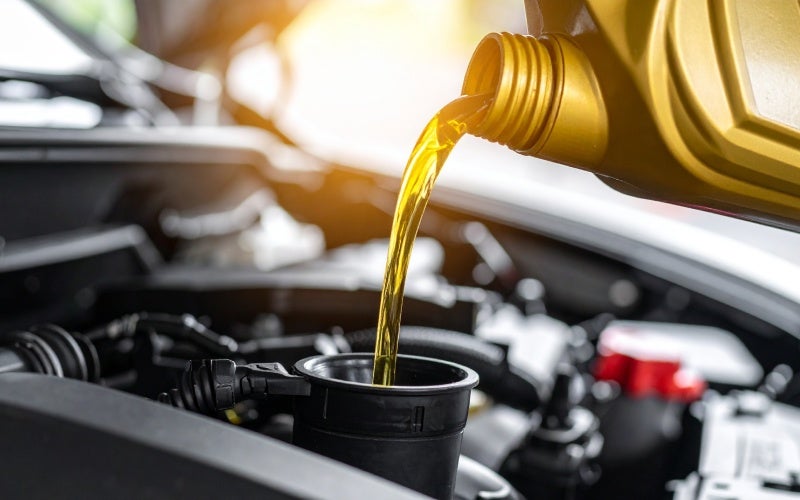
When temperatures drop, and engines face repeated cold starts, oil chemistry makes a measurable difference in wear protection and drivability. Full synthetic oil maintains viscosity better at low temperatures, circulates faster on startup, and resists high-heat oxidation when your engine warms up. That means safer boundary lubrication in the first seconds after ignition and a stronger defense against deposits that can impede variable valve timing or turbocharger performance. If your commute is short or includes frequent stops, synthetics help stabilize protection despite limited warm-up time.

A practical way to decide between synthetic, synthetic blend, and conventional is to examine your engine’s certification requirements and your true driving conditions. Many modern vehicles specify synthetic for turbo or direct-injected designs, while others allow flexibility. For drivers who tow, idle in traffic, or encounter wide temperature swings, synthetic oil’s shear resistance and film strength are decisive advantages. For lower-mileage vehicles that rarely see severe duty, a synthetic blend may balance performance with budget. Either way, the goal is the correct viscosity and certification for your make and model.

  • Faster cold-flow: Reduces startup wear when oil is thickest and metal-to-metal contact risk is highest.
  • Deposit control: Enhanced detergents and oxidation resistance keep critical oil passages cleaner for longer.
  • High-temperature stability: Maintains viscosity under heavy loads, towing, or hot summer traffic.
  • Turbocharger protection: Resists coking in high-heat bearings and improves long-term reliability.
  • Extended intervals: When OEM-approved, synthetics can support longer service intervals without sacrificing protection.

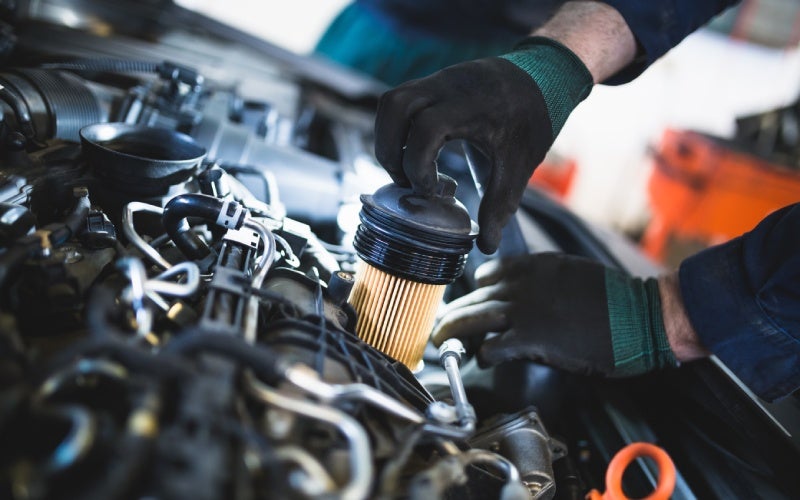
To get the most from synthetic oil, pair it with a quality filter designed for your change interval. Look for robust media, a reliable anti-drainback valve for overnight protection, and correct bypass pressure for your engine. Consistency matters: follow an interval that matches your vehicle’s maintenance minder or owner’s manual, adjusted for short trips, towing, or frequent cold starts. Keep records of every service, including the oil specification and filter used. That documentation supports warranty compliance and gives you a clear baseline for future diagnostics.

Our team performs precise oil selection and installation, verifies levels after run-in, and resets maintenance indicators so your reminders stay accurate. We also check tire pressures, brakes, battery health, belts, and hoses during a multi-point inspection to help you spot issues before they strain your schedule or budget. Sheboygan Quick Lube Plus is serving Sheboygan with oil options and maintenance insights designed to keep engines cleaner, quieter, and ready for any season. When you want dependable cold-start protection and smoother daily driving, we are ready to help you choose, service, and track the right synthetic solution for your vehicle’s unique needs.

Request more information

Posted in:

Related Posts

Combining Oil Changes with Air Filter Checks in Sheboygan, WI

Combining Oil Changes with Air Filter Checks in Sheboygan, WI

Sheboygan Quick Lube Plus - Combining Oil Changes with Air Filter Checks in Sheboygan, WI Many drivers search for an oil change when the dashboard reminder appears, but an oil service visit is also one of the smartest times to check the filters that help your vehicle breathe. Engine oil protects internal components by lubricating moving parts and carrying away contaminants, while the engine air filter helps keep dirt, dust, and debris from entering the engine in the first place. When both are maintained together, the engine can operate more efficiently and with less unnecessary strain. Around Sheboygan, vehicles often handle a wide range of driving in a single week, from quick neighborhood trips to longer drives toward Manitowoc, Port Washington, West Bend, Fond du Lac, or Grafton. That variety can make maintenance needs less predictable than mileage alone suggests. At Sheboygan Quick Lube Plus, we provide oil change service for any make or model and can check key maintenance items during the same visit, helping drivers make practical decisions without turning a simple oil change into a complicated process. Why Oil and Engine Airflow Work Together Your engine depends on clean oil and clean air. Oil reduces friction, helps control heat, and protects metal components as the engine runs. The engine air filter helps prevent small particles from reaching the intake system and engine. When oil becomes contaminated or the air filter becomes restricted, the engine may need to work harder than intended. Drivers might notice rougher performance, reduced fuel efficiency, or slower response. A dirty air filter does not always create an immediate warning light, which is why checking it during an oil change is so useful. If the filter is clean, no replacement may be needed. If it is clogged, replacing it can support fuel efficiency, help prolong engine life, and reduce emissions. This is a practical maintenance step for local drivers who want a dependable vehicle for work, family travel, errands, and weekend plans without waiting for a performance issue to appear. Signs Your Engine Air Filter May Need Attention Reduced acceleration: A restricted filter can limit airflow and make the engine feel less responsive. Lower fuel economy: Poor airflow can cause the engine to work harder during everyday driving. Dirty filter appearance: Heavy dust, debris, or dark buildup may suggest replacement is needed. Unusual engine sound: Restricted airflow can sometimes contribute to rougher engine operation. Emissions concerns: A clean filter can help the engine burn fuel more efficiently and reduce emissions. Not every symptom points directly to an air filter problem, but the filter is quick to inspect and easy to discuss during service. Many vehicles look fine from the outside while maintenance items are gradually wearing or clogging underneath. That is why a routine oil change is a good opportunity to ask about oil type, filter condition, tire pressure, wiper blades, and cabin airflow. For Sheboygan drivers who balance work schedules, family needs, and errands across town, grouping these checks together saves time and supports better vehicle care. Do Not Forget the Cabin Air Filter The cabin air filter is different from the engine air filter. Instead of protecting the engine, it helps support ventilation inside the vehicle and protects the HVAC system. When the cabin air filter becomes clogged, airflow through the vents may feel weaker, and the cabin may not clear as comfortably when humidity or road film affects visibility. This filter also helps reduce the amount of dust and debris circulating through the passenger area. A cabin air filter check can be especially helpful for drivers who spend a lot of time on local roads, commute daily, transport children, or use the vehicle as a mobile office between appointments. Since the cabin air filter condition is not always obvious from the driver's seat, having it reviewed during routine service can prevent guesswork. If replacement is needed, it can often be handled quickly alongside other maintenance items. An oil change visit can also include attention to tires and visibility. Sheboygan Quick Lube Plus is a one-stop shop for oil changes, tire rotations, alignment checks, air filters, wiper blades, and more. Tire rotation promotes uniform tread wear, while tire pressure checks help support handling and efficiency. Alignment inspections can identify conditions that may cause the vehicle to pull or wear tires unevenly. Wiper blades matter because clear visibility is part of safe driving, whether you are on city streets, near the lakefront, or traveling on I-43. Dry, cracked, or streaking blades can be replaced in minutes with quality blades. These added checks do not distract from the oil change; instead, each one helps create a clearer picture of the vehicle’s condition. What a 27-Point Courtesy Inspection Adds Every service includes a thorough 27-point multi-point inspection, a tire pressure check, and a car wash if wanted. The inspection reviews major systems, fluids, air filter, battery, tire pressure, tire condition, brake lines, hoses, and other items. This helps drivers stay ahead of small changes before small concerns become inconvenient repairs. It is also helpful when a vehicle is new to you, when maintenance records are incomplete, or when the dashboard has not displayed a warning but the vehicle feels slightly different. Because most quick lube services are handled on a first-come, first-served basis, drivers can simply drive in when service fits the day. A standard oil change can take about 30 minutes to an hour, depending on the vehicle and added services, with wait time varying during busy periods. Oil type is another important part of the conversation. We carry traditional oil types, including conventional and full synthetic, and service options also include semi-synthetic and diesel oil. The right choice depends on the vehicle manufacturer's recommendation, make, model, mileage, and engine requirements. Some engines are designed for full synthetic oil, while others may use conventional or semi-synthetic oil when appropriate. Diesel vehicles require oil built for diesel engine demands. If you are unsure what your vehicle needs, our skilled technicians can review the recommendation and make suggestions based on the vehicle. This is especially useful for drivers who recently bought a used vehicle, inherited a family car, changed commuting patterns, or moved into the Sheboygan area and want a reliable local service routine. Frequently Asked Questions: Can I ask for an engine air filter check during an oil change? Yes. Engine air filter condition can be reviewed during service, and a replacement can be recommended if the filter is restricted, dirty, or no longer protecting airflow as designed. Is the cabin air filter the same as the engine air filter? No. The engine air filter protects the engine intake, while the cabin air filter supports interior ventilation and helps protect the HVAC system. Do I need an appointment for quick lube service? No appointment is necessary for most quick lube services. You can drive in, although scheduling is available if you prefer a specific date and time. What else can be checked during my visit? Service can include a 27-point courtesy inspection, tire pressure check, tire condition review, air filter check, battery review, fluid checks, wiper blade inspection, and more. If your oil change reminder is on or you cannot remember the last time your filters were checked, visiting Sheboygan Quick Lube Plus can help you take care of several maintenance needs in one stop. Our goal is to make vehicle service convenient and seamless while helping you get back on the road as soon as possible and as safely as possible. Whether your vehicle is used for daily commuting, family transportation, regional travel, or short local trips around Sheboygan, routine oil and filter maintenance helps support dependable performance. We welcome drivers from Sheboygan and surrounding communities, including Port Washington, Grafton, Fond du Lac, Manitowoc, West Bend, and the areas in between. Drive in for your next oil change, ask about your engine and cabin air filters, and let our team help keep your vehicle in tip-top shape. Request more information


Walk-In Oil Change Planning and Maintenance Tips in Sheboygan, WI

Walk-In Oil Change Planning and Maintenance Tips in Sheboygan, WI

Sheboygan Quick Lube Plus - Walk-In Oil Change Planning and Maintenance Tips in Sheboygan, WI Looking to fit a walk-in oil change between errands on Washington Ave or before a drive down I-43? A little planning helps you get in and out quickly while still giving your engine the care it deserves. Our quick-lube lane is designed for first-come, first-served convenience, and we stock the oil types Sheboygan drivers ask for most—conventional, semi-synthetic, full synthetic, and diesel—so you do not have to hunt around for availability. Here is how to make the most of that drop-in visit and keep long-term reliability on track. Plan Your Visit Like a Pro Aim for times that naturally fit your day—right after school drop-off, during a mid-morning errand loop, or before dinner pickup. Bring your wheel lock key if your vehicle uses one, as it speeds up tire checks and rotations when needed. Know your engine size and any special oil spec noted in your owner’s manual; we will verify that at check-in, but having it handy makes decisions faster. If you are headed to Kohler-Andrae for the weekend or making frequent trips to Plymouth, mention that driving pattern—it helps us fine-tune viscosity and intervals. Bring this: Owner’s manual, wheel lock key, and service history (photo or app notes work). Know this: Your last oil change mileage and whether you are seeing reminders or dash lights. Ask this: Which oil spec and filter design your engine calls for, and why we recommend it. Decide this: Whether to bundle simple items—engine air filter, cabin air filter, or wiper blades. At arrival, we confirm the correct oil and filter, align on any add-ons you want, and set expectations for timing. Our technicians communicate clearly through the process and will only proceed with additional items you approve. That way, you stay on budget and on schedule. Match Oil Type to Real-World Driving Oil choice should reflect how you use your vehicle. Short hops around downtown create more heat cycles and potential fuel dilution; a quality synthetic can resist breakdown and protect better under those conditions. For regular I-43 commuters, steady-speed driving is easier on oil, but higher mileage engines may still benefit from a viscosity that cushions wear and supports cold-start flow. Towing or ride-share use can also influence the interval—more load often means shorter change cycles. We will walk you through options in plain language: conventional for basic duty, semi-synthetic for balanced value, full synthetic for maximum protection and stability, and diesel formulas tailored to high compression and soot management. Filters matter just as much. We install the correct design for your engine’s flow needs and anti-drainback performance, which helps reduce dry starts after overnight parking. For turbocharged platforms, strong filtration and oil stability are especially important, as spool speeds and heat are higher. Use Your Courtesy Inspection Strategically Every oil change is a chance to take the pulse of your car. Our courtesy inspection reviews fluids, tires, battery health, wipers, belts, and hoses, and looks for visible leaks. That snapshot helps you decide what is urgent versus what can wait. If you routinely track along Erie Ave or over railroad crossings, alignment checks can protect your tires from uneven wear. If your cabin fan feels weak or the defrost takes longer than it should, we may recommend a cabin air filter. For sluggish throttle or lower MPG, an engine air filter could be the quiet culprit. We document what we see, so you can compare over time and plan smartly. We also field the questions that come up most. Do short trips demand shorter intervals? Often, yes, because oil may not reach full temperature long enough to evaporate condensation. Are long highway trips easier on oil? Generally, yes—though age, mileage, and engine design also play roles. Not sure about viscosity? We will align with the factory spec and your real-world use, then explain the why behind the choice. Finally, think about convenience. If you have a weekly routine that already takes you near our quick-lube lane, that is a perfect time to stop by—no appointment needed. And if you prefer to know your exact spot in line, schedule a time that works for you. Either way, you will leave with fresh oil, a cleaner-running engine, and a clear understanding of what your vehicle needs next. That is maintenance made simple for Sheboygan drivers who have places to be and plans to keep. Request more information

How Often Should I Change My Oil for Mixed Driving in Sheboygan, WI

How Often Should I Change My Oil for Mixed Driving in Sheboygan, WI

Sheboygan Quick Lube Plus - How Often Should I Change My Oil for Mixed Driving in Sheboygan, WI When your weeks swing between quick downtown errands on 8th Street and longer I-43 runs past the Sheboygan River, the “right” oil change interval gets less obvious. Mixed driving — short trips, stop-and-go, and highway stretches — ages oil differently than steady cruising. The goal is to match the interval to how you actually drive, not just the odometer. Below, we break down the signs, schedules, and smart habits that keep your engine protected in and around Sheboygan without over-servicing. What counts as mixed driving around town? Short hops from Washington Ave to errands near the lakefront, idling in school pickup lines, and frequent cold starts all count as severe service. Those patterns never let oil reach and hold full operating temperature, so moisture and fuel dilution build faster. Add a few weekly highway miles on I-43 or County A, and you have classic mixed use. That blend makes a time-based boundary as important as mileage. Even if you do not hit your manual’s miles, oil chemistry and additives age on the calendar with repeated warm-up and cool-down cycles. In practice, many Sheboygan drivers alternate weeks — busy local errands mixed with one or two longer highway legs. If that is you, think of oil life as a bank account. City miles “spend” it faster; highway miles spend it slower. Your interval should reflect your actual ratio rather than a one-size-fits-all guess. Typical intervals by oil type and vehicle guidance Owner’s manuals and maintenance reminders should steer your baseline. Most modern vehicles specify full synthetic and extend normal-service intervals. But “normal” rarely fits city-heavy patterns. Many mixed-use vehicles do best with a conservative synthetic interval while respecting any oil-life monitor. Conventional baseline: Often 3,000–5,000 miles under mixed or severe service, especially for older engines. Semi-synthetic baseline: Commonly 4,000–6,000 miles when trips are short, and temperatures vary. Full synthetic baseline: Typically 5,000–8,000 miles under mixed driving, adjusted by the vehicle’s oil-life algorithm. Time limit: Six months to one year maximum between services, even at low mileage, to refresh additives. If your dashboard uses an oil-life system, honor it — just know that many systems learn from your starts, speeds, and temps. City cycles can pull the percentage down faster than you expect, which is exactly the point. Patterns that shorten safe intervals Oil’s job is to separate moving parts, suspend contaminants, and control heat. Anything that adds contaminants or extra heat shortens its usable life. Around Sheboygan, the usual suspects include repeated short trips, extended idling while parked lakeside, towing a small trailer to Kohler-Andrae State Park, or running roof cargo that raises engine load on highway climbs. Frequent stoplights on 14th Street or slower stretches through neighborhoods add heat cycles, too. Short trips under 10 miles: Oil never fully warms to evaporate moisture and fuel dilution. Frequent cold starts: Extra enrichment increases raw fuel washdown and dilution risk. Extended idling: Heat and oxidation rise without the cooling effect of steady airflow. Towing or heavy loads: Higher engine load shears oil faster and raises sump temperatures. Dusty routes or gravel: Increased intake contamination stresses filtration and oil. If several of these apply to your week, choose the low end of your oil’s recommended range and stick to a time cap. It is easier — and cheaper — to shorten an interval than to undo sludge or bearing wear. What we check during a quick stop Oil is one piece of a reliability puzzle. When you pull in, our team replaces your oil and filter with the specification recommended for your make and model and performs a courtesy multi-point lookover. We verify fluid levels, scan for obvious leaks, look at belts and hoses, and check your battery health. Many premature oil-life warnings trace back to weak batteries or clogged engine air filters that skew fuel trims; catching those early keeps your interval on track. If you mention a change in oil color, odor, or consumption, we document it and talk through whether an earlier follow-up is smart. We also listen to your driving pattern. If you mostly run downtown, we may suggest a slightly shorter synthetic interval than the manual’s upper limit. If you rack up smooth highway miles to and from Manitowoc or Fond du Lac, we will explain where you can safely extend — as long as your oil-life system agrees and your engine shows no signs of dilution or consumption. For many residents, pairing an oil change with a 27-point courtesy inspection, a quick tire rotation, and an alignment check makes sense. Even tread wear and correct alignment reduce rolling resistance and engine load, which indirectly supports healthier oil temperatures and longevity between services. Frequently Asked Questions: Is time or mileage more important for mixed driving? Both matter. If your miles are low but your trips are short, use a firm time cap to prevent additive depletion and moisture buildup — even if you have not hit the mileage limit. Can a full synthetic always go 10,000 miles? Not under severe or city-heavy use. Many vehicles can safely reach longer intervals on steady highway cycles, but mixed driving usually calls for a shorter window guided by your oil-life monitor. Do short trips really hurt oil that much? Yes. Repeated cold starts and brief drives prevent full warm-up, which accelerates moisture, fuel dilution, and acid formation. That chemistry is why shorter intervals are recommended for city patterns. Will an engine air filter change help my oil last longer? Indirectly, yes. A clean filter supports proper air-fuel balance, reducing fuel dilution and soot that stresses the oil. It is a simple, quick service with outsized benefits for mixed driving. When you are ready for a sensible, pattern-based interval, our quick lube team will match oil type and schedule to your real-world routine. We service all makes and models, welcome walk-ins, and help you leave with a plan that fits how you drive around Sheboygan and the surrounding communities. Request more information