Sheboygan Quick Lube Plus

Providing Quality Oil Change Service for Any Make or Model!

Blog / Emissions

Readiness Monitors and Efficient Emissions Visits for Sheboygan, WI Drivers

Readiness Monitors and Efficient Emissions Visits for Sheboygan, WI Drivers

Sheboygan Quick Lube Plus - Readiness Monitors and Efficient Emissions Visits for Sheboygan, WI Drivers

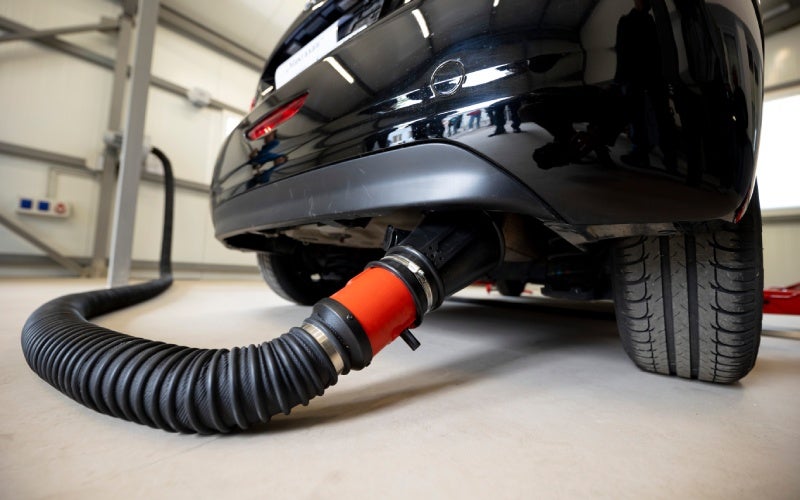
When your vehicle is due for an emissions inspection, readiness monitors and check engine status determine whether you pass on the first try or face a retest. Readiness monitors are self-checks your engine and emissions systems perform over normal driving. If you recently replaced a battery, cleared codes, or performed repairs, those monitors reset and must relearn. The fastest path to a pass is simple: complete a balanced drive cycle before you test. That typically means a mix of steady highway cruising and city stop-and-go, so the powertrain control module confirms proper operation across temperature, speed, and load ranges. If any emissions-related trouble code is active — usually shown by a check engine light — address it prior to your visit.

Because many failures are avoidable, a practical pre-test routine saves time. Start by confirming the check engine light is off, then ensure your gas cap seals firmly to prevent evaporative emissions leaks. Aim for a fuel level between roughly one-quarter and three-quarters full so system checks can be completed as designed. If you just finished repairs, allow several trips for monitors to complete; do not clear codes immediately before your appointment, and avoid disconnecting the battery. Bring your renewal notice or your plate and vehicle details so administrative steps happen quickly after a pass. A few minutes of preparation lead to a cleaner, quicker visit and reduce the chance of a second trip.

  • Check Engine Light: Resolve emissions-related fault codes before testing; an active light commonly prevents a pass.
  • Monitor Completion: Drive both highway and city routes so the system can confirm catalyst, oxygen sensor, and evaporative checks.
  • Fuel Level: Keep the tank between about one-quarter and three-quarters to help evaporative self-tests run.
  • Gas Cap Seal: Tighten until it clicks; replace a worn cap to avoid a leak-related failure.
  • Documentation: Bring your renewal notice or plate/vehicle info to finish registration after a pass.
  • Timing: Test during posted hours and plan for ffirst-come first-served queuing.

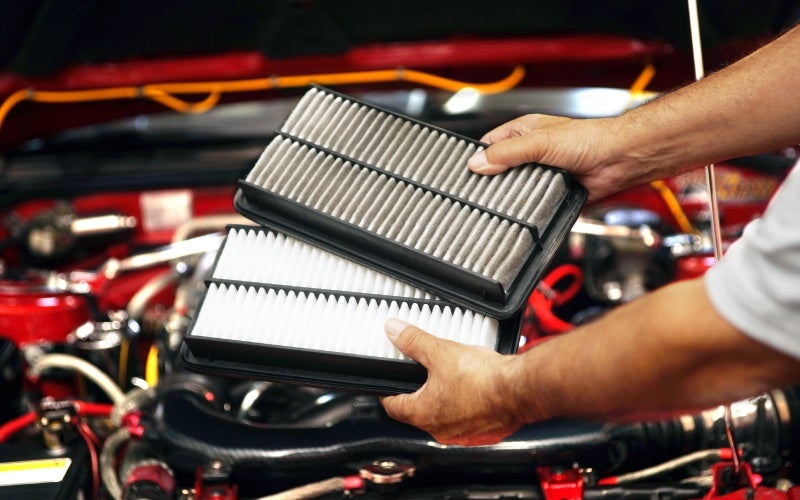
After a failure, use the inspection readout as a roadmap. If monitors are incomplete, prioritize a thorough drive cycle that includes steady speeds, gentle accelerations, a full warm-up, and short idle periods. If you received a code for an oxygen sensor, catalytic efficiency, or evaporative leak, address root causes rather than simply clearing the code; the system will relearn and report the same fault if the issue persists. Consider pairing routine maintenance with your preparation: a clean engine air filter supports proper fuel trim, and new spark plugs at the recommended interval help keep combustion efficient. If you have questions about specific fault codes, bring your notes to your next visit so the staff can point you to the right next steps after the retest.

Sheboygan Quick Lube Plus emphasizes practical guidance and efficient lane flow so you can complete testing and, when eligible, handle registration immediately afterward. Our team prioritizes clarity at every step — from arrival to results. With predictable procedures, courteous staff, and focused pre-test tips, you can approach inspection day with confidence. By preparing your vehicle, confirming monitor completion, and organizing your documents, you will likely move through the line quickly and leave with your compliance checked off and your schedule intact. That is the balance every driver appreciates — a smooth visit and evidence that your vehicle’s emissions systems are doing their job.

Request more information

Posted in:

Recommended Posts

Why Your Vehicle Pulls, Vibrates, or Wears Tires Unevenly near Howards Grove, WI

Why Your Vehicle Pulls, Vibrates, or Wears Tires Unevenly near Howards Grove, WI

Sheboygan Quick Lube Plus - Why Your Vehicle Pulls, Vibrates, or Wears Tires Unevenly near Howards Grove, WI If you live near Howards Grove, WI, and your vehicle has started drifting to one side on Highway 42, vibrating on the way into Sheboygan, or wearing one tire faster than the others, you are probably searching for a practical answer: is it an alignment issue, a tire problem, or something else? At Sheboygan Quick Lube Plus, we help drivers sort out those early warning signs during everyday maintenance visits, including oil changes, tire rotations, alignment checks, air filter service, wiper blade replacement, and 27-point courtesy inspections. Howards Grove drivers often use a mix of local village roads, county routes, and Sheboygan-area streets for commuting, school drop-offs, shopping, and appointments. That kind of driving can expose tires and steering components to repeated turns, stop-and-go traffic, road edges, uneven pavement, and occasional impacts that may not seem serious in the moment. Over time, those small events can change how the tires meet the road. The result may be a vehicle that no longer tracks straight, tires that get noisy, or tread that disappears sooner than expected. The tricky part is that tire wear and alignment symptoms can overlap. A steering wheel that sits slightly off-center may point toward wheel alignment, but low tire pressure can also make the vehicle feel unstable. A vibration at certain speeds may come from tire balance, tire condition, or worn steering and suspension parts. That is why a quick visual check and routine service history matter. When these issues are caught early, drivers near Howards Grove can often avoid more expensive tire replacement and enjoy a smoother, safer drive. Common Warning Signs for Howards Grove Drivers: What Your Vehicle May Be Telling You Your vehicle is designed so the tires roll evenly and maintain consistent contact with the road. When the angle of the wheels changes, or when tires are not rotated regularly, the tread can wear in patterns that make the vehicle harder to control and less efficient. The following are various signs that your vehicle may need service. Vehicle pulls left or right: This can be caused by wheel alignment, uneven tire pressure, tire wear, brake drag, or road crown. Steering wheel is off-center: If the vehicle drives straight but the wheel is crooked, an alignment check is a smart next step. Outer tire edges are worn: This may indicate alignment trouble, underinflation, aggressive cornering, or delayed tire rotation. Inner tire edges are worn: This often points toward camber or toe alignment concerns that should not be ignored. Cupping or scalloped tread appears: This pattern may involve tire balance, suspension wear, or inconsistent tire contact with the road. Vibration at higher speeds: Tire balance, tire damage, wheel issues, or uneven tread can all contribute to vibration. Even if your vehicle still feels manageable, these symptoms deserve attention. Tires are a major safety component, and the tread pattern can reveal problems before the vehicle becomes difficult to drive. If you are regularly traveling from Howards Grove toward Sheboygan for work, errands, or school activities, a small pull or vibration can become more noticeable over repeated trips. Alignment Check vs. Tire Rotation: Which One Do You Need? A tire rotation and an alignment check are related, but they solve different problems. A tire rotation moves tires to different positions on the vehicle so tread wears more evenly over time. Front tires often wear differently than rear tires because they handle steering forces, braking load, and in many vehicles, drive power. Rotating tires helps spread that work across all four tires. An alignment check looks at the angles of the wheels and how those angles compare with the vehicle manufacturer's specifications. If the wheels point too far inward, outward, or lean incorrectly, tires can scrub against the road instead of rolling cleanly. This can shorten tire life and affect how the vehicle steers. For a driver near Howards Grove, an alignment concern might show up after hitting a curb, driving over rough pavement, replacing tires, or noticing persistent uneven wear. Choose a tire rotation when: Your tires are wearing normally, your maintenance interval is due, or you want to help extend tire life. Ask for an alignment check when: The vehicle pulls, the steering wheel is off-center, or tire edges are wearing unevenly. Consider both services when: You have not rotated tires recently and are beginning to see unusual tread patterns. Do not wait when: Tire cords are visible, a tire has a bulge, or the vehicle feels unsafe to control. During our routine maintenance process, we can help identify whether tire wear looks normal or whether an alignment inspection should be considered. If tire replacement is needed, we can also help point you toward the right next step through our main shop resources, depending on the condition of the tires and the vehicle. Why Uneven Tire Wear Matters for More Than Tire Life Uneven tire wear is not just a tire budget issue. It can affect braking, handling, fuel efficiency, and ride comfort. When one portion of the tread is worn more than the rest, the tire may not grip as consistently. That can make the vehicle feel less predictable during turns, lane changes, and braking. On local roads around Howards Grove, where drivers may transition between neighborhood streets, rural roads, and busier Sheboygan routes, predictable handling is important. Fuel efficiency can also be affected. Tires that are underinflated, misaligned, or worn unevenly may create extra rolling resistance. The engine has to work harder to keep the vehicle moving, especially during frequent short trips. While drivers often think about oil changes first when considering efficiency, tires and alignment play a real role in how smoothly the vehicle rolls. Uneven tread can also create road noise. If you hear a humming, chopping, or rhythmic sound that changes with speed, it may be related to tread condition. A tire inspection can help separate normal road noise from a developing issue. That matters because some tire wear patterns continue to get worse even after pressure is corrected, especially if the root cause is alignment or suspension-related. How Oil Change Visits Can Help Catch Tire and Alignment Concerns Early One of the best times to pay attention to tire condition is during a regular oil and filter service. Many people treat oil changes as engine maintenance only, but a well-rounded visit can reveal much more about the vehicle. Our services include a 27-point courtesy inspection, tire pressure checks, and attention to key maintenance items such as engine air filters, cabin air filters, and wiper blades. That gives drivers a broader look at vehicle health without needing to diagnose every symptom alone. If you drive a newer vehicle, your dashboard may show oil life reminders, tire pressure alerts, or service messages. Those systems are helpful, but they do not replace a hands-on look at tread depth, tire condition, and wear pattern. For older vehicles, routine inspection is even more important because steering, suspension, and tire condition can change gradually over time. Tire pressure check: Helps identify underinflation or overinflation that can contribute to uneven wear. Tire condition review: Looks for cracking, low tread, puncture signs, sidewall damage, or abnormal patterns. Rotation discussion: Helps determine whether your tires should be moved to promote more even wear. Alignment inspection recommendation: Helps flag pulling, off-center steering, or tread wear that may need closer attention. Maintenance timing: Connects tire care with oil changes so important checks are less likely to be missed. For busy households near Howards Grove, convenience matters. No-appointment oil change service can make it easier to stay on top of maintenance before small vehicle concerns become bigger interruptions. We are located at 2611 Washington Ave in Sheboygan, which makes our quick lube a practical stop for drivers heading into the city from Howards Grove and nearby communities, including those serving Oostburg, Kiel, and Kohler. What to Check Before You Drive In You do not need to be an automotive expert to gather useful clues before service. A few simple observations can help our team understand what you have noticed and when it happens. Try to pay attention to whether the pull is constant or only happens while braking, whether vibration occurs at a certain speed, and whether the steering wheel feels different than it used to. Look at the tire edges: Compare the inner and outer shoulders of each tire for uneven wear. Note when symptoms happen: Vibration at 35 mph may suggest something different than vibration at highway speed. Check the steering wheel position: A wheel that sits crooked while driving straight is worth mentioning. Watch for pressure alerts: A tire pressure warning can be tied to leaks, temperature changes, or sensor concerns. Remember recent impacts: Curb contact, potholes, or rough road edges can contribute to alignment changes. These details help narrow down the possibilities. For example, a vehicle that pulls only when braking may need a different type of inspection than one that pulls all the time. A vibration that appeared after a tire impact may suggest tire or wheel damage. The more specific you can be, the easier it is to decide whether a tire rotation, alignment check, or additional inspection makes sense. Frequently Asked Questions: How often should I rotate my tires if I drive mostly around Howards Grove and Sheboygan? Many vehicles benefit from tire rotation around the same general interval as oil change service, but the right timing depends on the vehicle, tire type, drivetrain, and driving habits. If your front and rear tires are wearing differently, a rotation schedule can help even things out. Can bad alignment ruin new tires? Yes. If alignment angles are outside specification, new tires can begin wearing unevenly very quickly. If your old tires showed inner-edge wear, outer-edge wear, or feathering, it is wise to ask about an alignment check before assuming new tires alone will solve the issue. Is a slight pull always an alignment problem? No. A slight pull can come from alignment, tire pressure differences, tire construction, uneven tread wear, brake concerns, or even road slope. That is why tire pressure and tire condition should be checked before jumping to one answer. Why does my steering wheel shake even though my tires still have tread? Tread depth is only one part of tire condition. A shake may come from tire balance, uneven wear, a bent wheel, tire damage, or worn suspension components. If the shake is new or getting worse, it should be checked. Do I need an appointment for an oil change and basic maintenance checks? No appointment is necessary for many quick lube services, though wait times can vary because service is often handled first come, first served. If you prefer a specific date and time, scheduling may also be available. When your vehicle pulls, vibrates, or wears tires unevenly, it is worth taking action before the problem shortens tire life or affects the way the vehicle handles. A routine service visit can give you a clearer picture of your tires, oil, filters, wipers, and overall maintenance needs. For drivers near Howards Grove, that kind of proactive care helps keep daily trips smoother, safer, and more predictable. Request more information

Where to Get Emissions Testing and Quick Maintenance near Cedar Grove, WI

Where to Get Emissions Testing and Quick Maintenance near Cedar Grove, WI

Sheboygan Quick Lube Plus - Where to Get Emissions Testing and Quick Maintenance near Cedar Grove, WI If you live in Cedar Grove and need Wisconsin emissions testing, an oil change, or a quick maintenance check without turning it into a complicated errand, the right plan can save a lot of time. Cedar Grove drivers often travel north toward Sheboygan for work, shopping, school activities, or appointments, so combining vehicle needs into one convenient stop makes sense. At Sheboygan Quick Lube Plus, we help local drivers take care of essential services efficiently, with no appointment necessary for many quick lube needs and emissions testing handled on a first-come, first-served basis. For Cedar Grove residents, the drive to our location at 2611 Washington Ave in Sheboygan is straightforward, especially for anyone already using I-43, County Road LL, or local routes through Oostburg and Kohler. Whether your vehicle is due for a Wisconsin Vehicle Inspection Program emissions test, your oil life monitor is getting low, or your windshield wipers are starting to streak, our shop is built around practical maintenance that helps you get back on the road with confidence. We are also serving Sheboygan, Sheboygan Falls, and Plymouth, along with surrounding communities that rely on dependable daily transportation. Why Cedar Grove Drivers Search for Emissions Testing Near Sheboygan Emissions testing is not something most drivers think about until a registration renewal notice arrives. Once that happens, the priority becomes finding a testing site that is close enough, easy to access, and clear about how the process works. Our emissions testing is part of the Wisconsin Vehicle Inspection Program, which includes state-mandated emissions testing and registration renewal support. For drivers near Cedar Grove, this can be especially useful because it keeps the process close to home without requiring a long trip to a larger metro area. Emissions testing hours are Monday through Friday from 8:00 AM until 4:30 PM, with testing closed on Saturday and Sunday. No appointment is necessary for emissions testing. Drivers can drive up to the far left lane, and service is handled first come, first served. What to Check Before an Emissions Test A little preparation can reduce the chance of an avoidable delay. Most emissions visits are simple, but warning lights, incomplete readiness monitors, or registration paperwork questions can slow things down. Before leaving Cedar Grove, take a minute to review your vehicle and your renewal information. Check your renewal notice: Bring any registration renewal paperwork or information connected to your emissions requirement. Look for a check engine light: If the light is on, your vehicle may not pass until the underlying issue is diagnosed and repaired. Confirm recent battery work: If your battery was disconnected or replaced recently, readiness monitors may need drive time before testing. Plan around testing hours: Emissions testing is available Monday through Friday from 8:00 AM to 4:30 PM. Use the far left lane: Our emissions testing lane is set up for drive-up service on a first-come, first-served basis. If your vehicle recently had repairs, a dead battery, or a cleared diagnostic code, it may need a mix of city and highway driving before the onboard computer is ready for inspection. Cedar Grove drivers who regularly travel toward Sheboygan, Oostburg, or Port Washington may naturally complete this drive cycle during normal commuting, but it is still worth checking before making a special trip. Pairing Emissions Testing With an Oil Change or Filter Check Many Cedar Grove drivers prefer to handle more than one vehicle task during the same trip. If you are already heading to Sheboygan for emissions testing, it may be a good time to think about oil condition, tire pressure, air filters, or wiper performance. Our quick lube services are designed for any make or model, and we provide conventional, semi-synthetic, full synthetic, and diesel oil options based on what your vehicle needs. Oil changes are one of the most important maintenance items for engine health. Clean oil helps lubricate moving engine parts, reduce friction, carry away contaminants, and support long-term performance. Over time, oil collects dirt, dust, and debris, especially in vehicles used for short trips, daily commuting, errands, and mixed local driving. If your driving routine includes stops in Cedar Grove, trips to Sheboygan, and highway miles on I-43, your oil change interval should follow your vehicle's recommended schedule and the oil type being used. Our oil change service also includes a 27-point courtesy vehicle inspection. This review helps identify maintenance needs early by checking major systems and common wear items. For drivers who want a better sense of overall vehicle condition without scheduling a separate inspection appointment, this can be a helpful part of routine service. Maintenance Items Worth Checking During the Same Visit Vehicle maintenance is not always about one major repair. Often, safe and reliable driving depends on small items that gradually wear out. Around Cedar Grove, vehicles commonly handle neighborhood driving, rural roads, highway speeds, and trips into Sheboygan County communities. That mix makes tires, filters, wipers, and fluids worth monitoring regularly. Engine air filter: A clean engine air filter helps keep debris out of the engine, supports fuel efficiency, and helps the engine breathe properly. Cabin air filter: A clean cabin air filter supports airflow through the heating and air conditioning system and helps keep cabin air cleaner. Wiper blades: Dry, cracked, or streaking blades can reduce visibility, and replacement can usually be handled quickly when needed. Tire rotation: Rotating tires promotes more even tread wear and can help reduce uneven rolling resistance. Alignment inspection: An alignment check can help identify issues that may cause uneven tire wear or steering pull. Tire pressure check: Proper inflation supports handling, tire life, and fuel efficiency. These items are especially easy to overlook because your vehicle may still feel normal during short drives. A cabin air filter may restrict airflow gradually. A tire may lose pressure slowly. Wipers may only seem worn once visibility becomes a problem. By checking these areas during a quick lube visit, you can make informed decisions before a small issue becomes more inconvenient. How Often Should Cedar Grove Drivers Change Oil? Oil change timing depends on your specific vehicle, oil type, mileage, and driving habits. Some vehicles may need service around 3 months or 3,000 miles, while others using full synthetic oil may be designed for longer intervals, sometimes up to 1 year or 10,000 miles. The best answer comes from your owner's manual, your oil life monitoring system, and recommendations based on make, model, mileage, and engine type. Cedar Grove drivers who take frequent short trips may place different demands on engine oil than drivers who spend more time at steady highway speeds. Short trips may not always allow the engine to fully warm up, while highway driving can add mileage quickly. If your vehicle is used for commuting, family errands, school activities, and weekend travel, it is worth asking our technicians what interval best fits your actual driving pattern. A Simple Visit Plan From Cedar Grove A little planning helps make your visit as efficient as possible, especially if you want emissions testing and quick maintenance handled during the same trip. Confirm your goal: Decide whether you need emissions testing, an oil change, filter service, wiper blades, tire rotation, or a general maintenance check. Check the correct hours: Quick lube service hours differ from emissions testing hours, so review timing before leaving Cedar Grove. Bring needed information: For emissions testing, bring registration renewal details or any notice related to your requirement. Watch your dashboard: Make note of warning lights, oil life messages, tire pressure alerts, or unusual vehicle behavior. Ask about your maintenance interval: Our team can help identify the correct oil and service timing for your make, model, and mileage. Quick lube hours are Monday through Friday from 7:00 AM to 6:00 PM and Saturday from 7:00 AM to 3:00 PM, with Sunday closed. Emissions testing runs Monday through Friday from 8:00 AM to 4:30 PM and is closed on weekends. If you are trying to complete emissions testing and quick maintenance in one visit, weekday planning is usually the best fit. Frequently Asked Questions: Do I need an appointment for emissions testing near Cedar Grove, WI? No appointment is necessary for emissions testing. Drive up to the far left lane during emissions testing hours, and service is handled first come, first served. Can I get an oil change for any make or model? Yes. Our quick lube team services all makes and models and carries conventional, semi-synthetic, full synthetic, and diesel oil options. The correct oil is selected based on your vehicle's needs. How long does an oil change usually take? A standard oil change often takes about 30 minutes to an hour, depending on the vehicle, wait time, and any added services. Many services are first come, first served. What is included with the 27-point inspection? The inspection reviews major systems and common maintenance areas such as fluids, air filter, battery, tire pressure, tire condition, brake lines, hoses, and other important items. Where is the shop located if I am driving from Cedar Grove? Our shop is located at 2611 Washington Ave in Sheboygan, WI 53081. Cedar Grove drivers can call 920-803-3534 with questions before making the trip. Whether you need a required emissions test, a routine oil change, or a quick look at filters, wipers, tire pressure, and alignment, planning ahead makes the visit easier. For Cedar Grove drivers, our Washington Ave location offers a practical stop for essential maintenance without making vehicle care more complicated than necessary. Request more information

Understanding 27-Point Courtesy Inspections for Sheboygan, WI Drivers

Understanding 27-Point Courtesy Inspections for Sheboygan, WI Drivers

Sheboygan Quick Lube Plus - Understanding 27-Point Courtesy Inspections for Sheboygan, WI Drivers A 27-point courtesy inspection can make a routine oil change much more valuable because it gives drivers a broader view of vehicle condition during a visit already planned for maintenance. Many people think of an oil change as a single task: drain old oil, replace the filter, refill the engine, and leave. While that core service is important, the inspection that happens alongside it can help identify tire concerns, fluid issues, air filter restriction, battery weakness, worn wiper blades, or other items that may affect safety, comfort, and reliability. For drivers moving between neighborhoods, schools, workplaces, lakefront destinations, and regional highways, those small checks can provide helpful peace of mind. At Sheboygan Quick Lube Plus, our 27-point courtesy inspection is designed to support practical decision-making rather than create confusion. The goal is to keep customers informed about the current vehicle condition and help prioritize maintenance based on need. Some inspection findings may simply confirm that everything looks good. Others may show that an item should be watched for the next visit. In certain cases, a technician may identify a concern that deserves more immediate attention. This approach gives drivers useful information without requiring a separate diagnostic visit for every basic maintenance question. It also supports better service planning for families, commuters, and anyone managing a busy schedule in Sheboygan. What a Courtesy Inspection Typically Reviews A good courtesy inspection focuses on systems that commonly affect vehicle reliability, safety, and daily drivability. During service, technicians may review fluid levels, fluid condition, tire pressure, tire condition, visible brake lines and hoses, air filter condition, battery condition, wiper blade wear, lights, and other accessible components. This type of review is not meant to replace an in-depth repair diagnosis, but it is a valuable early-warning tool. For example, low tire pressure may reduce fuel efficiency and cause uneven wear. A clogged engine air filter can reduce airflow into the engine. A dirty cabin air filter may restrict ventilation. Worn wiper blades can leave streaks that make visibility more difficult. Catching those items during regular maintenance can help drivers respond before a minor issue becomes more disruptive. Tires: Pressure, visible tread condition, and signs of uneven wear can point to rotation or alignment needs. Fluids: Oil, coolant, washer fluid, brake fluid, and other accessible fluids may provide clues about overall maintenance condition. Filters: Engine and cabin air filters can affect performance, airflow, comfort, and system protection. Battery: A basic review can help identify corrosion, weak connections, or signs that further testing may be wise. Wipers: Dry, cracked, streaking, or skipping blades can be replaced quickly when needed. Brake-related components: Visible brake lines and hoses can be checked for obvious wear or concerns. Why Inspections Matter During an Oil Change Oil changes happen on a regular rhythm, which makes service visits a smart time to review other wear items. Vehicle maintenance is easier when drivers do not have to remember every interval separately. By pairing oil service with a courtesy inspection, the service team can help connect the dots between mileage, driving habits, visible wear, and manufacturer recommendations. A driver who uses a vehicle for short local trips may experience different maintenance needs than a driver who spends more time on the highway. Likewise, vehicles used for family transportation, work errands, or frequent regional travel may show wear in different areas. The inspection provides a snapshot that helps drivers understand those patterns. Another benefit is documentation and consistency. When technicians check similar items during recurring visits, changes can be easier to spot. A tire that looked normal during a previous oil change but now shows uneven wear may point to an alignment concern. A cabin air filter that was clean months ago may now appear restricted. Wiper blades that were fine at the last visit may begin to crack or chatter. These updates help drivers make measured decisions instead of reacting only when something fails or becomes inconvenient. How Drivers Can Use Inspection Results The best way to use a courtesy inspection is to ask questions and prioritize. Not every recommendation has the same level of urgency. Some items may be routine maintenance, some may be comfort-related, and some may affect safety or vehicle reliability. If a technician notes that tire pressure was adjusted, that may simply be useful information. If uneven tread wear is found, a rotation or alignment check may be worth considering. If a filter is dirty, replacement may support better airflow or engine protection. If a fluid appears low or discolored, a deeper look may be needed depending on the system involved. Review the findings: Ask what was checked and whether anything has changed since the last visit. Separate urgent from routine: Focus first on items tied to safety, reliability, or worsening wear. Plan upcoming maintenance: Use inspection notes to budget time for future service without waiting for a breakdown. Track recurring concerns: Repeated low fluid, uneven tire wear, or frequent wiper issues may deserve closer review. Local Driving Conditions and Inspection Value Sheboygan area drivers often deal with a mix of city streets, arterial roads, neighborhood routes, and highway access. That blend can influence how a vehicle ages. Frequent stopping can increase demands on brakes and fluids. Short trips can affect oil condition and battery performance. Highway travel can create steady tire wear and place importance on alignment, balance, and tire pressure. Local errands may also mean more frequent cabin airflow use, making cabin filter condition more noticeable during everyday driving. Because no two driving patterns are identical, regular inspections help tailor maintenance conversations to actual use rather than broad assumptions. A courtesy inspection also helps simplify ownership for drivers who are not sure what to check between service visits. Many customers can recognize obvious issues, such as a warning light or a flat tire, but less visible wear can be harder to evaluate. Having trained technicians look over common maintenance points during oil service adds an extra layer of awareness. The result is not just a cleaner oil system; it is a more complete understanding of how the vehicle is holding up. Frequently Asked Questions: Is a 27-point inspection the same as a full diagnostic? No. A courtesy inspection is a visual and basic maintenance review of key items. A full diagnostic is more detailed and may require specialized testing when a specific symptom, warning light, or performance concern is present. Can an inspection help prevent expensive repairs? It can help by identifying visible wear, low fluids, tire concerns, or filter restrictions earlier. Early awareness gives drivers a better chance to handle maintenance before related parts are affected. Should I ask about inspection results after every oil change? Yes. Asking for a quick review helps you understand the vehicle's condition, upcoming maintenance needs, and any items worth monitoring before the next visit. A 27-point courtesy inspection is one of the simplest ways to make routine maintenance more informative. Instead of leaving with only fresh oil, drivers can leave with a clearer understanding of tires, filters, fluids, wipers, battery condition, and other everyday service items. That information supports safer decisions, better planning, and more confidence behind the wheel. When combined with consistent oil changes and practical recommendations, the inspection becomes a smart habit for keeping a vehicle dependable mile after mile. Request more information