
Sheboygan Quick Lube Plus

Providing Quality Oil Change Service for Any Make or Model!

Blog

All Vehicle Service Oil Change Service Emissions Testing Alignment Emissions Service Parts
wipers-2
in Service Parts

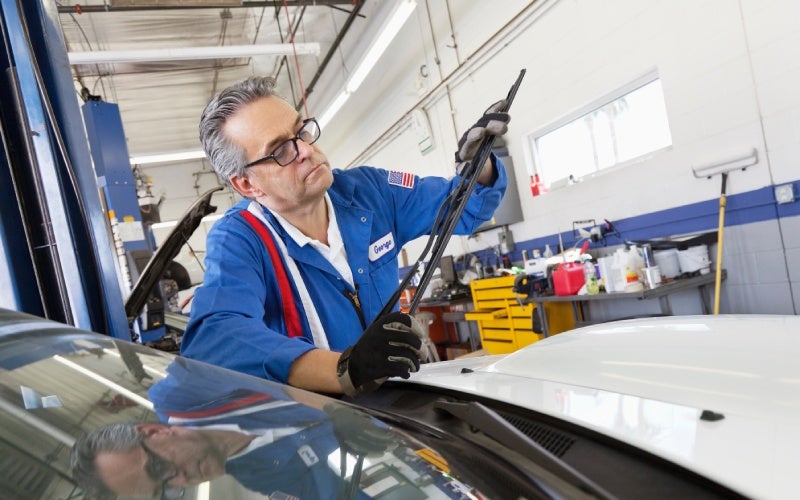
Why Wiper Blades Matter More Than Many Sheboygan Falls, WI Drivers Realize

Sheboygan Quick Lube Plus - Why Wiper Blades Matter More Than Many Sheboygan Falls, WI Drivers Realize Wiper blades are easy to overlook until visibility becomes a problem. For drivers around Sheboygan Falls, WI, clear glass matters on everyday routes such as Highway 23, County Road PP, school drop-off lanes, industrial park commutes, and weekend drives toward Sheboygan or Plymouth. Even when road conditions are otherwise normal, worn wipers can leave streaks, chatter across the windshield, skip over sections of glass, or fail to clear road spray. That creates eye strain and can make it harder to see lane markings, brake lights, pedestrians, cyclists, or turning traffic. Because blades are exposed to sun, moisture, grit, road debris, and repeated use, the rubber naturally breaks down over time. A blade can look acceptable at first glance but still perform poorly when you need it most. That is why having wiper blades inspected during regular maintenance is a practical habit, not just a reaction to poor visibility. At Sheboygan Quick Lube Plus, we inspect wiper blades as part of service and can replace dry, cracked blades with quality blades in just minutes when needed. This is especially helpful for drivers who already plan to stop in for an oil change, tire pressure check, air filter review, cabin air filter service, or a 27-point courtesy inspection. Instead of making a separate trip or waiting until streaking becomes frustrating, you can address the issue during the same visit. Our approach is designed around convenience and safety, with no appointment necessary for many quick lube services. For busy households in Sheboygan Falls, that kind of simple maintenance can help keep daily transportation dependable without adding another complicated task to the calendar. Signs Your Wiper Blades Should Be Replaced Streaking: Lines or smears remain on the windshield after each pass, even when washer fluid is used. Skipping: The blade jumps across the glass instead of maintaining steady contact. Chattering: A noisy vibration occurs as the wiper moves, often because the rubber edge has hardened or warped. Splitting: Visible cracks, tears, or separated rubber show that the blade can no longer clear the windshield properly. Poor edge contact: Parts of the blade miss the glass, leaving wet patches directly in your field of view. These symptoms usually develop gradually. A driver may adjust by leaning forward, increasing wiper speed, or using extra washer fluid, but those are temporary workarounds rather than solutions. If the blade edge is damaged, it cannot properly sweep the windshield no matter how often it is activated. Drivers in Sheboygan Falls often move between small-city streets, rural roads, and busier corridors leading into Sheboygan, and each setting can put different debris on the windshield. Dust, tree pollen, road film, and fine grit can all reduce wiping quality. Replacing worn blades helps restore a clean sweep and can also reduce unnecessary strain on the wiper system because the blades move more smoothly across the glass. Why Wiper Checks Pair Well With Routine Maintenance Wiper blade replacement is one of the simplest vehicle services to combine with regular maintenance. When you visit for an oil change, technicians are already reviewing important items that support safe and reliable driving. Sheboygan Quick Lube Plus provides oil changes for any make or model and carries traditional oil types including conventional and full synthetic, with recommendations based on make, model, and mileage. Service also includes a 27-point courtesy inspection, tire pressure check, and a car wash if wanted. That inspection process can include major systems, fluids, air filter, battery, tire pressure, tire condition, brake lines, hoses, and related items. Adding a wiper blade check fits naturally into that broader review. This matters because vehicle maintenance is easier to manage when small needs are identified early. Many drivers remember oil changes because mileage reminders or dashboard alerts prompt action. Wiper blades, cabin air filters, and engine air filters may not provide the same obvious reminder, even though each affects comfort, performance, visibility, or efficiency. By grouping these inspections together, you reduce the chance of forgetting a maintenance item until it becomes inconvenient. If your current blades are still in good condition, you can keep driving with confidence. If the blades are dry, cracked, or leaving streaks, replacement can usually be handled quickly so you leave with a clearer windshield and fewer distractions on the road. Choosing Practical Vehicle Care Near Sheboygan Falls Drivers searching for wiper blade replacement near Sheboygan Falls, WI are often looking for a quick answer: can the blades be checked today, can replacement be handled without hassle, and can it be done while other service is completed? Our quick lube process is built for that type of need. We serve Sheboygan and surrounding communities, and whether your vehicle was purchased from Sheboygan Auto Group or elsewhere, you are welcome to visit for quality service. No appointment is necessary for many services, and scheduling is available for drivers who prefer a planned time. That flexibility helps commuters, parents, students, and local business owners keep vehicles ready for the road. Good wiper blades are not just about comfort. They support safer decision-making by keeping your view clear during changing road conditions, early morning condensation, washer fluid use, and normal roadway spray. If you notice streaks, squeaks, missed areas, or rough blade movement, it is worth having the blades inspected instead of waiting for visibility to worsen. Sheboygan Quick Lube Plus can help with wiper blades, oil changes, tire rotations, alignment checks, engine air filters, cabin air filters, and multi-point inspections, all with a focus on making maintenance convenient and seamless. When your vehicle needs attention, stop in and let our skilled technicians help you get back on the road with confidence. Request more information

Read More
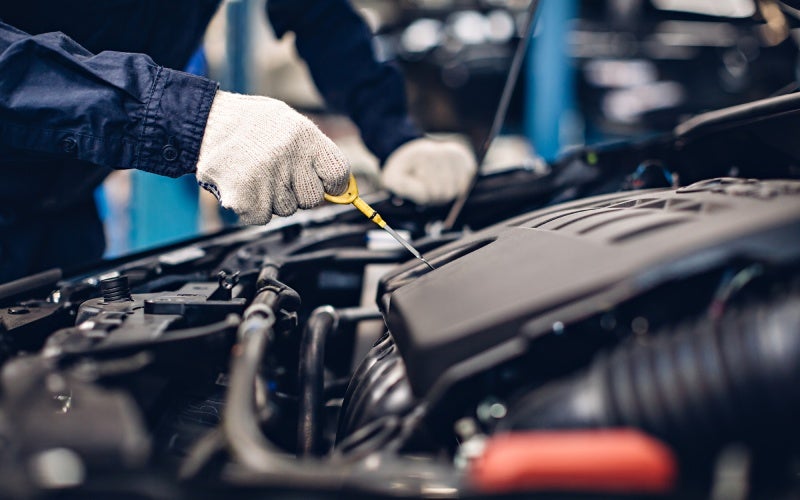
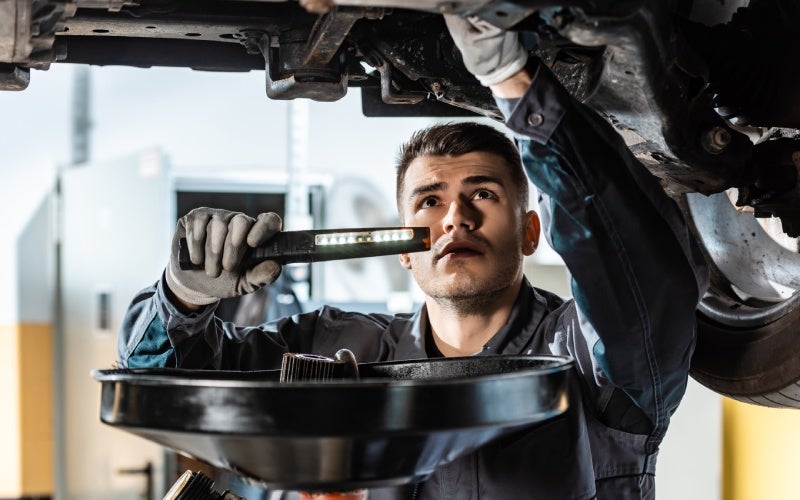
oil-change-2

Oil Change and Tire Wear Checkpoints for Daily Driving near Kohler, WI

Sheboygan Quick Lube Plus - Oil Change and Tire Wear Checkpoints for Daily Driving near Kohler, WI If you live or work near Kohler, WI, your vehicle probably does a mix of short local trips, quick errands around the village, commutes into Sheboygan, and highway driving on nearby routes like I-43 or WI-23. That kind of driving can be harder on oil, tires, filters, and fluids than many drivers realize. Short trips may not always give the engine enough time to fully warm up, while highway miles can add wear steadily in the background. At Sheboygan Quick Lube Plus, we help drivers stay ahead of those small maintenance needs before those needs turn into bigger concerns. Our quick lube facility at 2611 Washington Ave in Sheboygan is convenient for Kohler-area drivers who want service without rearranging an entire day. No appointment is necessary for many quick lube services, so you can drive in when it fits your schedule. We service any make or model and provide oil changes, tire rotations, alignment checks, engine air filters, cabin air filters, wiper blades, emissions testing, and a 27-point courtesy inspection with service. For drivers searching for an oil change near Kohler, WI, the real value is not just fresh oil - it is having several important checkpoints reviewed during the same visit. Why Kohler-Area Driving Makes Routine Maintenance Important Kohler is close enough to Sheboygan that many drivers move between residential streets, business areas, school routes, shopping stops, and highway ramps in a single day. That stop-and-go rhythm can put repeated demand on engine oil, tires, brakes, and the battery. Even if you do not put on extremely high mileage, time and driving style still matter. Oil gradually collects contaminants, tires wear based on alignment and rotation habits, and filters become less effective as dust and debris build up. A common mistake is waiting until a dashboard light appears or a noise becomes obvious. Preventive maintenance is usually simpler when handled at regular intervals. During an oil change visit, our team can check tire pressure, look at tire condition, inspect major systems, and let you know if something deserves attention. This is especially helpful for drivers who split time between Kohler, Sheboygan Falls, Plymouth, and Sheboygan, where daily routes can include both city streets and faster county or state roads. Oil Change Choices: What Should You Use? Different engines have different oil requirements, and modern vehicles are often very specific about viscosity and oil type. At Sheboygan Quick Lube Plus, we provide conventional, semi-synthetic, full synthetic, and diesel oil options. Our technicians use the correct oil for your vehicle and can make recommendations based on make, model, mileage, and manufacturer guidance. If you are not sure whether your vehicle needs full synthetic or another oil type, we can help you confirm the right fit. Conventional oil: A traditional option for certain vehicles with manufacturer approval and appropriate maintenance intervals. Semi-synthetic oil: A blended option that may suit drivers looking for added protection compared with conventional oil. Full synthetic oil: A common choice for many newer vehicles and engines designed for enhanced protection and performance. Diesel oil: Formulated for diesel engines that require the correct oil specification for durability and proper operation. How often should you change your oil? The answer depends on the vehicle and the oil used. Some vehicles may need service around 3 months or 3,000 miles, while others may go closer to 1 year or 10,000 miles under the right conditions. If you are unsure, our team can help identify the recommendation that fits your vehicle instead of relying on a one-size-fits-all answer. Tire Rotation and Alignment Checks Help Protect Your Tread Oil changes get most of the attention, but tires deserve regular inspection too. If your commute from Kohler includes turning through neighborhood streets, merging onto the highway, parking frequently, or driving roads with uneven surfaces, your tires may not wear evenly from front to back. Tire rotation helps promote more uniform tread wear, which can support ride quality, traction, and fuel efficiency. Alignment is another key piece of the tire wear picture. Proper alignment helps all four tires make consistent contact with the road. When wheels are out of alignment, you may notice pulling, vibration, a crooked steering wheel, or rapid wear on one edge of a tire. Even slight misalignment can shorten tire life over time. At Sheboygan Quick Lube Plus, oil change service can include an alignment inspection, giving Kohler-area drivers a convenient way to check for warning signs before tire wear becomes severe. Pulling to one side: Your vehicle may drift left or right even when the steering wheel is held steady. Uneven tread wear: One tire or one edge of a tire may look more worn than the others. Steering wheel vibration: Shaking at certain speeds can point to tire, balance, or alignment concerns. Crooked steering wheel: The wheel may sit off-center while driving straight. Lower fuel efficiency: Increased rolling resistance from tire issues can affect how efficiently the vehicle moves. Filters, Wipers, and Visibility Checks During the Same Visit A quick maintenance visit is also a good time to check your engine air filter, cabin air filter, and wiper blades. The engine air filter helps prevent particles from entering the engine, which can support performance, fuel efficiency, engine life, and emissions control. If the filter is dirty or restricted, the engine may not breathe as efficiently as intended. The cabin air filter is different. It helps with airflow through the heating, ventilation, and air conditioning system and supports cleaner air inside the cabin. If airflow from the vents seems weaker than usual, if odors linger, or if the windows take longer to clear, the cabin air filter may be worth checking. Wiper blades matter too, especially for clear visibility during rain, road spray, and everyday windshield debris. Our team can inspect wiper blades and replace dry or cracked blades with quality blades in just minutes when needed. What the 27-Point Courtesy Inspection Adds to an Oil Change One of the biggest advantages of visiting Sheboygan Quick Lube Plus is that service includes a 27-point courtesy vehicle inspection. This inspection is designed to review major systems and keep you informed about changes or potential issues. It does not replace every type of diagnostic service, but it gives drivers a helpful maintenance snapshot during a routine visit. Fluids: Key vehicle fluids are reviewed so low or concerning levels can be brought to your attention. Air filter: The engine air filter is checked for dirt, restriction, or replacement needs. Battery: Battery condition is reviewed as part of the broader inspection process. Tire pressure: Tire pressure is checked because proper inflation affects safety, wear, and efficiency. Tire condition: Tread condition and visible tire concerns are reviewed during service. Brake lines and hoses: Important brake-related components are included among the inspection items. For Kohler drivers who are busy with work, family, errands, or appointments in Sheboygan County, this type of inspection can make maintenance more efficient. Instead of making separate stops for every concern, you can have several key items reviewed while your oil and filter service is completed. Emissions Testing for Kohler-Area Drivers Sheboygan Quick Lube Plus also provides Wisconsin emissions testing at our quick lube building. Emissions testing is available Monday through Friday from 8:00 AM until 4:30 PM, and no appointment is necessary. Drivers can use the far left lane, with testing handled on a first come, first served basis. If you need a required Wisconsin Vehicle Inspection Program test or registration renewal support, our location is convenient for Kohler, Sheboygan, Sheboygan Falls, and surrounding communities. If your vehicle recently had a dead battery, certain repairs, or a check engine light, it may be helpful to ask about readiness before testing. Some vehicles need to complete a drive cycle before emissions monitors are ready. Our team can help you understand the process so your visit is as smooth as possible. Simple Maintenance Plan for Drivers near Kohler, WI Check your oil change interval: Use your vehicle recommendation, oil type, mileage, and driving habits to decide when service is due. Rotate tires regularly: Tire rotations help even out tread wear and may improve long-term tire value. Ask for tire pressure checks: Proper inflation supports handling, tread life, and fuel efficiency. Review alignment symptoms: Pulling, vibration, and uneven wear can all signal the need for an alignment inspection. Inspect filters and wipers: Engine air filters, cabin air filters, and wiper blades all affect daily drivability. Use the 27-point inspection: A routine oil change is an efficient time to catch maintenance items early. Frequently Asked Questions: Do I need an appointment for an oil change near Kohler, WI? No appointment is necessary for many quick lube services at Sheboygan Quick Lube Plus. You can drive in for service, and we work to make the process convenient and efficient. How long does an oil change usually take? A standard oil change can take about 30 minutes to an hour depending on the vehicle and any added services. Because many services are first come, first served, wait times can vary. Can Sheboygan Quick Lube Plus service my vehicle if I did not buy it there? Yes. Whether you purchased your vehicle from Sheboygan Auto Group or somewhere else, you are welcome at Sheboygan Quick Lube Plus. We service any make or model. What is included with service? Service includes a thorough 27-point courtesy inspection, tire pressure check, and a car wash if wanted. Oil changes may also include tire rotation and alignment inspection as part of the service experience. Where is Sheboygan Quick Lube Plus located? We are located at 2611 Washington Ave, Sheboygan, WI 53081. Our location is a practical stop for drivers coming from Kohler, Sheboygan Falls, Plymouth, Howards Grove, Oostburg, Kiel, Cedar Grove, and nearby areas. When is emissions testing available? Wisconsin emissions testing is available Monday through Friday from 8:00 AM until 4:30 PM. Testing is closed Saturday and Sunday, and no appointment is necessary. For drivers near Kohler, WI, routine maintenance does not need to be complicated. A timely oil change, tire rotation, alignment inspection, filter check, and 27-point courtesy inspection can help you keep your vehicle safer, cleaner, and better prepared for daily driving. At Sheboygan Quick Lube Plus, our goal is to make vehicle maintenance convenient, thorough, and customer-focused so you can get back on the road with confidence. Request more information
engine-air-filter-1

Cabin Air Filter Timing for Kohler, WI Commutes

Sheboygan Quick Lube Plus - Cabin Air Filter Timing for Kohler, WI Commutes Why Cabin Air Filter Timing Matters for Kohler Drivers For many drivers in Kohler, WI, vehicle maintenance is shaped by short commutes, errands into Sheboygan, school activities, work routes, and regular travel along local roads such as County Road PP, Greenfield Avenue, and nearby I-43 access points. Those trips may not always add mileage quickly, but the cabin air filter can still collect dust, pollen, road grit, leaves, and fine debris every time the heating or cooling system pulls outside air into the vehicle. Because the cabin filter works quietly in the background, it is easy to forget until the vents feel weaker, the cabin smells stale, or the windshield takes longer to clear. That is why checking the cabin air filter during routine service is a smart habit. A cabin air filter is different from an engine air filter. The engine filter protects the engine intake, while the cabin filter supports the air you feel through the vents. When it becomes clogged, airflow may decrease even if the blower motor is running properly. Drivers may turn the fan higher to compensate, but that does not solve the restriction. A quick inspection can show whether the filter is still serviceable or packed with debris. At Sheboygan Quick Lube Plus, we can review cabin filter condition alongside oil changes, tire pressure checks, wiper blade inspections, and a 27-point courtesy inspection, helping busy drivers handle several routine maintenance questions in one visit. Signs Your Cabin Air Filter May Be Overdue Cabin filter symptoms often appear gradually. A vehicle may still heat and cool, but the system may not feel as strong as it used to. This can be especially noticeable during repeated short trips, when the HVAC system does not have much time to move air through the cabin. Local drivers who park near trees, drive through construction areas, or spend time on rural roads outside Kohler may see filter buildup sooner than expected. Instead of guessing, a visual check can give a clear answer. Reduced airflow: The fan setting is high, but air from the vents feels weak or uneven. Dusty interior: Fine dust returns quickly on the dash, vents, or center console. Stale odor: Air smells musty, dusty, or unpleasant when the system first turns on. Longer glass clearing: Restricted airflow can slow windshield defogging or defrosting performance. Unknown service history: If you do not remember the last cabin filter check, inspection is a good next step. These signs do not always mean the filter is the only issue, but the filter is one of the simplest places to start. A clogged filter can reduce comfort and place extra demand on HVAC airflow. A clean filter helps the system move air more efficiently and supports a better cabin environment for daily drives. For families, commuters, and anyone who spends time carrying passengers, that comfort matters. How Cabin Filter Checks Fit Into Routine Maintenance One reason cabin filter care gets overlooked is that it does not always appear urgent. Oil changes, tire rotations, alignment checks, and emissions testing feel more visible because drivers connect those services with engine life, tire wear, safety, or registration needs. Cabin air quality may seem secondary, but it plays a real role in everyday comfort. During an oil change visit, asking for the cabin air filter to be checked can be an efficient way to stay ahead of ventilation problems without scheduling a separate service stop. Our quick lube services are designed around convenience for any make or model. We provide conventional, semi-synthetic, full synthetic, and diesel oil changes, and routine service includes helpful checks such as tire pressure and a review of major systems. If a cabin filter inspection shows heavy debris, replacement may be recommended. If the filter still looks clean, you can continue driving with more confidence and revisit the item later. Either way, the value is clarity. Vehicle owners can make maintenance decisions based on actual condition rather than guesswork. Local Driving Conditions That Can Shorten Filter Life Kohler is close to a mix of road environments, and that variety can influence cabin filter life. A driver might start on neighborhood streets, move through Sheboygan-area traffic, park near landscaped areas, and then travel along faster roads in a single day. Each setting creates different airflow demands and debris exposure. Pollen, grass clippings, road dust, and small leaves can collect near the fresh-air intake. Over time, that material can reduce the filter’s ability to pass air through the HVAC system. Drivers who make frequent short trips may also notice cabin comfort issues sooner because the system cycles often. Every start, stop, and fan adjustment moves air through the filter. If the filter is already restricted, the vehicle may feel slow to warm, cool, or ventilate. This is not limited to older vehicles. Newer models also rely on clean filters to support airflow through complex climate control systems. A simple inspection helps protect comfort regardless of whether you drive a compact car, SUV, minivan, pickup, hybrid, or diesel vehicle. Frequently Asked Questions: Can I wait until I smell an odor before replacing the cabin air filter? You can, but odor is usually a late sign. It is better to check the filter during regular maintenance so buildup can be found before airflow and comfort decline. Does a cabin air filter affect air conditioning? Yes. The filter does not create cold air, but it can restrict the amount of air moving through the vents. A clean filter helps the HVAC system deliver airflow more effectively. Is cabin filter replacement useful if I mostly drive around Kohler? Yes. Low-mileage and short-trip driving can still expose the filter to dust, pollen, leaves, and local road debris. Time and driving environment both matter. Make Cabin Comfort Part of Your Next Service Visit If your vents feel weak, the cabin seems dusty, or you are unsure when the filter was last checked, add cabin air filter service to your next maintenance visit. It is a practical step that supports airflow, passenger comfort, and HVAC performance without complicating your schedule. Our team serves drivers from Kohler, Sheboygan, Sheboygan Falls, Plymouth, Howards Grove, Oostburg, Kiel, Cedar Grove, and surrounding areas. No appointment is necessary for many quick lube services, and scheduling is also available when you want a specific time. Pairing cabin filter care with an oil change, tire pressure check, wiper blade inspection, or 27-point courtesy inspection helps keep routine maintenance organized and efficient. Request more information

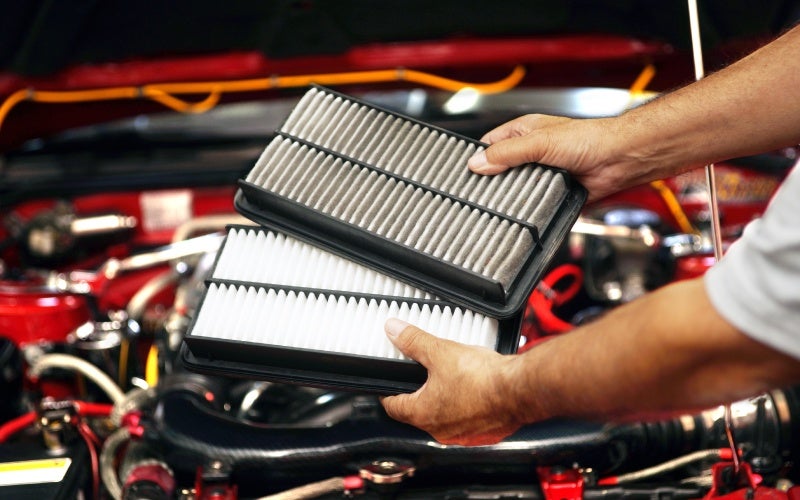
engine-air-filter-3

Engine Air Filter Symptoms for Plymouth, WI Commutes

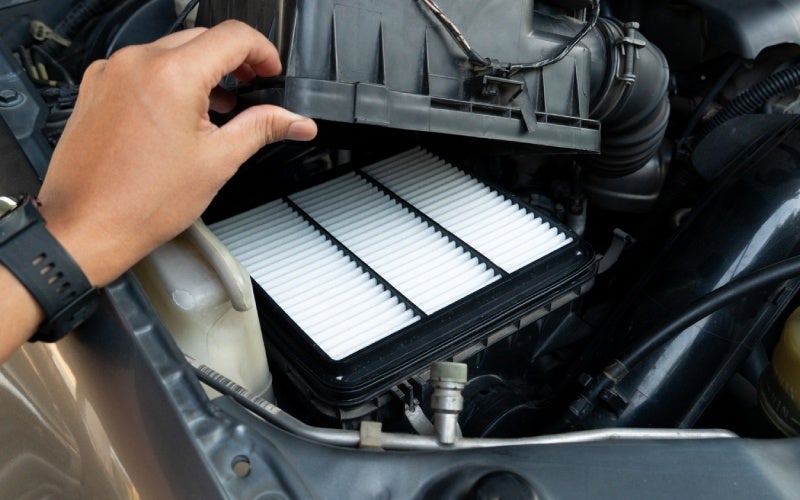
Sheboygan Quick Lube Plus - Engine Air Filter Symptoms for Plymouth, WI Commutes Drivers in Plymouth, WI often rely on one vehicle for a wide mix of trips: work commutes toward Sheboygan, errands around Eastern Avenue, school activities, rural county-road driving, and weekend travel across Sheboygan County. That mix can be harder on an engine air filter than many drivers expect. The engine air filter has a simple but important job: it helps keep dust, grit, pollen, road debris, and small particles from entering the engine. When airflow is restricted, the engine may need to work harder to breathe properly, which can affect performance, efficiency, and long-term engine health. Because the filter is usually out of sight, it can be easy to forget until symptoms become noticeable. At Sheboygan Quick Lube Plus, we check air filter condition as part of routine maintenance, making it easier to catch restriction or contamination during an oil change visit. Why The Engine Air Filter Matters Your engine needs a balanced mix of air and fuel to run efficiently. If the air entering the engine is dirty, sensitive components can be exposed to abrasive particles. If the filter is clogged, airflow may be reduced, which can affect acceleration, fuel economy, and overall drivability. Modern vehicles use sensors and computer controls to adjust performance, but a neglected filter can still create avoidable strain. Around Plymouth, rural routes and construction areas can increase dust exposure, while regular travel into Sheboygan can add stop-and-go conditions that make efficient airflow even more valuable. Replacing a dirty engine air filter at the right time is a small maintenance step that helps support engine life, lower emissions, and smoother operation. It is especially helpful to check the filter when you are already visiting for an oil change, tire pressure check, or multipoint inspection. Common Signs Your Engine Air Filter May Need Attention Reduced acceleration: Your vehicle may feel slower to respond when merging, passing, or climbing hills. Lower fuel efficiency: A restricted filter can make the engine work harder during normal driving. Rough idle: Uneven airflow can contribute to a less consistent idle in some vehicles. Dirty filter appearance: A filter that looks dark, dusty, packed with debris, or visibly clogged should be reviewed. Unusual engine sounds: Restricted airflow may change how the engine sounds under acceleration. These signs can have more than one cause, so it is helpful to have the filter checked rather than replacing parts based only on symptoms. For example, sluggish acceleration could involve spark plugs, fuel delivery, transmission response, or airflow restriction. Lower fuel economy may also relate to tire pressure, driving habits, oil condition, or alignment. That is why a broader service visit can be useful. During routine maintenance, our technicians can check the engine air filter along with tire pressure, fluids, battery condition, tire condition, and other visible service items. A simple inspection provides better context and helps you decide what should be handled now and what can be monitored. How Often Should Plymouth Drivers Check It? There is no single replacement interval that fits every driver. Some filters last longer in clean, mostly highway conditions, while others collect debris sooner due to gravel roads, dusty parking areas, frequent short trips, or heavier traffic. Many owner’s manuals provide a mileage-based recommendation, but visual inspection is still valuable. If you drive near farm fields, roadwork, or rural shoulders, checking the filter more regularly can make sense. If your vehicle has higher mileage or sees daily commuting between Plymouth and Sheboygan, pairing an air filter check with each oil change is a practical habit. At Sheboygan Quick Lube Plus, oil changes can include a 27-point courtesy inspection, so drivers can stay informed about filters and other maintenance needs without planning a separate visit. Our team services any make or model and uses recommendations based on your vehicle. Engine Air Filter Vs. Cabin Air Filter The engine air filter and cabin air filter are different parts with different jobs. The engine air filter protects the engine by cleaning incoming air before combustion. The cabin air filter supports passenger comfort by helping clean air moving through the heating, ventilation, and air conditioning system. A dirty cabin filter can reduce airflow through vents or contribute to stale cabin air, while a dirty engine filter can affect performance and efficiency. Both filters matter, but replacing one does not replace the need to check the other. During an oil change visit, it is helpful to ask about both, especially if you have noticed weak cabin airflow, musty odors, reduced acceleration, or declining fuel economy. Keeping both filters in good condition supports a cleaner, more comfortable, and better-performing vehicle. What Happens During A Filter Check? An engine air filter check is straightforward. The technician locates the air box, removes or views the filter as appropriate, checks for heavy dirt, debris, damage, or restriction, and explains the condition. If the filter still has useful life, you can continue driving and monitor it at a future service. If replacement is recommended, a new filter can restore cleaner airflow through the intake system. This type of maintenance is quick compared with more involved repairs, yet it can help prevent particles from reaching sensitive engine components. When combined with an oil and filter service, tire pressure check, and multipoint inspection, it gives Plymouth drivers a clearer understanding of overall vehicle condition before small concerns become larger problems. Frequently Asked Questions: Can a dirty engine air filter turn on the check engine light? It can contribute to airflow-related concerns in some situations, but a check engine light may come from many systems. A diagnostic review is the best way to identify the cause. Is an engine air filter replacement expensive or time-consuming? It is usually a simple service item compared with major repairs. Time can vary by vehicle design, but many filters can be checked efficiently during routine maintenance. Should I replace my engine air filter at every oil change? Not always. The best approach is to inspect the filter and replace it when condition, mileage, driving environment, or manufacturer guidance supports replacement. For Plymouth, WI drivers, engine air filter care is an easy way to support dependable performance without overcomplicating maintenance. If your vehicle feels sluggish, fuel economy has changed, or you simply want to stay ahead of routine service, bring your vehicle to Sheboygan Quick Lube Plus. We can check your engine air filter during an oil change, review other key maintenance items through our courtesy inspection, and help you make informed decisions for your vehicle. Walk-in service is available, and any make or model is welcome. Request more information

Where to Get Emissions Testing and Quick Maintenance near Cedar Grove, WI

Where to Get Emissions Testing and Quick Maintenance near Cedar Grove, WI

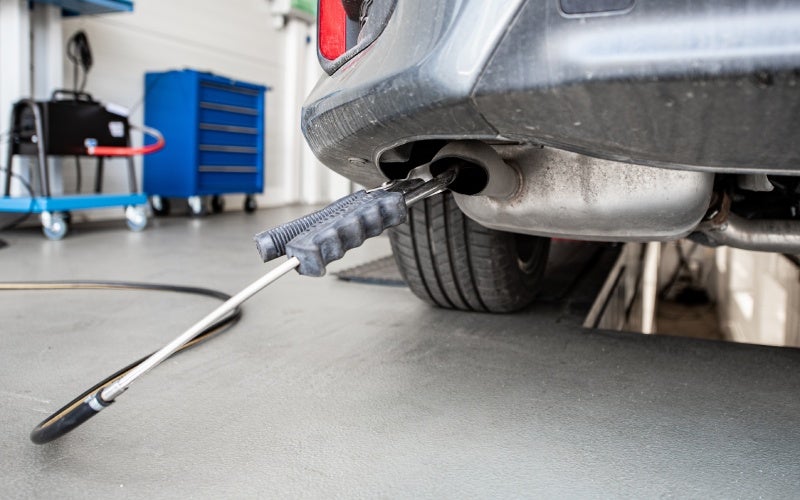
Sheboygan Quick Lube Plus - Where to Get Emissions Testing and Quick Maintenance near Cedar Grove, WI If you live in Cedar Grove and need Wisconsin emissions testing, an oil change, or a quick maintenance check without turning it into a complicated errand, the right plan can save a lot of time. Cedar Grove drivers often travel north toward Sheboygan for work, shopping, school activities, or appointments, so combining vehicle needs into one convenient stop makes sense. At Sheboygan Quick Lube Plus, we help local drivers take care of essential services efficiently, with no appointment necessary for many quick lube needs and emissions testing handled on a first-come, first-served basis. For Cedar Grove residents, the drive to our location at 2611 Washington Ave in Sheboygan is straightforward, especially for anyone already using I-43, County Road LL, or local routes through Oostburg and Kohler. Whether your vehicle is due for a Wisconsin Vehicle Inspection Program emissions test, your oil life monitor is getting low, or your windshield wipers are starting to streak, our shop is built around practical maintenance that helps you get back on the road with confidence. We are also serving Sheboygan, Sheboygan Falls, and Plymouth, along with surrounding communities that rely on dependable daily transportation. Why Cedar Grove Drivers Search for Emissions Testing Near Sheboygan Emissions testing is not something most drivers think about until a registration renewal notice arrives. Once that happens, the priority becomes finding a testing site that is close enough, easy to access, and clear about how the process works. Our emissions testing is part of the Wisconsin Vehicle Inspection Program, which includes state-mandated emissions testing and registration renewal support. For drivers near Cedar Grove, this can be especially useful because it keeps the process close to home without requiring a long trip to a larger metro area. Emissions testing hours are Monday through Friday from 8:00 AM until 4:30 PM, with testing closed on Saturday and Sunday. No appointment is necessary for emissions testing. Drivers can drive up to the far left lane, and service is handled first come, first served. What to Check Before an Emissions Test A little preparation can reduce the chance of an avoidable delay. Most emissions visits are simple, but warning lights, incomplete readiness monitors, or registration paperwork questions can slow things down. Before leaving Cedar Grove, take a minute to review your vehicle and your renewal information. Check your renewal notice: Bring any registration renewal paperwork or information connected to your emissions requirement. Look for a check engine light: If the light is on, your vehicle may not pass until the underlying issue is diagnosed and repaired. Confirm recent battery work: If your battery was disconnected or replaced recently, readiness monitors may need drive time before testing. Plan around testing hours: Emissions testing is available Monday through Friday from 8:00 AM to 4:30 PM. Use the far left lane: Our emissions testing lane is set up for drive-up service on a first-come, first-served basis. If your vehicle recently had repairs, a dead battery, or a cleared diagnostic code, it may need a mix of city and highway driving before the onboard computer is ready for inspection. Cedar Grove drivers who regularly travel toward Sheboygan, Oostburg, or Port Washington may naturally complete this drive cycle during normal commuting, but it is still worth checking before making a special trip. Pairing Emissions Testing With an Oil Change or Filter Check Many Cedar Grove drivers prefer to handle more than one vehicle task during the same trip. If you are already heading to Sheboygan for emissions testing, it may be a good time to think about oil condition, tire pressure, air filters, or wiper performance. Our quick lube services are designed for any make or model, and we provide conventional, semi-synthetic, full synthetic, and diesel oil options based on what your vehicle needs. Oil changes are one of the most important maintenance items for engine health. Clean oil helps lubricate moving engine parts, reduce friction, carry away contaminants, and support long-term performance. Over time, oil collects dirt, dust, and debris, especially in vehicles used for short trips, daily commuting, errands, and mixed local driving. If your driving routine includes stops in Cedar Grove, trips to Sheboygan, and highway miles on I-43, your oil change interval should follow your vehicle's recommended schedule and the oil type being used. Our oil change service also includes a 27-point courtesy vehicle inspection. This review helps identify maintenance needs early by checking major systems and common wear items. For drivers who want a better sense of overall vehicle condition without scheduling a separate inspection appointment, this can be a helpful part of routine service. Maintenance Items Worth Checking During the Same Visit Vehicle maintenance is not always about one major repair. Often, safe and reliable driving depends on small items that gradually wear out. Around Cedar Grove, vehicles commonly handle neighborhood driving, rural roads, highway speeds, and trips into Sheboygan County communities. That mix makes tires, filters, wipers, and fluids worth monitoring regularly. Engine air filter: A clean engine air filter helps keep debris out of the engine, supports fuel efficiency, and helps the engine breathe properly. Cabin air filter: A clean cabin air filter supports airflow through the heating and air conditioning system and helps keep cabin air cleaner. Wiper blades: Dry, cracked, or streaking blades can reduce visibility, and replacement can usually be handled quickly when needed. Tire rotation: Rotating tires promotes more even tread wear and can help reduce uneven rolling resistance. Alignment inspection: An alignment check can help identify issues that may cause uneven tire wear or steering pull. Tire pressure check: Proper inflation supports handling, tire life, and fuel efficiency. These items are especially easy to overlook because your vehicle may still feel normal during short drives. A cabin air filter may restrict airflow gradually. A tire may lose pressure slowly. Wipers may only seem worn once visibility becomes a problem. By checking these areas during a quick lube visit, you can make informed decisions before a small issue becomes more inconvenient. How Often Should Cedar Grove Drivers Change Oil? Oil change timing depends on your specific vehicle, oil type, mileage, and driving habits. Some vehicles may need service around 3 months or 3,000 miles, while others using full synthetic oil may be designed for longer intervals, sometimes up to 1 year or 10,000 miles. The best answer comes from your owner's manual, your oil life monitoring system, and recommendations based on make, model, mileage, and engine type. Cedar Grove drivers who take frequent short trips may place different demands on engine oil than drivers who spend more time at steady highway speeds. Short trips may not always allow the engine to fully warm up, while highway driving can add mileage quickly. If your vehicle is used for commuting, family errands, school activities, and weekend travel, it is worth asking our technicians what interval best fits your actual driving pattern. A Simple Visit Plan From Cedar Grove A little planning helps make your visit as efficient as possible, especially if you want emissions testing and quick maintenance handled during the same trip. Confirm your goal: Decide whether you need emissions testing, an oil change, filter service, wiper blades, tire rotation, or a general maintenance check. Check the correct hours: Quick lube service hours differ from emissions testing hours, so review timing before leaving Cedar Grove. Bring needed information: For emissions testing, bring registration renewal details or any notice related to your requirement. Watch your dashboard: Make note of warning lights, oil life messages, tire pressure alerts, or unusual vehicle behavior. Ask about your maintenance interval: Our team can help identify the correct oil and service timing for your make, model, and mileage. Quick lube hours are Monday through Friday from 7:00 AM to 6:00 PM and Saturday from 7:00 AM to 3:00 PM, with Sunday closed. Emissions testing runs Monday through Friday from 8:00 AM to 4:30 PM and is closed on weekends. If you are trying to complete emissions testing and quick maintenance in one visit, weekday planning is usually the best fit. Frequently Asked Questions: Do I need an appointment for emissions testing near Cedar Grove, WI? No appointment is necessary for emissions testing. Drive up to the far left lane during emissions testing hours, and service is handled first come, first served. Can I get an oil change for any make or model? Yes. Our quick lube team services all makes and models and carries conventional, semi-synthetic, full synthetic, and diesel oil options. The correct oil is selected based on your vehicle's needs. How long does an oil change usually take? A standard oil change often takes about 30 minutes to an hour, depending on the vehicle, wait time, and any added services. Many services are first come, first served. What is included with the 27-point inspection? The inspection reviews major systems and common maintenance areas such as fluids, air filter, battery, tire pressure, tire condition, brake lines, hoses, and other important items. Where is the shop located if I am driving from Cedar Grove? Our shop is located at 2611 Washington Ave in Sheboygan, WI 53081. Cedar Grove drivers can call 920-803-3534 with questions before making the trip. Whether you need a required emissions test, a routine oil change, or a quick look at filters, wipers, tire pressure, and alignment, planning ahead makes the visit easier. For Cedar Grove drivers, our Washington Ave location offers a practical stop for essential maintenance without making vehicle care more complicated than necessary. Request more information

Wisconsin Emissions Testing and Registration Renewal Planning near Kiel, WI

Wisconsin Emissions Testing and Registration Renewal Planning near Kiel, WI

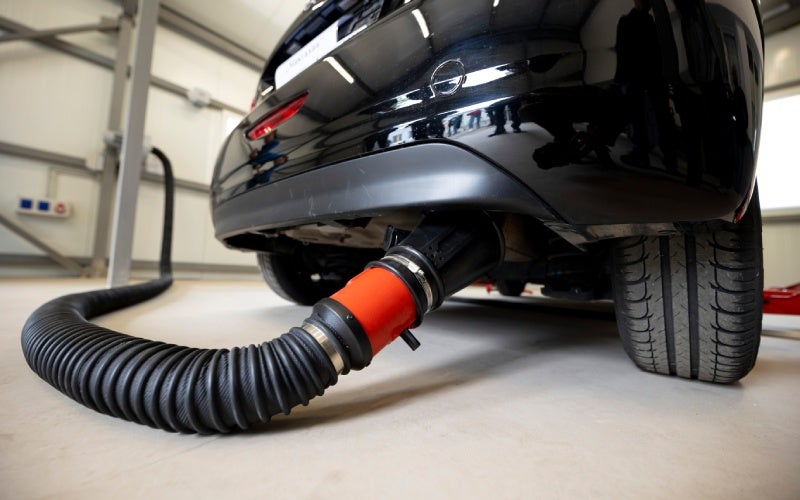
Sheboygan Quick Lube Plus - Wisconsin Emissions Testing and Registration Renewal Planning near Kiel, WI If you are searching for emissions testing near Kiel, WI, you are probably trying to answer a practical question: where can you get the required Wisconsin Vehicle Inspection Program test done without turning it into a complicated errand? For many Kiel-area drivers, the answer depends on where the vehicle is registered, when the renewal notice arrives, and whether the vehicle is ready for testing. At Sheboygan Quick Lube Plus, we provide Wisconsin emissions testing at our quick lube building at 2611 Washington Ave in Sheboygan, with no appointment necessary for emissions visits. Kiel drivers often travel toward Sheboygan for work, shopping, appointments, school activities, or lakefront errands, so planning an emissions stop around an existing drive can make the process easier. Even if your daily routes keep you closer to Kiel, New Holstein, Elkhart Lake, Plymouth, or Howards Grove, it helps to know ahead of time what emissions testing involves and how to avoid common issues that can delay a registration renewal. Our emissions testing is handled Monday through Friday from 8:00 AM until 4:30 PM, and the process is first come, first served. For arrival, simply drive up to the far left lane. Wisconsin emissions testing is not the same as a full mechanical inspection. It is a state-mandated inspection tied to eligible vehicles in designated counties and registration situations. A vehicle can run well and still be unready for testing if onboard monitors have not completed, if a check engine light is on, or if recent battery work cleared the vehicle's computer memory. Understanding those details before making the drive from Kiel can help you save time and reduce the chance of needing a return visit. Who near Kiel, WI may need Wisconsin emissions testing? Drivers searching from Kiel may need an emissions test if a renewal notice, registration requirement, or Wisconsin DMV instruction says one is required. Because Kiel sits near county boundaries and many local drivers commute across Sheboygan, Manitowoc, and Calumet County areas, the requirement is not always obvious based only on where a person usually drives. The most reliable source is your renewal paperwork or Wisconsin DMV account information. Emissions requirements often apply when a vehicle is registered in a participating Wisconsin emissions county or when a registration renewal indicates testing is due. If your notice directs you to complete emissions testing, do not wait until the last possible day. A simple readiness issue, a check engine light, or missing paperwork can turn a quick stop into a delay. Planning a visit during weekday emissions hours gives you more room to address anything unexpected before registration is due. What to bring for an emissions test Before leaving Kiel, take a moment to gather the basics. The test itself is usually straightforward, but arriving prepared helps the line keep moving and helps our team confirm the correct vehicle and registration information. If you recently purchased the vehicle, recently renewed, or recently moved, bring any documents connected to your current registration status. Renewal notice: Bring the Wisconsin DMV renewal notice if you received one. Current registration information: Have your plate, VIN, or registration details available. Driver information: Bring a valid driver's license or identification if needed for the transaction. Vehicle condition: Make sure the vehicle can be safely driven into the testing lane. Dashboard warning lights: Note whether the check engine light is on before you arrive. If your vehicle has a check engine light on, it may not pass an emissions test. That light is tied to the onboard diagnostic system, which monitors emissions-related components. A loose gas cap, evaporative system concern, oxygen sensor issue, catalytic converter efficiency code, or misfire can all trigger the light. Some issues are minor, while others need diagnosis. Either way, ignoring the light before a required test can cost you time. How readiness monitors affect your test A vehicle reading of not ready does not always mean the vehicle failed the test outright. It often means the vehicle's computer has not completed enough self-checks since the memory was cleared. That can happen after a battery replacement, a dead battery, certain repairs, or code clearing with a scan tool. Readiness monitors need normal driving to complete. A short trip around Kiel may not always be enough, especially if the vehicle needs a mix of steady cruising, stop-and-go driving, and full warm-up cycles. If you recently had battery work or a check engine light reset, drive the vehicle for several normal trips before coming in for testing. Avoid disconnecting the battery right before your visit, since that can reset monitors again. Recent battery replacement: The vehicle may need additional drive time before testing. Cleared diagnostic codes: Clearing codes does not fix the cause and can reset readiness monitors. Short-trip driving: Repeated brief drives may slow monitor completion. Check engine light: An illuminated light often indicates an emissions-related issue. Making the trip from Kiel more efficient From the Kiel area, a little planning can make an emissions visit smoother. Weekday timing matters because emissions testing is available Monday through Friday from 8:00 AM until 4:30 PM and is closed on Saturday and Sunday. Since visits are first come, first served, allow some flexibility in your schedule. If you are already heading toward Sheboygan for errands or commuting through Plymouth or Howards Grove, adding the stop can be a convenient way to handle the requirement. Our quick lube location also supports routine vehicle care, so many drivers choose to think about maintenance needs at the same time. Oil changes, tire rotations, alignment checks, engine air filters, cabin air filters, wiper blades, and a 27-point courtesy inspection are all part of the broader service approach we provide. Emissions testing is its own process, but your vehicle's overall condition still matters for day-to-day reliability. A car that is overdue for maintenance, running rough, or showing warning lights deserves attention before a registration deadline becomes urgent. Why Kiel-area driving habits can influence maintenance needs Drivers around Kiel often experience a mix of rural roads, small-town stop signs, county highways, and longer drives toward Sheboygan, Plymouth, or Manitowoc. That kind of varied use can affect maintenance timing. Short trips may prevent oil and exhaust systems from fully reaching operating temperature. Longer highway routes can put steady mileage on tires and filters. Gravel shoulders, farm-area dust, and road debris can also make air filter and cabin filter checks worthwhile during routine service. Those factors do not automatically mean your vehicle needs extra work, but they do make regular inspections useful. A 27-point courtesy inspection can help identify visible concerns with fluids, tire pressure, tire condition, brake lines and hoses, the battery, filters, and other major areas. Small maintenance items are easier to address before a commute, family trip, or registration deadline puts extra pressure on your schedule. What if your vehicle does not pass? If your vehicle does not pass, read the test result carefully. The result will point you toward the next step, which may involve diagnosis, repair, or additional driving if the issue is readiness-related. Do not assume that clearing the code is a repair. If the underlying issue remains, the light can return and the vehicle may fail again. A proper diagnosis helps identify whether the concern involves fuel control, ignition, sensors, evaporative emissions, or another system. For drivers coming from Kiel, the best approach is to leave time between the first test attempt and the registration due date. That buffer gives you a chance to address repairs, complete drive cycles, and return for a retest if needed. Waiting until the final day can create unnecessary stress, especially if parts, diagnosis, or additional driving time are needed. Routine service to consider before or after emissions testing If you are already planning a drive to Sheboygan for emissions testing, it may be a good time to review any overdue maintenance. Oil quality, filters, tire condition, and wiper visibility all contribute to a vehicle that feels dependable on the road. Our team can service any make or model, and no appointment is necessary for many quick lube services. We are also serving Kohler, Cedar Grove, and Sheboygan along with surrounding communities across the region. Oil change: Helps protect moving engine components and remove contaminated oil. Engine air filter: Helps keep dirt and debris out of the engine intake system. Cabin air filter: Supports airflow through the heating and cooling system. Wiper Helps: Helps maintain visibility when blades become dry, cracked, or streaky. Tire rotation: Promotes more even tread wear across all four tires. Alignment check: Helps identify conditions that can lead to uneven tire wear. Frequently Asked Questions: Do I need an appointment for emissions testing near Kiel, WI? No appointment is necessary for emissions testfirst-comes afirst-servedn a first come, first served basis during emissions testing hours. Drive up to the far left lane when you arrive. What are the emissions testing hours? Emissions testing is available Monday through Friday from 8:00 AM until 4:30 PM. Emissions testing is closed on Saturday and Sunday. Can I get an oil change during the same trip? Yes, many drivers handle routine maintenance during the same general visit or trip to the area. Oil changes and quick lube services are available for any make or model, with conventional, semi-synthetic, full synthetic, and diesel oil options based on vehicle needs. Will my vehicle fail if the check engine light is on? An illuminated check engine light often indicates an emissions-related issue and can prevent a passing result. It is best to have the cause addressed before testing if the light is on. Where is the emissions testing location? Our quick lube building is located at 2611 Washington Ave in Sheboygan, WI 53081. The emissions testing lane is accessed by driving up to the far left lane. For Kiel-area drivers, emissions testing does not have to be confusing. Check your renewal notice, make sure your vehicle is ready, bring the right information, and give yourself enough time before the registration deadline.first-comerafirst-servedfirst come, first served process and weekday testing hours, our team is here to help you handle the requirement and get back on the road with confidence. Request more information
Why Your Vehicle Pulls, Vibrates, or Wears Tires Unevenly near Howards Grove, WI

Why Your Vehicle Pulls, Vibrates, or Wears Tires Unevenly near Howards Grove, WI

Sheboygan Quick Lube Plus - Why Your Vehicle Pulls, Vibrates, or Wears Tires Unevenly near Howards Grove, WI If you live near Howards Grove, WI, and your vehicle has started drifting to one side on Highway 42, vibrating on the way into Sheboygan, or wearing one tire faster than the others, you are probably searching for a practical answer: is it an alignment issue, a tire problem, or something else? At Sheboygan Quick Lube Plus, we help drivers sort out those early warning signs during everyday maintenance visits, including oil changes, tire rotations, alignment checks, air filter service, wiper blade replacement, and 27-point courtesy inspections. Howards Grove drivers often use a mix of local village roads, county routes, and Sheboygan-area streets for commuting, school drop-offs, shopping, and appointments. That kind of driving can expose tires and steering components to repeated turns, stop-and-go traffic, road edges, uneven pavement, and occasional impacts that may not seem serious in the moment. Over time, those small events can change how the tires meet the road. The result may be a vehicle that no longer tracks straight, tires that get noisy, or tread that disappears sooner than expected. The tricky part is that tire wear and alignment symptoms can overlap. A steering wheel that sits slightly off-center may point toward wheel alignment, but low tire pressure can also make the vehicle feel unstable. A vibration at certain speeds may come from tire balance, tire condition, or worn steering and suspension parts. That is why a quick visual check and routine service history matter. When these issues are caught early, drivers near Howards Grove can often avoid more expensive tire replacement and enjoy a smoother, safer drive. Common Warning Signs for Howards Grove Drivers: What Your Vehicle May Be Telling You Your vehicle is designed so the tires roll evenly and maintain consistent contact with the road. When the angle of the wheels changes, or when tires are not rotated regularly, the tread can wear in patterns that make the vehicle harder to control and less efficient. The following are various signs that your vehicle may need service. Vehicle pulls left or right: This can be caused by wheel alignment, uneven tire pressure, tire wear, brake drag, or road crown. Steering wheel is off-center: If the vehicle drives straight but the wheel is crooked, an alignment check is a smart next step. Outer tire edges are worn: This may indicate alignment trouble, underinflation, aggressive cornering, or delayed tire rotation. Inner tire edges are worn: This often points toward camber or toe alignment concerns that should not be ignored. Cupping or scalloped tread appears: This pattern may involve tire balance, suspension wear, or inconsistent tire contact with the road. Vibration at higher speeds: Tire balance, tire damage, wheel issues, or uneven tread can all contribute to vibration. Even if your vehicle still feels manageable, these symptoms deserve attention. Tires are a major safety component, and the tread pattern can reveal problems before the vehicle becomes difficult to drive. If you are regularly traveling from Howards Grove toward Sheboygan for work, errands, or school activities, a small pull or vibration can become more noticeable over repeated trips. Alignment Check vs. Tire Rotation: Which One Do You Need? A tire rotation and an alignment check are related, but they solve different problems. A tire rotation moves tires to different positions on the vehicle so tread wears more evenly over time. Front tires often wear differently than rear tires because they handle steering forces, braking load, and in many vehicles, drive power. Rotating tires helps spread that work across all four tires. An alignment check looks at the angles of the wheels and how those angles compare with the vehicle manufacturer's specifications. If the wheels point too far inward, outward, or lean incorrectly, tires can scrub against the road instead of rolling cleanly. This can shorten tire life and affect how the vehicle steers. For a driver near Howards Grove, an alignment concern might show up after hitting a curb, driving over rough pavement, replacing tires, or noticing persistent uneven wear. Choose a tire rotation when: Your tires are wearing normally, your maintenance interval is due, or you want to help extend tire life. Ask for an alignment check when: The vehicle pulls, the steering wheel is off-center, or tire edges are wearing unevenly. Consider both services when: You have not rotated tires recently and are beginning to see unusual tread patterns. Do not wait when: Tire cords are visible, a tire has a bulge, or the vehicle feels unsafe to control. During our routine maintenance process, we can help identify whether tire wear looks normal or whether an alignment inspection should be considered. If tire replacement is needed, we can also help point you toward the right next step through our main shop resources, depending on the condition of the tires and the vehicle. Why Uneven Tire Wear Matters for More Than Tire Life Uneven tire wear is not just a tire budget issue. It can affect braking, handling, fuel efficiency, and ride comfort. When one portion of the tread is worn more than the rest, the tire may not grip as consistently. That can make the vehicle feel less predictable during turns, lane changes, and braking. On local roads around Howards Grove, where drivers may transition between neighborhood streets, rural roads, and busier Sheboygan routes, predictable handling is important. Fuel efficiency can also be affected. Tires that are underinflated, misaligned, or worn unevenly may create extra rolling resistance. The engine has to work harder to keep the vehicle moving, especially during frequent short trips. While drivers often think about oil changes first when considering efficiency, tires and alignment play a real role in how smoothly the vehicle rolls. Uneven tread can also create road noise. If you hear a humming, chopping, or rhythmic sound that changes with speed, it may be related to tread condition. A tire inspection can help separate normal road noise from a developing issue. That matters because some tire wear patterns continue to get worse even after pressure is corrected, especially if the root cause is alignment or suspension-related. How Oil Change Visits Can Help Catch Tire and Alignment Concerns Early One of the best times to pay attention to tire condition is during a regular oil and filter service. Many people treat oil changes as engine maintenance only, but a well-rounded visit can reveal much more about the vehicle. Our services include a 27-point courtesy inspection, tire pressure checks, and attention to key maintenance items such as engine air filters, cabin air filters, and wiper blades. That gives drivers a broader look at vehicle health without needing to diagnose every symptom alone. If you drive a newer vehicle, your dashboard may show oil life reminders, tire pressure alerts, or service messages. Those systems are helpful, but they do not replace a hands-on look at tread depth, tire condition, and wear pattern. For older vehicles, routine inspection is even more important because steering, suspension, and tire condition can change gradually over time. Tire pressure check: Helps identify underinflation or overinflation that can contribute to uneven wear. Tire condition review: Looks for cracking, low tread, puncture signs, sidewall damage, or abnormal patterns. Rotation discussion: Helps determine whether your tires should be moved to promote more even wear. Alignment inspection recommendation: Helps flag pulling, off-center steering, or tread wear that may need closer attention. Maintenance timing: Connects tire care with oil changes so important checks are less likely to be missed. For busy households near Howards Grove, convenience matters. No-appointment oil change service can make it easier to stay on top of maintenance before small vehicle concerns become bigger interruptions. We are located at 2611 Washington Ave in Sheboygan, which makes our quick lube a practical stop for drivers heading into the city from Howards Grove and nearby communities, including those serving Oostburg, Kiel, and Kohler. What to Check Before You Drive In You do not need to be an automotive expert to gather useful clues before service. A few simple observations can help our team understand what you have noticed and when it happens. Try to pay attention to whether the pull is constant or only happens while braking, whether vibration occurs at a certain speed, and whether the steering wheel feels different than it used to. Look at the tire edges: Compare the inner and outer shoulders of each tire for uneven wear. Note when symptoms happen: Vibration at 35 mph may suggest something different than vibration at highway speed. Check the steering wheel position: A wheel that sits crooked while driving straight is worth mentioning. Watch for pressure alerts: A tire pressure warning can be tied to leaks, temperature changes, or sensor concerns. Remember recent impacts: Curb contact, potholes, or rough road edges can contribute to alignment changes. These details help narrow down the possibilities. For example, a vehicle that pulls only when braking may need a different type of inspection than one that pulls all the time. A vibration that appeared after a tire impact may suggest tire or wheel damage. The more specific you can be, the easier it is to decide whether a tire rotation, alignment check, or additional inspection makes sense. Frequently Asked Questions: How often should I rotate my tires if I drive mostly around Howards Grove and Sheboygan? Many vehicles benefit from tire rotation around the same general interval as oil change service, but the right timing depends on the vehicle, tire type, drivetrain, and driving habits. If your front and rear tires are wearing differently, a rotation schedule can help even things out. Can bad alignment ruin new tires? Yes. If alignment angles are outside specification, new tires can begin wearing unevenly very quickly. If your old tires showed inner-edge wear, outer-edge wear, or feathering, it is wise to ask about an alignment check before assuming new tires alone will solve the issue. Is a slight pull always an alignment problem? No. A slight pull can come from alignment, tire pressure differences, tire construction, uneven tread wear, brake concerns, or even road slope. That is why tire pressure and tire condition should be checked before jumping to one answer. Why does my steering wheel shake even though my tires still have tread? Tread depth is only one part of tire condition. A shake may come from tire balance, uneven wear, a bent wheel, tire damage, or worn suspension components. If the shake is new or getting worse, it should be checked. Do I need an appointment for an oil change and basic maintenance checks? No appointment is necessary for many quick lube services, though wait times can vary because service is often handled first come, first served. If you prefer a specific date and time, scheduling may also be available. When your vehicle pulls, vibrates, or wears tires unevenly, it is worth taking action before the problem shortens tire life or affects the way the vehicle handles. A routine service visit can give you a clearer picture of your tires, oil, filters, wipers, and overall maintenance needs. For drivers near Howards Grove, that kind of proactive care helps keep daily trips smoother, safer, and more predictable. Request more information

Understanding 27-Point Courtesy Inspections for Sheboygan, WI Drivers

Understanding 27-Point Courtesy Inspections for Sheboygan, WI Drivers

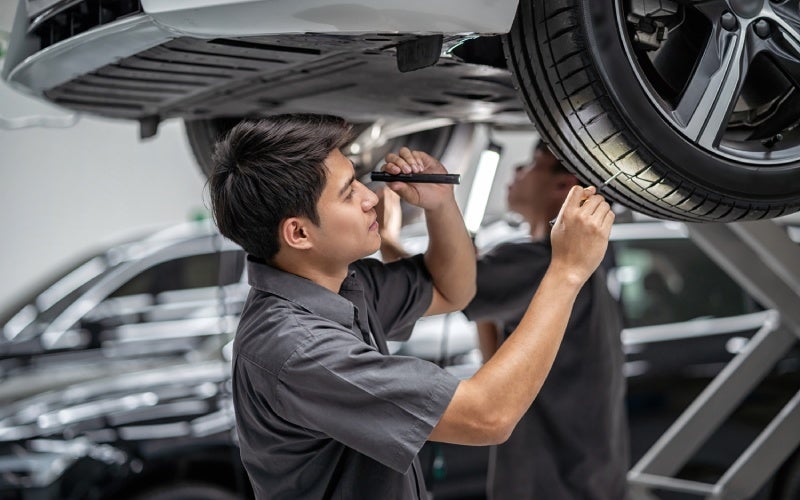
Sheboygan Quick Lube Plus - Understanding 27-Point Courtesy Inspections for Sheboygan, WI Drivers A 27-point courtesy inspection can make a routine oil change much more valuable because it gives drivers a broader view of vehicle condition during a visit already planned for maintenance. Many people think of an oil change as a single task: drain old oil, replace the filter, refill the engine, and leave. While that core service is important, the inspection that happens alongside it can help identify tire concerns, fluid issues, air filter restriction, battery weakness, worn wiper blades, or other items that may affect safety, comfort, and reliability. For drivers moving between neighborhoods, schools, workplaces, lakefront destinations, and regional highways, those small checks can provide helpful peace of mind. At Sheboygan Quick Lube Plus, our 27-point courtesy inspection is designed to support practical decision-making rather than create confusion. The goal is to keep customers informed about the current vehicle condition and help prioritize maintenance based on need. Some inspection findings may simply confirm that everything looks good. Others may show that an item should be watched for the next visit. In certain cases, a technician may identify a concern that deserves more immediate attention. This approach gives drivers useful information without requiring a separate diagnostic visit for every basic maintenance question. It also supports better service planning for families, commuters, and anyone managing a busy schedule in Sheboygan. What a Courtesy Inspection Typically Reviews A good courtesy inspection focuses on systems that commonly affect vehicle reliability, safety, and daily drivability. During service, technicians may review fluid levels, fluid condition, tire pressure, tire condition, visible brake lines and hoses, air filter condition, battery condition, wiper blade wear, lights, and other accessible components. This type of review is not meant to replace an in-depth repair diagnosis, but it is a valuable early-warning tool. For example, low tire pressure may reduce fuel efficiency and cause uneven wear. A clogged engine air filter can reduce airflow into the engine. A dirty cabin air filter may restrict ventilation. Worn wiper blades can leave streaks that make visibility more difficult. Catching those items during regular maintenance can help drivers respond before a minor issue becomes more disruptive. Tires: Pressure, visible tread condition, and signs of uneven wear can point to rotation or alignment needs. Fluids: Oil, coolant, washer fluid, brake fluid, and other accessible fluids may provide clues about overall maintenance condition. Filters: Engine and cabin air filters can affect performance, airflow, comfort, and system protection. Battery: A basic review can help identify corrosion, weak connections, or signs that further testing may be wise. Wipers: Dry, cracked, streaking, or skipping blades can be replaced quickly when needed. Brake-related components: Visible brake lines and hoses can be checked for obvious wear or concerns. Why Inspections Matter During an Oil Change Oil changes happen on a regular rhythm, which makes service visits a smart time to review other wear items. Vehicle maintenance is easier when drivers do not have to remember every interval separately. By pairing oil service with a courtesy inspection, the service team can help connect the dots between mileage, driving habits, visible wear, and manufacturer recommendations. A driver who uses a vehicle for short local trips may experience different maintenance needs than a driver who spends more time on the highway. Likewise, vehicles used for family transportation, work errands, or frequent regional travel may show wear in different areas. The inspection provides a snapshot that helps drivers understand those patterns. Another benefit is documentation and consistency. When technicians check similar items during recurring visits, changes can be easier to spot. A tire that looked normal during a previous oil change but now shows uneven wear may point to an alignment concern. A cabin air filter that was clean months ago may now appear restricted. Wiper blades that were fine at the last visit may begin to crack or chatter. These updates help drivers make measured decisions instead of reacting only when something fails or becomes inconvenient. How Drivers Can Use Inspection Results The best way to use a courtesy inspection is to ask questions and prioritize. Not every recommendation has the same level of urgency. Some items may be routine maintenance, some may be comfort-related, and some may affect safety or vehicle reliability. If a technician notes that tire pressure was adjusted, that may simply be useful information. If uneven tread wear is found, a rotation or alignment check may be worth considering. If a filter is dirty, replacement may support better airflow or engine protection. If a fluid appears low or discolored, a deeper look may be needed depending on the system involved. Review the findings: Ask what was checked and whether anything has changed since the last visit. Separate urgent from routine: Focus first on items tied to safety, reliability, or worsening wear. Plan upcoming maintenance: Use inspection notes to budget time for future service without waiting for a breakdown. Track recurring concerns: Repeated low fluid, uneven tire wear, or frequent wiper issues may deserve closer review. Local Driving Conditions and Inspection Value Sheboygan area drivers often deal with a mix of city streets, arterial roads, neighborhood routes, and highway access. That blend can influence how a vehicle ages. Frequent stopping can increase demands on brakes and fluids. Short trips can affect oil condition and battery performance. Highway travel can create steady tire wear and place importance on alignment, balance, and tire pressure. Local errands may also mean more frequent cabin airflow use, making cabin filter condition more noticeable during everyday driving. Because no two driving patterns are identical, regular inspections help tailor maintenance conversations to actual use rather than broad assumptions. A courtesy inspection also helps simplify ownership for drivers who are not sure what to check between service visits. Many customers can recognize obvious issues, such as a warning light or a flat tire, but less visible wear can be harder to evaluate. Having trained technicians look over common maintenance points during oil service adds an extra layer of awareness. The result is not just a cleaner oil system; it is a more complete understanding of how the vehicle is holding up. Frequently Asked Questions: Is a 27-point inspection the same as a full diagnostic? No. A courtesy inspection is a visual and basic maintenance review of key items. A full diagnostic is more detailed and may require specialized testing when a specific symptom, warning light, or performance concern is present. Can an inspection help prevent expensive repairs? It can help by identifying visible wear, low fluids, tire concerns, or filter restrictions earlier. Early awareness gives drivers a better chance to handle maintenance before related parts are affected. Should I ask about inspection results after every oil change? Yes. Asking for a quick review helps you understand the vehicle's condition, upcoming maintenance needs, and any items worth monitoring before the next visit. A 27-point courtesy inspection is one of the simplest ways to make routine maintenance more informative. Instead of leaving with only fresh oil, drivers can leave with a clearer understanding of tires, filters, fluids, wipers, battery condition, and other everyday service items. That information supports safer decisions, better planning, and more confidence behind the wheel. When combined with consistent oil changes and practical recommendations, the inspection becomes a smart habit for keeping a vehicle dependable mile after mile. Request more information

Brake Pedal Feel and Fluid Checks for Sheboygan, WI Drivers

Brake Pedal Feel and Fluid Checks for Sheboygan, WI Drivers

Sheboygan Quick Lube Plus - Brake Pedal Feel and Fluid Checks for Sheboygan, WI Drivers Brake pedal feel is one of the clearest ways your vehicle communicates with you. A firm, consistent pedal usually means the hydraulic braking system is responding as expected. A pedal that feels soft, spongy, unusually low, or inconsistent may indicate a condition that needs attention. The cause is not always obvious from the driver’s seat, which is why brake fluid checks are such a useful part of routine maintenance. Brake fluid carries force from your foot to the brake components, and it must stay clean, properly filled, and stable under heat and pressure. When the fluid becomes contaminated, absorbs too much moisture, or drops below the proper level, the entire braking system can be affected. Sheboygan drivers often use vehicles for a mix of local errands, work commutes, school activities, lakeshore routes, and highway travel. That combination means brakes may go from frequent low-speed stops to longer stretches of steady driving in a single day. Reliable pedal feel matters in all of those situations. A quick service visit is a practical time to ask for a brake fluid review, especially when your vehicle is already receiving an oil change, tire pressure check, or multi-point inspection. Sheboygan Quick Lube Plus helps drivers keep maintenance straightforward by reviewing important systems and communicating noticeable changes before a small concern becomes more inconvenient. What Brake Pedal Feel Can Tell You The brake pedal should feel predictable. It should not sink slowly while you hold pressure at a stop, pulse unexpectedly under normal braking, or require extra force to slow the vehicle. Some vehicles naturally have a slightly different pedal feel based on brake design, weight, and power assist setup, but sudden changes are worth noting. If you drive the same vehicle every day, you are often the first person to notice when something feels different. That detail can help a technician understand when the concern started and whether it happens during every stop or only in certain conditions. Spongy pedal feel: Air, moisture, or fluid condition may be affecting hydraulic pressure. Low pedal travel: The pedal may move farther than normal before braking feels firm. Brake warning light: Low fluid, system imbalance, or another brake issue may be present. Inconsistent response: The vehicle may not slow as smoothly or predictably as usual. These symptoms do not always mean a major repair is needed, but each one deserves a closer look. Low brake fluid can be related to normal brake pad wear, but it can also point to a leak. Dirty fluid may suggest moisture or contamination. A dashboard warning may require additional inspection. The safest approach is to treat pedal changes as useful information and have the system checked promptly. Why Brake Fluid Condition Matters Brake fluid is designed to handle pressure and heat while protecting internal brake components. Over time, many brake fluids absorb moisture. This can lower the boiling point of the fluid and may contribute to corrosion inside metal lines, calipers, wheel cylinders, and master cylinder components. The result may not be immediate, which is why brake fluid can be forgotten during basic vehicle care. However, long-term neglect can affect the feel and reliability of the braking system. A fluid check typically focuses on reservoir level, visible color, clarity, and signs of contamination. Fresh brake fluid is usually lighter and cleaner in appearance, while older fluid may look darker or cloudy. Color alone does not provide a complete diagnosis, but it is one useful clue. A technician may also look for dampness around lines or hoses, damaged rubber components, or other visible concerns. Because the brake system is safety-critical, any suspected leak or unusual pedal behavior should be handled with care. How Brake Fluid Checks Connect With Other Maintenance Brake performance is connected to more than brake fluid. Tires, tire pressure, alignment, suspension condition, and brake component wear all influence how your vehicle stops. A vehicle with worn tires may take longer to stop even if the brake fluid is clean. A vehicle with uneven tire pressure may feel less stable under braking. That is why routine inspections are valuable. A 27-point courtesy inspection can help review major systems, fluids, battery condition, air filter condition, tire pressure, tire condition, brake lines, hoses, and other maintenance items. Start with routine service: Pair fluid checks with oil changes, tire rotations, and inspections. Share symptoms clearly: Mention soft pedal feel, warning lights, or visible fluid spots. Review recommendations: Ask what was observed and what service may be needed next. Follow your maintenance schedule: Use the owner’s manual as a guide for brake fluid intervals. This layered approach helps you make decisions based on actual vehicle condition rather than guesswork. It also supports better long-term ownership because brake fluid issues, tire wear, and alignment concerns can be caught earlier when maintenance is consistent. When to Ask for a Brake Fluid Review You do not need to wait for a warning light to ask about brake fluid. If your vehicle is due for an oil change, if you recently purchased a used vehicle, or if you cannot remember the last brake fluid service, a check is worthwhile. It is also smart to ask if the brake pedal feels different, if stopping distance seems longer, or if you see fluid near a wheel or under the vehicle. The goal is to understand the condition of the system and decide whether monitoring, service, or further diagnosis is appropriate. Our local Sheboygan approach focuses on practical maintenance guidance for everyday drivers. Brake fluid care is not about replacing parts without reason; it is about protecting a system you rely on every time you drive. When brake fluid checks become part of your regular maintenance rhythm, you gain a clearer picture of your vehicle’s health. That confidence matters whether you drive a commuter car, family SUV, pickup, hybrid, or diesel vehicle. Frequently Asked Questions: Can I check brake fluid myself? You can look at the reservoir level on many vehicles, but avoid opening the cap unless necessary because brake fluid can absorb moisture and contamination. A professional check is best for accurate guidance. Does brake fluid last forever? No. Brake fluid can absorb moisture over time and may become less protective. Your manufacturer’s maintenance schedule can help identify the correct service interval. Is dark brake fluid always unsafe? Dark fluid is a warning sign that the fluid may be aged or contaminated, but a technician should evaluate the system and recommend the right next step. Should brake fluid be checked with every oil change? It is a good habit to have the brake fluid level and visible condition reviewed during routine service. This helps catch changes early and keeps maintenance more organized. Brake pedal feel and brake fluid condition are simple topics with major importance. If something feels different, listen to the vehicle and ask for an inspection. A timely check can help protect braking confidence, reduce the chance of avoidable wear, and support safer daily driving across the Sheboygan area. Request more information

Combining Oil Changes with Air Filter Checks in Sheboygan, WI

Combining Oil Changes with Air Filter Checks in Sheboygan, WI

Sheboygan Quick Lube Plus - Combining Oil Changes with Air Filter Checks in Sheboygan, WI Many drivers search for an oil change when the dashboard reminder appears, but an oil service visit is also one of the smartest times to check the filters that help your vehicle breathe. Engine oil protects internal components by lubricating moving parts and carrying away contaminants, while the engine air filter helps keep dirt, dust, and debris from entering the engine in the first place. When both are maintained together, the engine can operate more efficiently and with less unnecessary strain. Around Sheboygan, vehicles often handle a wide range of driving in a single week, from quick neighborhood trips to longer drives toward Manitowoc, Port Washington, West Bend, Fond du Lac, or Grafton. That variety can make maintenance needs less predictable than mileage alone suggests. At Sheboygan Quick Lube Plus, we provide oil change service for any make or model and can check key maintenance items during the same visit, helping drivers make practical decisions without turning a simple oil change into a complicated process. Why Oil and Engine Airflow Work Together Your engine depends on clean oil and clean air. Oil reduces friction, helps control heat, and protects metal components as the engine runs. The engine air filter helps prevent small particles from reaching the intake system and engine. When oil becomes contaminated or the air filter becomes restricted, the engine may need to work harder than intended. Drivers might notice rougher performance, reduced fuel efficiency, or slower response. A dirty air filter does not always create an immediate warning light, which is why checking it during an oil change is so useful. If the filter is clean, no replacement may be needed. If it is clogged, replacing it can support fuel efficiency, help prolong engine life, and reduce emissions. This is a practical maintenance step for local drivers who want a dependable vehicle for work, family travel, errands, and weekend plans without waiting for a performance issue to appear. Signs Your Engine Air Filter May Need Attention Reduced acceleration: A restricted filter can limit airflow and make the engine feel less responsive. Lower fuel economy: Poor airflow can cause the engine to work harder during everyday driving. Dirty filter appearance: Heavy dust, debris, or dark buildup may suggest replacement is needed. Unusual engine sound: Restricted airflow can sometimes contribute to rougher engine operation. Emissions concerns: A clean filter can help the engine burn fuel more efficiently and reduce emissions. Not every symptom points directly to an air filter problem, but the filter is quick to inspect and easy to discuss during service. Many vehicles look fine from the outside while maintenance items are gradually wearing or clogging underneath. That is why a routine oil change is a good opportunity to ask about oil type, filter condition, tire pressure, wiper blades, and cabin airflow. For Sheboygan drivers who balance work schedules, family needs, and errands across town, grouping these checks together saves time and supports better vehicle care. Do Not Forget the Cabin Air Filter The cabin air filter is different from the engine air filter. Instead of protecting the engine, it helps support ventilation inside the vehicle and protects the HVAC system. When the cabin air filter becomes clogged, airflow through the vents may feel weaker, and the cabin may not clear as comfortably when humidity or road film affects visibility. This filter also helps reduce the amount of dust and debris circulating through the passenger area. A cabin air filter check can be especially helpful for drivers who spend a lot of time on local roads, commute daily, transport children, or use the vehicle as a mobile office between appointments. Since the cabin air filter condition is not always obvious from the driver's seat, having it reviewed during routine service can prevent guesswork. If replacement is needed, it can often be handled quickly alongside other maintenance items. An oil change visit can also include attention to tires and visibility. Sheboygan Quick Lube Plus is a one-stop shop for oil changes, tire rotations, alignment checks, air filters, wiper blades, and more. Tire rotation promotes uniform tread wear, while tire pressure checks help support handling and efficiency. Alignment inspections can identify conditions that may cause the vehicle to pull or wear tires unevenly. Wiper blades matter because clear visibility is part of safe driving, whether you are on city streets, near the lakefront, or traveling on I-43. Dry, cracked, or streaking blades can be replaced in minutes with quality blades. These added checks do not distract from the oil change; instead, each one helps create a clearer picture of the vehicle’s condition. What a 27-Point Courtesy Inspection Adds Every service includes a thorough 27-point multi-point inspection, a tire pressure check, and a car wash if wanted. The inspection reviews major systems, fluids, air filter, battery, tire pressure, tire condition, brake lines, hoses, and other items. This helps drivers stay ahead of small changes before small concerns become inconvenient repairs. It is also helpful when a vehicle is new to you, when maintenance records are incomplete, or when the dashboard has not displayed a warning but the vehicle feels slightly different. Because most quick lube services are handled on a first-come, first-served basis, drivers can simply drive in when service fits the day. A standard oil change can take about 30 minutes to an hour, depending on the vehicle and added services, with wait time varying during busy periods. Oil type is another important part of the conversation. We carry traditional oil types, including conventional and full synthetic, and service options also include semi-synthetic and diesel oil. The right choice depends on the vehicle manufacturer's recommendation, make, model, mileage, and engine requirements. Some engines are designed for full synthetic oil, while others may use conventional or semi-synthetic oil when appropriate. Diesel vehicles require oil built for diesel engine demands. If you are unsure what your vehicle needs, our skilled technicians can review the recommendation and make suggestions based on the vehicle. This is especially useful for drivers who recently bought a used vehicle, inherited a family car, changed commuting patterns, or moved into the Sheboygan area and want a reliable local service routine. Frequently Asked Questions: Can I ask for an engine air filter check during an oil change? Yes. Engine air filter condition can be reviewed during service, and a replacement can be recommended if the filter is restricted, dirty, or no longer protecting airflow as designed. Is the cabin air filter the same as the engine air filter? No. The engine air filter protects the engine intake, while the cabin air filter supports interior ventilation and helps protect the HVAC system. Do I need an appointment for quick lube service? No appointment is necessary for most quick lube services. You can drive in, although scheduling is available if you prefer a specific date and time. What else can be checked during my visit? Service can include a 27-point courtesy inspection, tire pressure check, tire condition review, air filter check, battery review, fluid checks, wiper blade inspection, and more. If your oil change reminder is on or you cannot remember the last time your filters were checked, visiting Sheboygan Quick Lube Plus can help you take care of several maintenance needs in one stop. Our goal is to make vehicle service convenient and seamless while helping you get back on the road as soon as possible and as safely as possible. Whether your vehicle is used for daily commuting, family transportation, regional travel, or short local trips around Sheboygan, routine oil and filter maintenance helps support dependable performance. We welcome drivers from Sheboygan and surrounding communities, including Port Washington, Grafton, Fond du Lac, Manitowoc, West Bend, and the areas in between. Drive in for your next oil change, ask about your engine and cabin air filters, and let our team help keep your vehicle in tip-top shape. Request more information

Walk-In Oil Change Planning and Maintenance Tips in Sheboygan, WI

Walk-In Oil Change Planning and Maintenance Tips in Sheboygan, WI

Sheboygan Quick Lube Plus - Walk-In Oil Change Planning and Maintenance Tips in Sheboygan, WI Looking to fit a walk-in oil change between errands on Washington Ave or before a drive down I-43? A little planning helps you get in and out quickly while still giving your engine the care it deserves. Our quick-lube lane is designed for first-come, first-served convenience, and we stock the oil types Sheboygan drivers ask for most—conventional, semi-synthetic, full synthetic, and diesel—so you do not have to hunt around for availability. Here is how to make the most of that drop-in visit and keep long-term reliability on track. Plan Your Visit Like a Pro Aim for times that naturally fit your day—right after school drop-off, during a mid-morning errand loop, or before dinner pickup. Bring your wheel lock key if your vehicle uses one, as it speeds up tire checks and rotations when needed. Know your engine size and any special oil spec noted in your owner’s manual; we will verify that at check-in, but having it handy makes decisions faster. If you are headed to Kohler-Andrae for the weekend or making frequent trips to Plymouth, mention that driving pattern—it helps us fine-tune viscosity and intervals. Bring this: Owner’s manual, wheel lock key, and service history (photo or app notes work). Know this: Your last oil change mileage and whether you are seeing reminders or dash lights. Ask this: Which oil spec and filter design your engine calls for, and why we recommend it. Decide this: Whether to bundle simple items—engine air filter, cabin air filter, or wiper blades. At arrival, we confirm the correct oil and filter, align on any add-ons you want, and set expectations for timing. Our technicians communicate clearly through the process and will only proceed with additional items you approve. That way, you stay on budget and on schedule. Match Oil Type to Real-World Driving Oil choice should reflect how you use your vehicle. Short hops around downtown create more heat cycles and potential fuel dilution; a quality synthetic can resist breakdown and protect better under those conditions. For regular I-43 commuters, steady-speed driving is easier on oil, but higher mileage engines may still benefit from a viscosity that cushions wear and supports cold-start flow. Towing or ride-share use can also influence the interval—more load often means shorter change cycles. We will walk you through options in plain language: conventional for basic duty, semi-synthetic for balanced value, full synthetic for maximum protection and stability, and diesel formulas tailored to high compression and soot management. Filters matter just as much. We install the correct design for your engine’s flow needs and anti-drainback performance, which helps reduce dry starts after overnight parking. For turbocharged platforms, strong filtration and oil stability are especially important, as spool speeds and heat are higher. Use Your Courtesy Inspection Strategically Every oil change is a chance to take the pulse of your car. Our courtesy inspection reviews fluids, tires, battery health, wipers, belts, and hoses, and looks for visible leaks. That snapshot helps you decide what is urgent versus what can wait. If you routinely track along Erie Ave or over railroad crossings, alignment checks can protect your tires from uneven wear. If your cabin fan feels weak or the defrost takes longer than it should, we may recommend a cabin air filter. For sluggish throttle or lower MPG, an engine air filter could be the quiet culprit. We document what we see, so you can compare over time and plan smartly. We also field the questions that come up most. Do short trips demand shorter intervals? Often, yes, because oil may not reach full temperature long enough to evaporate condensation. Are long highway trips easier on oil? Generally, yes—though age, mileage, and engine design also play roles. Not sure about viscosity? We will align with the factory spec and your real-world use, then explain the why behind the choice. Finally, think about convenience. If you have a weekly routine that already takes you near our quick-lube lane, that is a perfect time to stop by—no appointment needed. And if you prefer to know your exact spot in line, schedule a time that works for you. Either way, you will leave with fresh oil, a cleaner-running engine, and a clear understanding of what your vehicle needs next. That is maintenance made simple for Sheboygan drivers who have places to be and plans to keep. Request more information

How Often Should I Change My Oil for Mixed Driving in Sheboygan, WI

How Often Should I Change My Oil for Mixed Driving in Sheboygan, WI

Sheboygan Quick Lube Plus - How Often Should I Change My Oil for Mixed Driving in Sheboygan, WI When your weeks swing between quick downtown errands on 8th Street and longer I-43 runs past the Sheboygan River, the “right” oil change interval gets less obvious. Mixed driving — short trips, stop-and-go, and highway stretches — ages oil differently than steady cruising. The goal is to match the interval to how you actually drive, not just the odometer. Below, we break down the signs, schedules, and smart habits that keep your engine protected in and around Sheboygan without over-servicing. What counts as mixed driving around town? Short hops from Washington Ave to errands near the lakefront, idling in school pickup lines, and frequent cold starts all count as severe service. Those patterns never let oil reach and hold full operating temperature, so moisture and fuel dilution build faster. Add a few weekly highway miles on I-43 or County A, and you have classic mixed use. That blend makes a time-based boundary as important as mileage. Even if you do not hit your manual’s miles, oil chemistry and additives age on the calendar with repeated warm-up and cool-down cycles. In practice, many Sheboygan drivers alternate weeks — busy local errands mixed with one or two longer highway legs. If that is you, think of oil life as a bank account. City miles “spend” it faster; highway miles spend it slower. Your interval should reflect your actual ratio rather than a one-size-fits-all guess. Typical intervals by oil type and vehicle guidance Owner’s manuals and maintenance reminders should steer your baseline. Most modern vehicles specify full synthetic and extend normal-service intervals. But “normal” rarely fits city-heavy patterns. Many mixed-use vehicles do best with a conservative synthetic interval while respecting any oil-life monitor. Conventional baseline: Often 3,000–5,000 miles under mixed or severe service, especially for older engines. Semi-synthetic baseline: Commonly 4,000–6,000 miles when trips are short, and temperatures vary. Full synthetic baseline: Typically 5,000–8,000 miles under mixed driving, adjusted by the vehicle’s oil-life algorithm. Time limit: Six months to one year maximum between services, even at low mileage, to refresh additives. If your dashboard uses an oil-life system, honor it — just know that many systems learn from your starts, speeds, and temps. City cycles can pull the percentage down faster than you expect, which is exactly the point. Patterns that shorten safe intervals Oil’s job is to separate moving parts, suspend contaminants, and control heat. Anything that adds contaminants or extra heat shortens its usable life. Around Sheboygan, the usual suspects include repeated short trips, extended idling while parked lakeside, towing a small trailer to Kohler-Andrae State Park, or running roof cargo that raises engine load on highway climbs. Frequent stoplights on 14th Street or slower stretches through neighborhoods add heat cycles, too. Short trips under 10 miles: Oil never fully warms to evaporate moisture and fuel dilution. Frequent cold starts: Extra enrichment increases raw fuel washdown and dilution risk. Extended idling: Heat and oxidation rise without the cooling effect of steady airflow. Towing or heavy loads: Higher engine load shears oil faster and raises sump temperatures. Dusty routes or gravel: Increased intake contamination stresses filtration and oil. If several of these apply to your week, choose the low end of your oil’s recommended range and stick to a time cap. It is easier — and cheaper — to shorten an interval than to undo sludge or bearing wear. What we check during a quick stop Oil is one piece of a reliability puzzle. When you pull in, our team replaces your oil and filter with the specification recommended for your make and model and performs a courtesy multi-point lookover. We verify fluid levels, scan for obvious leaks, look at belts and hoses, and check your battery health. Many premature oil-life warnings trace back to weak batteries or clogged engine air filters that skew fuel trims; catching those early keeps your interval on track. If you mention a change in oil color, odor, or consumption, we document it and talk through whether an earlier follow-up is smart. We also listen to your driving pattern. If you mostly run downtown, we may suggest a slightly shorter synthetic interval than the manual’s upper limit. If you rack up smooth highway miles to and from Manitowoc or Fond du Lac, we will explain where you can safely extend — as long as your oil-life system agrees and your engine shows no signs of dilution or consumption. For many residents, pairing an oil change with a 27-point courtesy inspection, a quick tire rotation, and an alignment check makes sense. Even tread wear and correct alignment reduce rolling resistance and engine load, which indirectly supports healthier oil temperatures and longevity between services. Frequently Asked Questions: Is time or mileage more important for mixed driving? Both matter. If your miles are low but your trips are short, use a firm time cap to prevent additive depletion and moisture buildup — even if you have not hit the mileage limit. Can a full synthetic always go 10,000 miles? Not under severe or city-heavy use. Many vehicles can safely reach longer intervals on steady highway cycles, but mixed driving usually calls for a shorter window guided by your oil-life monitor. Do short trips really hurt oil that much? Yes. Repeated cold starts and brief drives prevent full warm-up, which accelerates moisture, fuel dilution, and acid formation. That chemistry is why shorter intervals are recommended for city patterns. Will an engine air filter change help my oil last longer? Indirectly, yes. A clean filter supports proper air-fuel balance, reducing fuel dilution and soot that stresses the oil. It is a simple, quick service with outsized benefits for mixed driving. When you are ready for a sensible, pattern-based interval, our quick lube team will match oil type and schedule to your real-world routine. We service all makes and models, welcome walk-ins, and help you leave with a plan that fits how you drive around Sheboygan and the surrounding communities. Request more information

Best Times for a Walk-In Oil Change and Faster Service in Sheboygan, WI

Best Times for a Walk-In Oil Change and Faster Service in Sheboygan, WI

Sheboygan Quick Lube Plus - Best Times for a Walk-In Oil Change and Faster Service in Sheboygan, WI Walk-in oil change shops are built for convenience, but timing still matters if you want the fastest visit and the most thorough checkup. Our team studies daily traffic patterns around Washington Ave and I-43 and tracks shop flow to help you plan. Below, we share practical timing tips, what to bring, how long you can expect to wait, and why our 27-point courtesy inspection, tire rotation, and alignment inspection make one stop feel like three jobs off your list. When lines are shortest Early weekdays right after opening tend to move briskly as commuters stop in before heading to offices, plants, or jobsites. Mid-mornings often see another lull after school drop-off. Late afternoons can go either way — lighter on Mondays and Wednesdays, busier on Fridays as people prep for weekend trips. Saturdays are steady; arriving earlier typically trims wait time. If you’re pairing an emissions test with an oil change, note that the emissions lane runs on posted weekday hours, so bundling them midweek can streamline your to-do list. Early weekday mornings: Consistent flow and quick lane movement. Mid-morning windows: Post-rush flexibility for errands. Late lunch hours: Varies by day; call ahead if you like. Fridays after 3 p.m.: Often busier with weekend planners. Saturday early: Arrival near open usually shortens waits. We operate on a first-come, first-served basis to honor walk-ins. If your schedule is tight, we can set an appointment, but most customers find a quick in-and-out by picking one of the lighter windows above. How to help your visit go even faster Bring your maintenance light concerns, oil weight from your manual if you know it, and any observations like a start-up rattle or a chirp over bumps. Small clues help us spot issues during the 27-point inspection. Clear the cargo area if you drive an SUV; it speeds up access for the tire rotation. If you’ve got wheel locks, keep the key handy so we can rotate efficiently. For emissions-only trips, have your registration ready and ensure your check engine light is off with readiness monitors set after recent repairs. Know your spec: Your manual lists the correct viscosity and oil standard. Share symptoms: Noises and behaviors guide our inspection. Unlock wheel locks: Keep the key within reach for rotation. Emissions paperwork: Registration and ID make testing smoother. Recent repairs: Drive a few cycles so readiness completes. These small prep steps shave minutes and help our technicians confirm everything from fluid condition to tire wear patterns with minimal delays. What’s included and why it matters An oil change is the start, not the finish. We confirm the correct viscosity and specification, replace the filter, and run a 27-point courtesy inspection to catch early warning signs. The complimentary tire rotation evens out wear, which saves money and improves ride quality. Our alignment inspection flags suspension or steering angles that can chew up tread or cause a pull, and the car wash knocks off film that holds salt and grime. Together, these add up to a more complete, value-dense visit. If your vehicle needs more than we can handle in the quick lane — like tire replacement or brake service — we coordinate with our full-service shop to keep your day moving. Whether you drive a compact commuter to the lakefront, a family SUV to North High, or a work truck between Sheboygan Falls and the south side, we tailor recommendations to your routes and loads. How long will my oil change take? Most visits run about 30 minutes to an hour, depending on your vehicle and any add-ons like wiper blades or filter replacements. Walk-in flow can add some wait time, but choosing lighter windows usually keeps you moving. We’ll give you a clear estimate when you arrive and keep you updated if anything changes during your courtesy inspection. Frequently Asked Questions: Do I need an appointment for an oil change? No — just drive up. If you want a specific time, we can schedule you, but our first-come, first-served model is designed for convenient stops between errands or on your way to work. What’s checked during the 27-point inspection? We review fluids, belts, hoses, cooling, battery health, tire pressures and tread, brake lines and hoses, and more. It is a quick, structured look at major systems to catch small issues early. Will you rotate my tires with the oil change? Yes, we include a tire rotation with your visit and follow it with an alignment inspection to help protect tread life and keep your steering feel consistent. Can I combine emissions testing with my oil change? Yes. Emissions testing runs on posted weekday hours. If the timing lines up, we can help you complete both in one stop so your vehicle stays compliant and maintained. Planning your visit around lighter windows and arriving with a few simple prep steps makes a noticeable difference. We are here to make service easy, thorough, and efficient — and to back every recommendation with the kind of local knowledge that comes from helping neighbors across the Washington Ave corridor, downtown, and the broader Sheboygan area keep their vehicles in great shape. Request more information

Contact Us

Fill out this form below and we'll contact you shortly
*Required Fields