

Providing Quality Oil Change Service for Any Make or Model!
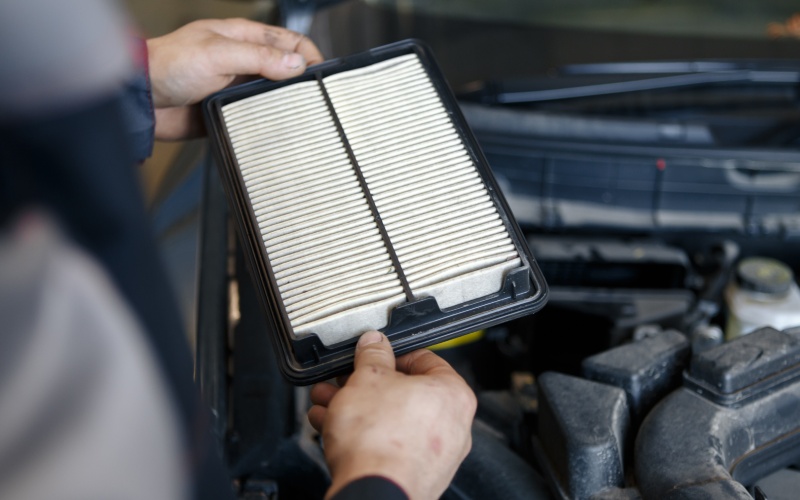
Sheboygan Quick Lube Plus – Cleaner Cabin Air and Stronger Defrost Around Sheboygan, WI
For many drivers, the cabin air filter goes unnoticed until airflow weakens or a musty scent appears on startup. Yet this modest, rectangular filter shapes every minute you spend behind the wheel—how quickly your windshield clears, how clean the air feels, and how quietly the blower motor runs. Around the lakeshore, airflow matters even more. Lake Michigan’s humidity, seasonal pollen, dust from construction detours, and wintertime road treatments all test the filter’s capacity. A fresh, properly matched filter restores steady airflow, reduces odors, and helps protect the HVAC system from the grime that can impact longevity and noise levels.
Think of the cabin filter as a companion to defrost performance. When the media is clean and air paths are open, your windshield clears faster because the system moves more air across the glass. On rainy or chilly mornings, that difference becomes noticeable. If you are turning the fan to its highest setting just to keep fog at bay, it is time to check the condition. Because access varies by model—often behind the glovebox or at the base of the windshield—professional service ensures trim pieces are handled carefully, and the airflow arrow is oriented correctly.
Why the Right Media Matters
Cabin filters come in two common styles: standard particulate and activated carbon. Standard media focuses on catching dust, pollen, and fine debris. Carbon-enhanced media adds a layer that helps reduce certain odors from agriculture, diesel exhaust, or industrial corridors. If you park outdoors, share rides with pets, or commute past heavy traffic, a carbon filter can reduce lingering smells inside the cabin. The best choice depends on your priorities—maximum dust and pollen control, odor reduction, or a balance of both. Selecting the right filter starts with understanding where and how you drive most.
Filter quality and construction also matter. Consistent pleat spacing maintains airflow as debris accumulates, while a sturdy frame prevents warping under the glovebox door or cowl. A precise seal keeps unfiltered air from bypassing the media. Over time, cheaper filters can collapse or deform, which undermines performance. Investing in a well-constructed filter supports quieter operation and more stable airflow across all fan speeds.
Everyday Clues Your Cabin Filter Needs Attention
- Persistent odors: Musty or sour scents at startup often signal trapped moisture and organic material within the pleats.
- Weak airflow: If you consistently run higher fan speeds to feel airflow, media may be saturated or blocked by debris.
- Noisy blower: Whistling or whooshing at the vents suggests restricted flow or a distorted filter frame.
- Stubborn fog: Slower defrost or recurring window haze indicates insufficient air volume across the glass.
- Visible debris: Leaves, seeds, or grit on the old filter are clear signs it’s time to replace.
Any one of these hints warrants a check. Adding a quick inspection to your oil change routine is efficient and gives you a condition-based answer instead of a guess based on mileage alone. Because local routes vary—from downtown errands to county road commutes—real-world loading can swing widely among identical vehicles.
Protecting the HVAC System
A clean cabin filter does more than improve air quality—it helps protect the evaporator core from dust that can cling to fins and trap moisture. That grime layer can encourage odor-causing growth and force the blower to work harder. Over time, the result is more noise, less comfort, and unnecessary strain. Replacing the filter before it is fully saturated helps keep the system clean and efficient. Pairing replacement with a brief evaporator deodorizer service may also help when odors persist after a new filter is installed.
Proper installation is essential. The airflow arrow must align with the actual flow direction, and the element must sit squarely in its track. A cocked or bent filter invites bypass and uneven flow, which can cause vent noise and reduce effectiveness. Attention to these details pays off with quieter operation and consistent comfort.
Timing Your Replacement
Owner’s manuals provide a baseline interval, but Sheboygan’s mix of humidity, coastal breezes, and seasonal debris can shorten that timeline. If your vehicle spends time parked under trees, or you frequently drive near construction or unpaved shoulders, consider more frequent inspections. A simple light test—holding the old filter up to a bright source—reveals how much capacity remains. If little light passes through, the media is loaded and ready for replacement.
When planning maintenance, think seasonally by workload rather than the calendar. After a heavy pollen spell or a roadwork-filled summer, a fresh filter can reset airflow and odor control just when you need it most. Aligning this with an oil change makes life easier and helps you maintain consistent records.
We believe maintenance decisions should be grounded in what your vehicle shows today, not a generic number. A quick visual inspection, a conversation about your driving routes, and the right filter choice keep the HVAC system breathing freely. That means a quieter cabin, faster defrost, and less dust across your dash and screens—benefits you notice immediately.
When you are ready to refresh cabin airflow, our team is happy to help with the right media, careful installation, and practical timing that fits your routine. Sheboygan Quick Lube Plus is serving Sheboygan with convenient, no-appointment service lanes that respect your schedule and keep you moving.
Request more information
Connect with us

