

Providing Quality Oil Change Service for Any Make or Model!
Sheboygan Quick Lube Plus – Readiness Monitors and Efficient Emissions Visits for Sheboygan, WI Drivers
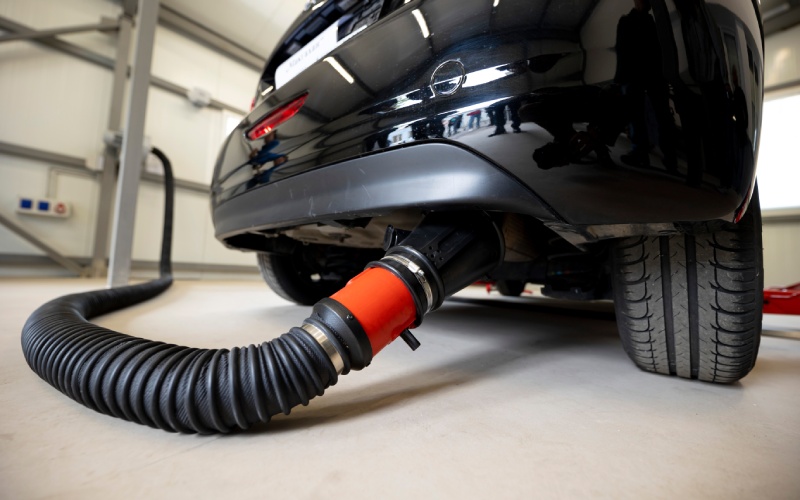
When your vehicle is due for an emissions inspection, readiness monitors and check engine status determine whether you pass on the first try or face a retest. Readiness monitors are self-checks your engine and emissions systems perform over normal driving. If you recently replaced a battery, cleared codes, or performed repairs, those monitors reset and must relearn. The fastest path to a pass is simple: complete a balanced drive cycle before you test. That typically means a mix of steady highway cruising and city stop-and-go, so the powertrain control module confirms proper operation across temperature, speed, and load ranges. If any emissions-related trouble code is active — usually shown by a check engine light — address it prior to your visit.
Because many failures are avoidable, a practical pre-test routine saves time. Start by confirming the check engine light is off, then ensure your gas cap seals firmly to prevent evaporative emissions leaks. Aim for a fuel level between roughly one-quarter and three-quarters full so system checks can be completed as designed. If you just finished repairs, allow several trips for monitors to complete; do not clear codes immediately before your appointment, and avoid disconnecting the battery. Bring your renewal notice or your plate and vehicle details so administrative steps happen quickly after a pass. A few minutes of preparation lead to a cleaner, quicker visit and reduce the chance of a second trip.
- Check Engine Light: Resolve emissions-related fault codes before testing; an active light commonly prevents a pass.
- Monitor Completion: Drive both highway and city routes so the system can confirm catalyst, oxygen sensor, and evaporative checks.
- Fuel Level: Keep the tank between about one-quarter and three-quarters to help evaporative self-tests run.
- Gas Cap Seal: Tighten until it clicks; replace a worn cap to avoid a leak-related failure.
- Documentation: Bring your renewal notice or plate/vehicle info to finish registration after a pass.
- Timing: Test during posted hours and plan for ffirst-come first-served queuing.
After a failure, use the inspection readout as a roadmap. If monitors are incomplete, prioritize a thorough drive cycle that includes steady speeds, gentle accelerations, a full warm-up, and short idle periods. If you received a code for an oxygen sensor, catalytic efficiency, or evaporative leak, address root causes rather than simply clearing the code; the system will relearn and report the same fault if the issue persists. Consider pairing routine maintenance with your preparation: a clean engine air filter supports proper fuel trim, and new spark plugs at the recommended interval help keep combustion efficient. If you have questions about specific fault codes, bring your notes to your next visit so the staff can point you to the right next steps after the retest.
Sheboygan Quick Lube Plus emphasizes practical guidance and efficient lane flow so you can complete testing and, when eligible, handle registration immediately afterward. Our team prioritizes clarity at every step — from arrival to results. With predictable procedures, courteous staff, and focused pre-test tips, you can approach inspection day with confidence. By preparing your vehicle, confirming monitor completion, and organizing your documents, you will likely move through the line quickly and leave with your compliance checked off and your schedule intact. That is the balance every driver appreciates — a smooth visit and evidence that your vehicle’s emissions systems are doing their job.
Request more information
Connect with us

