

Providing Quality Oil Change Service for Any Make or Model!
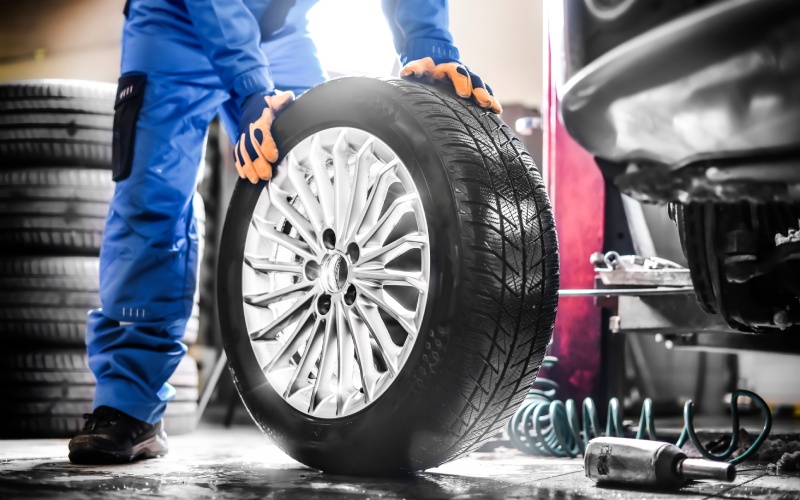
Sheboygan Quick Lube Plus – Pothole Season Wheel Alignment Guide for Sheboygan, WI, Drivers
Wisconsin’s freeze-thaw cycles are hard on pavement and even harder on suspension geometry. When a tire plunges into a pothole or rides up a sharp edge, the jolt can nudge camber, caster, or toe out of specification. The result is a vehicle that no longer tracks straight, a steering wheel that drifts off-center, and tires that begin to show uneven or rapid wear. Catching these changes early helps you avoid avoidable tire replacement and restores the calm, confident road feel you expect on daily routes across Sheboygan.
Alignment is about how your tires meet the road. Camber governs the inward or outward tilt of the tire and affects how the tread loads in corners. Caster influences straight-line stability and steering return. Toe describes the direction tires point relative to each other and is a major driver of tread scrub at highway speeds. A pothole strike can shift one or more of these angles by fractions of a degree — small on paper, but big enough to generate noise, wear, and wandering. After any harsh impact, treat an alignment check like insurance for your tires and steering components.
- Vehicle pulls to one side on a level road
- Steering wheel is off-center when driving straight
- Inside or outside shoulder wear on one or more tires
- Feathered tread blocks or cupping noise over smooth pavement
- New tires are wearing unevenly despite regular rotations
If you feel a hit, a few simple steps can prevent additional damage and help your alignment specialist diagnose efficiently.
- Safely pull over and visually inspect tires and wheels for cuts, bulges, or bends.
- Note any new vibration, pull, or noise that starts after the impact.
- Check tire pressure once everything cools — a slow leak can mask alignment clues.
- Schedule an alignment check and mention exactly where and how the impact occurred.
- Ask for before-and-after measurements to confirm geometry is back to spec.
Not every vehicle needs the same alignment approach. Many platforms benefit from a four-wheel alignment that sets the rear first and references the front to the thrust line. Trucks with solid rear axles and certain SUVs may allow different ranges of adjustment. If a component is bent or a bushing is excessively worn, proper alignment will not hold for long — addressing that root cause is essential to protect tires and steering feel. Alignment success also depends on proper tire pressure, wheel balance, and true wheels. Think of these as a system: geometry, roundness, and inflation work together to deliver quiet, even tread contact.
As seasons change, it is smart to add a quick alignment check to your maintenance plan. Pairing geometry verification with regular oil service and tire rotations improves tread life, braking stability, and fuel economy. Transparent measurement reports help you plan ahead and avoid surprises. When you need guidance you can trust, Sheboygan Quick Lube Plus provides clear explanations and practical recommendations tailored to your vehicle. Our team is committed to serving Sheboygan with convenient service that keeps drivers moving with confidence, from winter frost heaves to spring construction zones. A few millimeters at the curb can mean miles of extra tire life — make alignment part of your road-ready routine.
Request more information
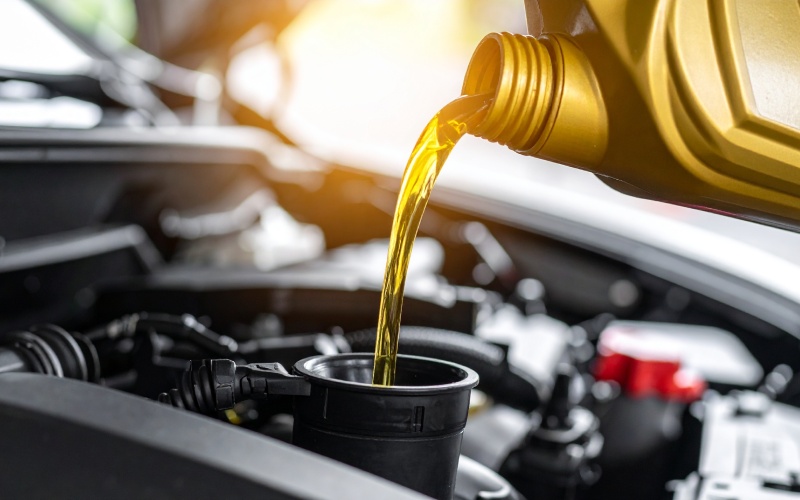
Sheboygan Quick Lube Plus – Choosing Full Synthetic Oil for Cold Starts around Sheboygan, WI
When temperatures drop, and engines face repeated cold starts, oil chemistry makes a measurable difference in wear protection and drivability. Full synthetic oil maintains viscosity better at low temperatures, circulates faster on startup, and resists high-heat oxidation when your engine warms up. That means safer boundary lubrication in the first seconds after ignition and a stronger defense against deposits that can impede variable valve timing or turbocharger performance. If your commute is short or includes frequent stops, synthetics help stabilize protection despite limited warm-up time.
A practical way to decide between synthetic, synthetic blend, and conventional is to examine your engine’s certification requirements and your true driving conditions. Many modern vehicles specify synthetic for turbo or direct-injected designs, while others allow flexibility. For drivers who tow, idle in traffic, or encounter wide temperature swings, synthetic oil’s shear resistance and film strength are decisive advantages. For lower-mileage vehicles that rarely see severe duty, a synthetic blend may balance performance with budget. Either way, the goal is the correct viscosity and certification for your make and model.
- Faster cold-flow: Reduces startup wear when oil is thickest and metal-to-metal contact risk is highest.
- Deposit control: Enhanced detergents and oxidation resistance keep critical oil passages cleaner for longer.
- High-temperature stability: Maintains viscosity under heavy loads, towing, or hot summer traffic.
- Turbocharger protection: Resists coking in high-heat bearings and improves long-term reliability.
- Extended intervals: When OEM-approved, synthetics can support longer service intervals without sacrificing protection.
To get the most from synthetic oil, pair it with a quality filter designed for your change interval. Look for robust media, a reliable anti-drainback valve for overnight protection, and correct bypass pressure for your engine. Consistency matters: follow an interval that matches your vehicle’s maintenance minder or owner’s manual, adjusted for short trips, towing, or frequent cold starts. Keep records of every service, including the oil specification and filter used. That documentation supports warranty compliance and gives you a clear baseline for future diagnostics.
Our team performs precise oil selection and installation, verifies levels after run-in, and resets maintenance indicators so your reminders stay accurate. We also check tire pressures, brakes, battery health, belts, and hoses during a multi-point inspection to help you spot issues before they strain your schedule or budget. Sheboygan Quick Lube Plus is serving Sheboygan with oil options and maintenance insights designed to keep engines cleaner, quieter, and ready for any season. When you want dependable cold-start protection and smoother daily driving, we are ready to help you choose, service, and track the right synthetic solution for your vehicle’s unique needs.
Request more information
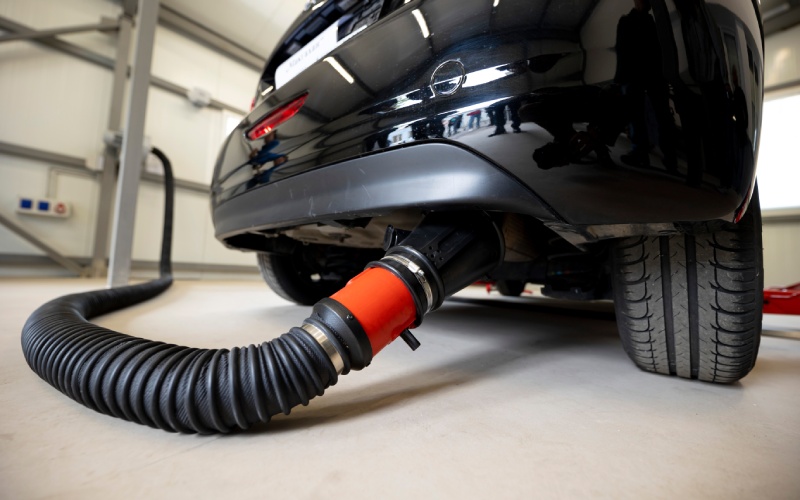
Sheboygan Quick Lube Plus – Readiness Monitors and Efficient Emissions Visits for Sheboygan, WI Drivers
When your vehicle is due for an emissions inspection, readiness monitors and check engine status determine whether you pass on the first try or face a retest. Readiness monitors are self-checks your engine and emissions systems perform over normal driving. If you recently replaced a battery, cleared codes, or performed repairs, those monitors reset and must relearn. The fastest path to a pass is simple: complete a balanced drive cycle before you test. That typically means a mix of steady highway cruising and city stop-and-go, so the powertrain control module confirms proper operation across temperature, speed, and load ranges. If any emissions-related trouble code is active — usually shown by a check engine light — address it prior to your visit.
Because many failures are avoidable, a practical pre-test routine saves time. Start by confirming the check engine light is off, then ensure your gas cap seals firmly to prevent evaporative emissions leaks. Aim for a fuel level between roughly one-quarter and three-quarters full so system checks can be completed as designed. If you just finished repairs, allow several trips for monitors to complete; do not clear codes immediately before your appointment, and avoid disconnecting the battery. Bring your renewal notice or your plate and vehicle details so administrative steps happen quickly after a pass. A few minutes of preparation lead to a cleaner, quicker visit and reduce the chance of a second trip.
- Check Engine Light: Resolve emissions-related fault codes before testing; an active light commonly prevents a pass.
- Monitor Completion: Drive both highway and city routes so the system can confirm catalyst, oxygen sensor, and evaporative checks.
- Fuel Level: Keep the tank between about one-quarter and three-quarters to help evaporative self-tests run.
- Gas Cap Seal: Tighten until it clicks; replace a worn cap to avoid a leak-related failure.
- Documentation: Bring your renewal notice or plate/vehicle info to finish registration after a pass.
- Timing: Test during posted hours and plan for ffirst-come first-served queuing.
After a failure, use the inspection readout as a roadmap. If monitors are incomplete, prioritize a thorough drive cycle that includes steady speeds, gentle accelerations, a full warm-up, and short idle periods. If you received a code for an oxygen sensor, catalytic efficiency, or evaporative leak, address root causes rather than simply clearing the code; the system will relearn and report the same fault if the issue persists. Consider pairing routine maintenance with your preparation: a clean engine air filter supports proper fuel trim, and new spark plugs at the recommended interval help keep combustion efficient. If you have questions about specific fault codes, bring your notes to your next visit so the staff can point you to the right next steps after the retest.
Sheboygan Quick Lube Plus emphasizes practical guidance and efficient lane flow so you can complete testing and, when eligible, handle registration immediately afterward. Our team prioritizes clarity at every step — from arrival to results. With predictable procedures, courteous staff, and focused pre-test tips, you can approach inspection day with confidence. By preparing your vehicle, confirming monitor completion, and organizing your documents, you will likely move through the line quickly and leave with your compliance checked off and your schedule intact. That is the balance every driver appreciates — a smooth visit and evidence that your vehicle’s emissions systems are doing their job.
Request more information
Hello world!
Welcome to WordPress. This is your first post. Edit or delete it, then start writing!
Connect with us

