
Sheboygan Quick Lube Plus

Providing Quality Oil Change Service for Any Make or Model!

Blog / Service Dealer

Tread Depth Checks for Confident Driving around Howards Grove, WI

tires-2
Tread Depth Checks for Confident Driving around Howards Grove, WI

Sheboygan Quick Lube Plus - Tread Depth Checks for Confident Driving around Howards Grove, WI

Tread depth is one of the most important tire health indicators, yet it is easy to overlook until a vehicle starts slipping, vibrating, pulling, or taking longer to stop. For drivers around Howards Grove, WI, daily travel can include neighborhood roads, county highways, school traffic, work commutes, and trips into Sheboygan for shopping or service. That variety makes tire condition more than a small maintenance detail. Good tread helps a tire grip the road, channel moisture away from the contact patch, respond predictably during steering, and support stable braking. When tread becomes shallow or uneven, the vehicle may still move down the road, but the margin of control becomes smaller.

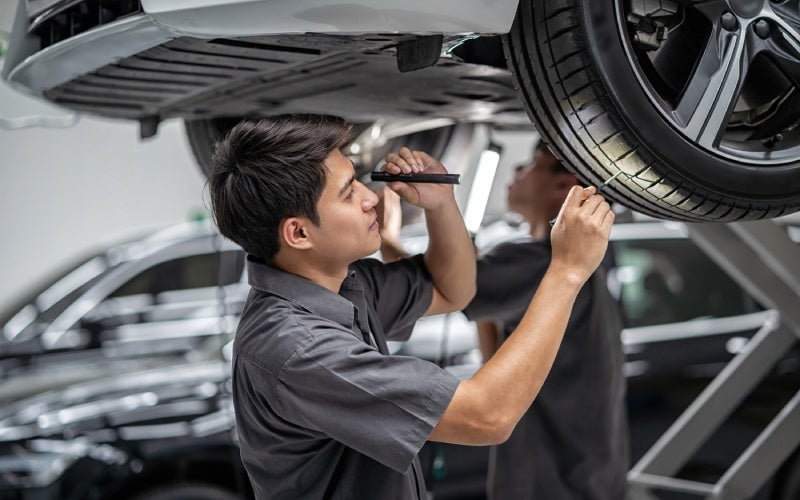
A tread depth check is useful because it turns tire condition into something measurable. Instead of relying only on appearance, a technician can look at tread depth across multiple grooves, compare the inner and outer edges, and identify patterns that suggest a larger issue. The goal is not simply to say whether a tire is worn. The better goal is to understand why it is wearing that way and what can be done to protect the next set of tires. At our service center, we connect tire inspections with tire pressure checks, rotations, alignment awareness, and overall vehicle maintenance, so drivers receive practical information instead of guesswork.

Why Tread Depth Matters

Tires work through contact with the road, and tread design helps manage that contact. As tread wears, the tire loses some of its ability to maintain grip and move water away from the surface. A tire with deeper, even tread generally provides better stability than one with shallow or irregular tread. However, depth is only part of the story. If the inner edge of a tire is much lower than the outer edge, the driver may not see the problem during a quick walkaround. That type of hidden wear can affect handling and may indicate alignment concerns.

Tread depth also affects how a vehicle feels. A worn tire may create more road noise, reduce steering response, or make the vehicle feel less planted through curves and lane changes. Drivers might notice vibration through the steering wheel or seat, especially at higher speeds. While vibration can come from several sources, tire wear and tire balance are common items to check. Addressing these symptoms early can help prevent additional wear and improve everyday confidence behind the wheel.

Common Tread Wear Patterns to Watch

  • Center wear: Often linked to overinflation or driving habits that concentrate contact in the middle of the tread.
  • Shoulder wear: May point to underinflation, frequent cornering stress, or suspension and alignment concerns.
  • One-edge wear: Can indicate wheel alignment issues, especially camber or toe settings outside specification.
  • Cupping or scalloping: May be associated with worn suspension components, imbalance, or irregular road contact.
  • Feathering: Often felt as a rough edge across tread blocks and may suggest toe alignment concerns.

These patterns matter because replacing tires without correcting the cause can lead to repeated wear. For example, if one edge of the tire is wearing faster because the alignment is off, a new tire may begin wearing the same way soon after installation. If shoulder wear is caused by low pressure, better inflation habits can help protect the next set. A professional tire check can help separate normal tread wear from a pattern that needs attention.

How Often Should Drivers Check Tread Depth?

A simple visual check can be done regularly at home, but a more complete inspection is valuable during routine maintenance. Pairing a tire review with an oil change or multi-point inspection is efficient because the vehicle is already being serviced. Our 27-point courtesy inspection process can include tire pressure, tire condition, and other major vehicle systems, helping drivers stay aware of developing concerns. This is especially helpful for busy households where a vehicle is used by more than one driver and tire feedback may not be noticed right away.

It is also smart to check tread depth before longer drives, after hitting a significant pothole, when a tire repeatedly loses air, or whenever steering feel changes. Drivers should also pay attention after installing new tires. New tread should wear evenly when pressure, rotation, and alignment are properly managed. If unusual wear appears early, a timely inspection can protect the remaining tread life.

Rotation and Alignment Help Tread Last Longer

Tire rotation helps distribute wear because front and rear tires often do different jobs. On many vehicles, front tires handle more steering and braking forces, so leaving tires in one position too long can create uneven tread depth. Rotation patterns vary by vehicle, tire type, and drivetrain, but the purpose is consistent: help tires wear more evenly and support balanced handling.

Alignment is another important part of tread protection. Proper alignment helps the tires make uniform contact with the road. Misalignment can cause pulling, off-center steering, and fast edge wear. A vehicle can be out of alignment even if it still drives reasonably straight, so visible tire wear may be the first clue. When tread wear suggests an alignment issue, checking wheel angles can help prevent premature tire replacement.

Steps for a Smarter Tire Health Routine

  1. Check pressure regularly: Use the recommended pressure listed for the vehicle, not the maximum pressure printed on the tire sidewall.
  2. Look at all four tires: Inspect inner and outer edges, not just the visible outside shoulder.
  3. Schedule rotations: Follow a consistent tire rotation routine based on the vehicle and tire type.
  4. Respond to symptoms: Vibration, pulling, noise, or repeated air loss should be checked promptly.
  5. Ask about alignment: If tread wear is uneven, an alignment inspection may help identify the cause.

Building these habits can make tire ownership simpler. Instead of waiting until a tire looks obviously worn, drivers can track condition over time and plan service before a problem becomes inconvenient. A little attention to tread depth, pressure, and rotation can support better ride quality, steadier handling, and more predictable performance.

Frequently Asked Questions:

Can tread look fine but still be unsafe?

Yes. A tire can look acceptable from one angle while the inner edge is worn, cracked, or damaged. That is why a complete inspection across the tread face and sidewall is important.

Does uneven tread always mean I need new tires?

Not always. The tire may still have usable tread, but the cause of the uneven wear should be identified. Pressure correction, rotation, balancing, or alignment service may be recommended depending on the condition.

Should tread depth be checked on all four tires?

Yes. Tires can wear at different rates based on position, drivetrain, alignment, and driving habits. Checking all four gives a more accurate picture of vehicle condition.

What should I do if my vehicle vibrates at highway speed?

Have the tires inspected for tread wear, damage, inflation, and balance. If the tires appear unevenly worn, alignment and suspension components may also need attention.

For drivers around Howards Grove, WI, tread depth checks are a simple way to make vehicle care more proactive. Tires affect braking, steering, comfort, efficiency, and overall confidence, so keeping track of tread condition is worth the effort. Our team can help review your tire condition during routine maintenance, explain visible wear patterns, and recommend next steps based on your vehicle and driving needs. If your tires are wearing unevenly, losing air, making noise, or simply reaching the point where replacement is on your mind, we are ready to help with clear guidance and practical service support.
Request more information

Posted in:

Recommended Posts

battery-3

Battery and Fluid Checks for Plymouth, WI Winter Readiness

Sheboygan Quick Lube Plus - Battery and Fluid Checks for Plymouth, WI Winter Readiness Winter readiness is often discussed in terms of tires, oil, and wiper blades, but battery and fluid checks deserve just as much attention. For Plymouth, WI drivers who travel through downtown streets, rural roads, school zones, and highway routes toward Sheboygan or Fond du Lac, a dependable start and consistent system performance can make a meaningful difference. Cold temperatures can reduce battery output, while thicker fluids, road salt, and frequent short trips can place extra demand on the vehicle. A battery that seemed acceptable in mild weather may struggle when the temperature drops, especially if the vehicle sits outside overnight or is used mostly for short errands. Fluids also support systems that drivers rely on every day, including engine cooling, braking, windshield cleaning, and power-assisted operation in applicable vehicles. When one of those fluids is low, contaminated, or overdue for service, the vehicle may still run, but reliability and performance can decline. At Sheboygan Quick Lube Plus, our approach to routine care includes practical inspection points that help drivers understand vehicle condition before a problem interrupts the day. Our 27-point courtesy inspection reviews major systems, fluids, air filter, battery, tire pressure, tire condition, brake lines and hoses, and other important items. This matters because winter problems rarely come from one isolated component. A weak battery, dirty engine air filter, low tire pressure, old wiper blades, and poor washer fluid level can combine to make a vehicle feel less dependable. A structured maintenance visit gives you a better picture of what is working well and what may need attention soon. That helps you make informed decisions without waiting for warning lights, slow cranking, poor visibility, or changing brake feel. Why Battery Health Matters More in Cold Weather A battery works harder in cold temperatures because chemical reactions inside the battery slow down, reducing available power. At the same time, the engine may require more effort to crank. This creates a demanding moment every time you turn the key or press the start button. If the battery is older, weak, corroded at the terminals, or repeatedly drained by short trips, cold weather can reveal the issue quickly. Plymouth-area driving can include short commutes, quick stops, and parked time in open lots, all of which can limit the battery’s ability to recover between starts. A battery check helps identify low charge, visible corrosion, or warning signs that deserve attention. Drivers often ask whether a slow start always means the battery is failing. Not always. Slow cranking can also relate to cold oil, charging system concerns, or poor electrical connections. Still, the battery is one of the first items worth checking because it directly affects whether the vehicle starts. During a winter prep visit, it is smart to mention recent symptoms, such as dim interior lights during startup, clicking sounds, delayed cranking, or a battery warning light. Even small observations can help narrow down what should be inspected next. Key Fluids to Review Before Temperatures Drop Vehicle fluids do much more than fill reservoirs. Fluids lubricate, cool, clean, transfer force, prevent corrosion, and support safe operation. When fluid is low or degraded, the system it protects may work harder or respond less consistently. Oil is especially important because it lubricates moving engine parts and helps remove contaminants during routine service. Coolant helps regulate engine temperature and protect against freezing when properly mixed. Brake fluid supports hydraulic braking performance, while washer fluid helps maintain visibility when road spray coats the windshield. During winter, visibility and stopping confidence are central to safe driving, so fluid checks should not be skipped. Engine oil: Clean oil helps protect internal parts, reduce wear, and support smoother cold starts when the correct oil type is used. Coolant: Proper coolant condition helps regulate engine temperature and provides freeze protection when the mixture is appropriate. Brake fluid: Brake fluid transfers pedal force through the hydraulic system, so level and condition should be monitored. Washer fluid: Winter-ready washer fluid supports clear visibility when salt, slush, and road grime collect on the glass. Power steering or transmission fluid: Applicable vehicles rely on proper fluid condition for smooth operation and system protection. How a 27-Point Inspection Supports Winter Confidence A 27-point courtesy inspection is valuable because it connects the dots between maintenance items that influence reliability. Rather than focusing only on one service, the inspection looks across several major areas of the vehicle. Tire pressure is reviewed because cold air can lower pressure and affect tread contact. Tire condition is reviewed because worn tread can reduce grip. The air filter is checked because restricted airflow can affect performance and efficiency. Battery condition is reviewed because starting power matters most when temperatures fall. Brake lines and hoses are inspected because safe stopping depends on more than brake pads alone. This kind of review is especially helpful when your vehicle has mixed use. A vehicle that handles weekday commuting, weekend errands, school drop-offs, and occasional highway trips can experience different stress points. Short trips may not allow the engine and charging system to fully warm and recover. Highway driving can reveal vibration, tire imbalance, or alignment concerns. Stop-and-go traffic can put more demand on brakes. A winter prep inspection helps you understand how the vehicle is responding to real-world use around Plymouth, Kohler, Sheboygan Falls, and nearby communities. Signs Your Battery or Fluids Need Attention Many winter maintenance concerns give warning signs before a breakdown occurs. Paying attention to those signs can help you schedule service at a convenient time rather than reacting to an unexpected issue. A vehicle that cranks slowly, needs jump-start assistance, or shows dim lights at startup may need a battery or charging system review. A sweet smell, rising temperature gauge, or visible coolant residue may point to a coolant issue. A soft brake pedal, low brake fluid, or visible seepage around lines and hoses should be addressed promptly. If washer fluid runs out quickly or fails to spray properly, visibility can be compromised when roads are messy. Notice the symptom: Slow starts, streaky glass, low fluid levels, unusual smells, or changing pedal feel should be taken seriously. Check the basics: Look for obvious low reservoirs, worn wipers, dashboard alerts, or visible corrosion around battery terminals. Schedule a maintenance review: A professional inspection helps confirm what needs attention and what can be monitored. Keep records: Service history helps determine oil change timing, filter replacement needs, and future maintenance planning. Practical Planning for Plymouth, WI Drivers Good winter prep does not need to feel complicated. The best time to review battery condition, fluids, tires, filters, and wipers is before a busy travel week, before a long highway trip, or when your mileage indicates service is due. Sheboygan Quick Lube Plus offers oil changes for any make or model, with conventional, semi-synthetic, full synthetic, and diesel oil available based on vehicle requirements. No appointment is necessary for many quick lube services, which is helpful when your schedule changes or a maintenance light appears at an inconvenient time. If you prefer a specific date and time, scheduling may also be available. When you arrive for service, it helps to share how the vehicle is used. A daily commuter may need a different maintenance conversation than a vehicle used for short local errands or longer weekend trips. Mention any recent symptoms, even if the issue seems minor. A slow start last week, a low tire pressure warning, wiper chatter, or reduced defrost airflow can all guide a more useful inspection. Our goal is to help you understand the vehicle’s condition and make maintenance decisions with confidence. Frequently Asked Questions: How often should my battery be checked? A battery check is useful before winter, before long trips, or anytime you notice slow cranking, clicking at startup, dim lights, or a battery warning indicator. Can low washer fluid really affect safety? Yes. Salt spray, slush, and road grime can quickly reduce visibility. Keeping washer fluid filled with an appropriate winter formula helps keep the windshield clearer. Does an oil change include other checks? At Sheboygan Quick Lube Plus, service includes a 27-point courtesy inspection, tire pressure check, and a review of important maintenance items to help identify potential concerns. Why does tire pressure drop in winter? Cold air causes tire pressure to decrease. Low pressure can affect handling, tread wear, fuel efficiency, and overall driving confidence. Should I wait for a warning light before scheduling service? No. Preventive service can identify low fluids, weak battery condition, worn wipers, filter concerns, and tire issues before a dashboard light appears. Battery and fluid checks are a smart part of winter prep because each item supports daily dependability. When combined with oil service, tire pressure checks, filter reviews, wiper blade inspection, and a 27-point courtesy inspection, those checks provide a more complete picture of readiness. If your vehicle is due for routine maintenance or showing small signs of winter strain, a quick visit can help you get ahead of concerns and keep your driving routine smoother. Request more information

wipers-2

Why Wiper Blades Matter More Than Many Sheboygan Falls, WI Drivers Realize

Sheboygan Quick Lube Plus - Why Wiper Blades Matter More Than Many Sheboygan Falls, WI Drivers Realize Wiper blades are easy to overlook until visibility becomes a problem. For drivers around Sheboygan Falls, WI, clear glass matters on everyday routes such as Highway 23, County Road PP, school drop-off lanes, industrial park commutes, and weekend drives toward Sheboygan or Plymouth. Even when road conditions are otherwise normal, worn wipers can leave streaks, chatter across the windshield, skip over sections of glass, or fail to clear road spray. That creates eye strain and can make it harder to see lane markings, brake lights, pedestrians, cyclists, or turning traffic. Because blades are exposed to sun, moisture, grit, road debris, and repeated use, the rubber naturally breaks down over time. A blade can look acceptable at first glance but still perform poorly when you need it most. That is why having wiper blades inspected during regular maintenance is a practical habit, not just a reaction to poor visibility. At Sheboygan Quick Lube Plus, we inspect wiper blades as part of service and can replace dry, cracked blades with quality blades in just minutes when needed. This is especially helpful for drivers who already plan to stop in for an oil change, tire pressure check, air filter review, cabin air filter service, or a 27-point courtesy inspection. Instead of making a separate trip or waiting until streaking becomes frustrating, you can address the issue during the same visit. Our approach is designed around convenience and safety, with no appointment necessary for many quick lube services. For busy households in Sheboygan Falls, that kind of simple maintenance can help keep daily transportation dependable without adding another complicated task to the calendar. Signs Your Wiper Blades Should Be Replaced Streaking: Lines or smears remain on the windshield after each pass, even when washer fluid is used. Skipping: The blade jumps across the glass instead of maintaining steady contact. Chattering: A noisy vibration occurs as the wiper moves, often because the rubber edge has hardened or warped. Splitting: Visible cracks, tears, or separated rubber show that the blade can no longer clear the windshield properly. Poor edge contact: Parts of the blade miss the glass, leaving wet patches directly in your field of view. These symptoms usually develop gradually. A driver may adjust by leaning forward, increasing wiper speed, or using extra washer fluid, but those are temporary workarounds rather than solutions. If the blade edge is damaged, it cannot properly sweep the windshield no matter how often it is activated. Drivers in Sheboygan Falls often move between small-city streets, rural roads, and busier corridors leading into Sheboygan, and each setting can put different debris on the windshield. Dust, tree pollen, road film, and fine grit can all reduce wiping quality. Replacing worn blades helps restore a clean sweep and can also reduce unnecessary strain on the wiper system because the blades move more smoothly across the glass. Why Wiper Checks Pair Well With Routine Maintenance Wiper blade replacement is one of the simplest vehicle services to combine with regular maintenance. When you visit for an oil change, technicians are already reviewing important items that support safe and reliable driving. Sheboygan Quick Lube Plus provides oil changes for any make or model and carries traditional oil types including conventional and full synthetic, with recommendations based on make, model, and mileage. Service also includes a 27-point courtesy inspection, tire pressure check, and a car wash if wanted. That inspection process can include major systems, fluids, air filter, battery, tire pressure, tire condition, brake lines, hoses, and related items. Adding a wiper blade check fits naturally into that broader review. This matters because vehicle maintenance is easier to manage when small needs are identified early. Many drivers remember oil changes because mileage reminders or dashboard alerts prompt action. Wiper blades, cabin air filters, and engine air filters may not provide the same obvious reminder, even though each affects comfort, performance, visibility, or efficiency. By grouping these inspections together, you reduce the chance of forgetting a maintenance item until it becomes inconvenient. If your current blades are still in good condition, you can keep driving with confidence. If the blades are dry, cracked, or leaving streaks, replacement can usually be handled quickly so you leave with a clearer windshield and fewer distractions on the road. Choosing Practical Vehicle Care Near Sheboygan Falls Drivers searching for wiper blade replacement near Sheboygan Falls, WI are often looking for a quick answer: can the blades be checked today, can replacement be handled without hassle, and can it be done while other service is completed? Our quick lube process is built for that type of need. We serve Sheboygan and surrounding communities, and whether your vehicle was purchased from Sheboygan Auto Group or elsewhere, you are welcome to visit for quality service. No appointment is necessary for many services, and scheduling is available for drivers who prefer a planned time. That flexibility helps commuters, parents, students, and local business owners keep vehicles ready for the road. Good wiper blades are not just about comfort. They support safer decision-making by keeping your view clear during changing road conditions, early morning condensation, washer fluid use, and normal roadway spray. If you notice streaks, squeaks, missed areas, or rough blade movement, it is worth having the blades inspected instead of waiting for visibility to worsen. Sheboygan Quick Lube Plus can help with wiper blades, oil changes, tire rotations, alignment checks, engine air filters, cabin air filters, and multi-point inspections, all with a focus on making maintenance convenient and seamless. When your vehicle needs attention, stop in and let our skilled technicians help you get back on the road with confidence. Request more information

oil-change-2

Oil Change and Tire Wear Checkpoints for Daily Driving near Kohler, WI

Sheboygan Quick Lube Plus - Oil Change and Tire Wear Checkpoints for Daily Driving near Kohler, WI If you live or work near Kohler, WI, your vehicle probably does a mix of short local trips, quick errands around the village, commutes into Sheboygan, and highway driving on nearby routes like I-43 or WI-23. That kind of driving can be harder on oil, tires, filters, and fluids than many drivers realize. Short trips may not always give the engine enough time to fully warm up, while highway miles can add wear steadily in the background. At Sheboygan Quick Lube Plus, we help drivers stay ahead of those small maintenance needs before those needs turn into bigger concerns. Our quick lube facility at 2611 Washington Ave in Sheboygan is convenient for Kohler-area drivers who want service without rearranging an entire day. No appointment is necessary for many quick lube services, so you can drive in when it fits your schedule. We service any make or model and provide oil changes, tire rotations, alignment checks, engine air filters, cabin air filters, wiper blades, emissions testing, and a 27-point courtesy inspection with service. For drivers searching for an oil change near Kohler, WI, the real value is not just fresh oil - it is having several important checkpoints reviewed during the same visit. Why Kohler-Area Driving Makes Routine Maintenance Important Kohler is close enough to Sheboygan that many drivers move between residential streets, business areas, school routes, shopping stops, and highway ramps in a single day. That stop-and-go rhythm can put repeated demand on engine oil, tires, brakes, and the battery. Even if you do not put on extremely high mileage, time and driving style still matter. Oil gradually collects contaminants, tires wear based on alignment and rotation habits, and filters become less effective as dust and debris build up. A common mistake is waiting until a dashboard light appears or a noise becomes obvious. Preventive maintenance is usually simpler when handled at regular intervals. During an oil change visit, our team can check tire pressure, look at tire condition, inspect major systems, and let you know if something deserves attention. This is especially helpful for drivers who split time between Kohler, Sheboygan Falls, Plymouth, and Sheboygan, where daily routes can include both city streets and faster county or state roads. Oil Change Choices: What Should You Use? Different engines have different oil requirements, and modern vehicles are often very specific about viscosity and oil type. At Sheboygan Quick Lube Plus, we provide conventional, semi-synthetic, full synthetic, and diesel oil options. Our technicians use the correct oil for your vehicle and can make recommendations based on make, model, mileage, and manufacturer guidance. If you are not sure whether your vehicle needs full synthetic or another oil type, we can help you confirm the right fit. Conventional oil: A traditional option for certain vehicles with manufacturer approval and appropriate maintenance intervals. Semi-synthetic oil: A blended option that may suit drivers looking for added protection compared with conventional oil. Full synthetic oil: A common choice for many newer vehicles and engines designed for enhanced protection and performance. Diesel oil: Formulated for diesel engines that require the correct oil specification for durability and proper operation. How often should you change your oil? The answer depends on the vehicle and the oil used. Some vehicles may need service around 3 months or 3,000 miles, while others may go closer to 1 year or 10,000 miles under the right conditions. If you are unsure, our team can help identify the recommendation that fits your vehicle instead of relying on a one-size-fits-all answer. Tire Rotation and Alignment Checks Help Protect Your Tread Oil changes get most of the attention, but tires deserve regular inspection too. If your commute from Kohler includes turning through neighborhood streets, merging onto the highway, parking frequently, or driving roads with uneven surfaces, your tires may not wear evenly from front to back. Tire rotation helps promote more uniform tread wear, which can support ride quality, traction, and fuel efficiency. Alignment is another key piece of the tire wear picture. Proper alignment helps all four tires make consistent contact with the road. When wheels are out of alignment, you may notice pulling, vibration, a crooked steering wheel, or rapid wear on one edge of a tire. Even slight misalignment can shorten tire life over time. At Sheboygan Quick Lube Plus, oil change service can include an alignment inspection, giving Kohler-area drivers a convenient way to check for warning signs before tire wear becomes severe. Pulling to one side: Your vehicle may drift left or right even when the steering wheel is held steady. Uneven tread wear: One tire or one edge of a tire may look more worn than the others. Steering wheel vibration: Shaking at certain speeds can point to tire, balance, or alignment concerns. Crooked steering wheel: The wheel may sit off-center while driving straight. Lower fuel efficiency: Increased rolling resistance from tire issues can affect how efficiently the vehicle moves. Filters, Wipers, and Visibility Checks During the Same Visit A quick maintenance visit is also a good time to check your engine air filter, cabin air filter, and wiper blades. The engine air filter helps prevent particles from entering the engine, which can support performance, fuel efficiency, engine life, and emissions control. If the filter is dirty or restricted, the engine may not breathe as efficiently as intended. The cabin air filter is different. It helps with airflow through the heating, ventilation, and air conditioning system and supports cleaner air inside the cabin. If airflow from the vents seems weaker than usual, if odors linger, or if the windows take longer to clear, the cabin air filter may be worth checking. Wiper blades matter too, especially for clear visibility during rain, road spray, and everyday windshield debris. Our team can inspect wiper blades and replace dry or cracked blades with quality blades in just minutes when needed. What the 27-Point Courtesy Inspection Adds to an Oil Change One of the biggest advantages of visiting Sheboygan Quick Lube Plus is that service includes a 27-point courtesy vehicle inspection. This inspection is designed to review major systems and keep you informed about changes or potential issues. It does not replace every type of diagnostic service, but it gives drivers a helpful maintenance snapshot during a routine visit. Fluids: Key vehicle fluids are reviewed so low or concerning levels can be brought to your attention. Air filter: The engine air filter is checked for dirt, restriction, or replacement needs. Battery: Battery condition is reviewed as part of the broader inspection process. Tire pressure: Tire pressure is checked because proper inflation affects safety, wear, and efficiency. Tire condition: Tread condition and visible tire concerns are reviewed during service. Brake lines and hoses: Important brake-related components are included among the inspection items. For Kohler drivers who are busy with work, family, errands, or appointments in Sheboygan County, this type of inspection can make maintenance more efficient. Instead of making separate stops for every concern, you can have several key items reviewed while your oil and filter service is completed. Emissions Testing for Kohler-Area Drivers Sheboygan Quick Lube Plus also provides Wisconsin emissions testing at our quick lube building. Emissions testing is available Monday through Friday from 8:00 AM until 4:30 PM, and no appointment is necessary. Drivers can use the far left lane, with testing handled on a first come, first served basis. If you need a required Wisconsin Vehicle Inspection Program test or registration renewal support, our location is convenient for Kohler, Sheboygan, Sheboygan Falls, and surrounding communities. If your vehicle recently had a dead battery, certain repairs, or a check engine light, it may be helpful to ask about readiness before testing. Some vehicles need to complete a drive cycle before emissions monitors are ready. Our team can help you understand the process so your visit is as smooth as possible. Simple Maintenance Plan for Drivers near Kohler, WI Check your oil change interval: Use your vehicle recommendation, oil type, mileage, and driving habits to decide when service is due. Rotate tires regularly: Tire rotations help even out tread wear and may improve long-term tire value. Ask for tire pressure checks: Proper inflation supports handling, tread life, and fuel efficiency. Review alignment symptoms: Pulling, vibration, and uneven wear can all signal the need for an alignment inspection. Inspect filters and wipers: Engine air filters, cabin air filters, and wiper blades all affect daily drivability. Use the 27-point inspection: A routine oil change is an efficient time to catch maintenance items early. Frequently Asked Questions: Do I need an appointment for an oil change near Kohler, WI? No appointment is necessary for many quick lube services at Sheboygan Quick Lube Plus. You can drive in for service, and we work to make the process convenient and efficient. How long does an oil change usually take? A standard oil change can take about 30 minutes to an hour depending on the vehicle and any added services. Because many services are first come, first served, wait times can vary. Can Sheboygan Quick Lube Plus service my vehicle if I did not buy it there? Yes. Whether you purchased your vehicle from Sheboygan Auto Group or somewhere else, you are welcome at Sheboygan Quick Lube Plus. We service any make or model. What is included with service? Service includes a thorough 27-point courtesy inspection, tire pressure check, and a car wash if wanted. Oil changes may also include tire rotation and alignment inspection as part of the service experience. Where is Sheboygan Quick Lube Plus located? We are located at 2611 Washington Ave, Sheboygan, WI 53081. Our location is a practical stop for drivers coming from Kohler, Sheboygan Falls, Plymouth, Howards Grove, Oostburg, Kiel, Cedar Grove, and nearby areas. When is emissions testing available? Wisconsin emissions testing is available Monday through Friday from 8:00 AM until 4:30 PM. Testing is closed Saturday and Sunday, and no appointment is necessary. For drivers near Kohler, WI, routine maintenance does not need to be complicated. A timely oil change, tire rotation, alignment inspection, filter check, and 27-point courtesy inspection can help you keep your vehicle safer, cleaner, and better prepared for daily driving. At Sheboygan Quick Lube Plus, our goal is to make vehicle maintenance convenient, thorough, and customer-focused so you can get back on the road with confidence. Request more information