
Sheboygan Quick Lube Plus - Battery and Fluid Checks for Plymouth, WI Winter Readiness
Winter readiness is often discussed in terms of tires, oil, and wiper blades, but battery and fluid checks deserve just as much attention. For Plymouth, WI drivers who travel through downtown streets, rural roads, school zones, and highway routes toward Sheboygan or Fond du Lac, a dependable start and consistent system performance can make a meaningful difference. Cold temperatures can reduce battery output, while thicker fluids, road salt, and frequent short trips can place extra demand on the vehicle. A battery that seemed acceptable in mild weather may struggle when the temperature drops, especially if the vehicle sits outside overnight or is used mostly for short errands. Fluids also support systems that drivers rely on every day, including engine cooling, braking, windshield cleaning, and power-assisted operation in applicable vehicles. When one of those fluids is low, contaminated, or overdue for service, the vehicle may still run, but reliability and performance can decline.
At Sheboygan Quick Lube Plus, our approach to routine care includes practical inspection points that help drivers understand vehicle condition before a problem interrupts the day. Our 27-point courtesy inspection reviews major systems, fluids, air filter, battery, tire pressure, tire condition, brake lines and hoses, and other important items. This matters because winter problems rarely come from one isolated component. A weak battery, dirty engine air filter, low tire pressure, old wiper blades, and poor washer fluid level can combine to make a vehicle feel less dependable. A structured maintenance visit gives you a better picture of what is working well and what may need attention soon. That helps you make informed decisions without waiting for warning lights, slow cranking, poor visibility, or changing brake feel.
Why Battery Health Matters More in Cold Weather
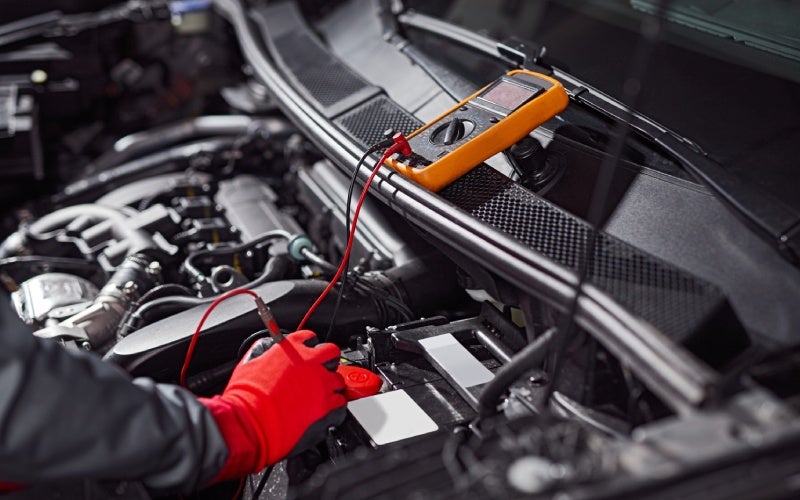
A battery works harder in cold temperatures because chemical reactions inside the battery slow down, reducing available power. At the same time, the engine may require more effort to crank. This creates a demanding moment every time you turn the key or press the start button. If the battery is older, weak, corroded at the terminals, or repeatedly drained by short trips, cold weather can reveal the issue quickly. Plymouth-area driving can include short commutes, quick stops, and parked time in open lots, all of which can limit the battery’s ability to recover between starts. A battery check helps identify low charge, visible corrosion, or warning signs that deserve attention.
Drivers often ask whether a slow start always means the battery is failing. Not always. Slow cranking can also relate to cold oil, charging system concerns, or poor electrical connections. Still, the battery is one of the first items worth checking because it directly affects whether the vehicle starts. During a winter prep visit, it is smart to mention recent symptoms, such as dim interior lights during startup, clicking sounds, delayed cranking, or a battery warning light. Even small observations can help narrow down what should be inspected next.
Key Fluids to Review Before Temperatures Drop
Vehicle fluids do much more than fill reservoirs. Fluids lubricate, cool, clean, transfer force, prevent corrosion, and support safe operation. When fluid is low or degraded, the system it protects may work harder or respond less consistently. Oil is especially important because it lubricates moving engine parts and helps remove contaminants during routine service. Coolant helps regulate engine temperature and protect against freezing when properly mixed. Brake fluid supports hydraulic braking performance, while washer fluid helps maintain visibility when road spray coats the windshield. During winter, visibility and stopping confidence are central to safe driving, so fluid checks should not be skipped.
- Engine oil: Clean oil helps protect internal parts, reduce wear, and support smoother cold starts when the correct oil type is used.
- Coolant: Proper coolant condition helps regulate engine temperature and provides freeze protection when the mixture is appropriate.
- Brake fluid: Brake fluid transfers pedal force through the hydraulic system, so level and condition should be monitored.
- Washer fluid: Winter-ready washer fluid supports clear visibility when salt, slush, and road grime collect on the glass.
- Power steering or transmission fluid: Applicable vehicles rely on proper fluid condition for smooth operation and system protection.
How a 27-Point Inspection Supports Winter Confidence
A 27-point courtesy inspection is valuable because it connects the dots between maintenance items that influence reliability. Rather than focusing only on one service, the inspection looks across several major areas of the vehicle. Tire pressure is reviewed because cold air can lower pressure and affect tread contact. Tire condition is reviewed because worn tread can reduce grip. The air filter is checked because restricted airflow can affect performance and efficiency. Battery condition is reviewed because starting power matters most when temperatures fall. Brake lines and hoses are inspected because safe stopping depends on more than brake pads alone.
This kind of review is especially helpful when your vehicle has mixed use. A vehicle that handles weekday commuting, weekend errands, school drop-offs, and occasional highway trips can experience different stress points. Short trips may not allow the engine and charging system to fully warm and recover. Highway driving can reveal vibration, tire imbalance, or alignment concerns. Stop-and-go traffic can put more demand on brakes. A winter prep inspection helps you understand how the vehicle is responding to real-world use around Plymouth, Kohler, Sheboygan Falls, and nearby communities.
Signs Your Battery or Fluids Need Attention
Many winter maintenance concerns give warning signs before a breakdown occurs. Paying attention to those signs can help you schedule service at a convenient time rather than reacting to an unexpected issue. A vehicle that cranks slowly, needs jump-start assistance, or shows dim lights at startup may need a battery or charging system review. A sweet smell, rising temperature gauge, or visible coolant residue may point to a coolant issue. A soft brake pedal, low brake fluid, or visible seepage around lines and hoses should be addressed promptly. If washer fluid runs out quickly or fails to spray properly, visibility can be compromised when roads are messy.
- Notice the symptom: Slow starts, streaky glass, low fluid levels, unusual smells, or changing pedal feel should be taken seriously.
- Check the basics: Look for obvious low reservoirs, worn wipers, dashboard alerts, or visible corrosion around battery terminals.
- Schedule a maintenance review: A professional inspection helps confirm what needs attention and what can be monitored.
- Keep records: Service history helps determine oil change timing, filter replacement needs, and future maintenance planning.
Practical Planning for Plymouth, WI Drivers
Good winter prep does not need to feel complicated. The best time to review battery condition, fluids, tires, filters, and wipers is before a busy travel week, before a long highway trip, or when your mileage indicates service is due. Sheboygan Quick Lube Plus offers oil changes for any make or model, with conventional, semi-synthetic, full synthetic, and diesel oil available based on vehicle requirements. No appointment is necessary for many quick lube services, which is helpful when your schedule changes or a maintenance light appears at an inconvenient time. If you prefer a specific date and time, scheduling may also be available.
When you arrive for service, it helps to share how the vehicle is used. A daily commuter may need a different maintenance conversation than a vehicle used for short local errands or longer weekend trips. Mention any recent symptoms, even if the issue seems minor. A slow start last week, a low tire pressure warning, wiper chatter, or reduced defrost airflow can all guide a more useful inspection. Our goal is to help you understand the vehicle’s condition and make maintenance decisions with confidence.
Frequently Asked Questions:
How often should my battery be checked?
A battery check is useful before winter, before long trips, or anytime you notice slow cranking, clicking at startup, dim lights, or a battery warning indicator.
Can low washer fluid really affect safety?
Yes. Salt spray, slush, and road grime can quickly reduce visibility. Keeping washer fluid filled with an appropriate winter formula helps keep the windshield clearer.
Does an oil change include other checks?
At Sheboygan Quick Lube Plus, service includes a 27-point courtesy inspection, tire pressure check, and a review of important maintenance items to help identify potential concerns.
Why does tire pressure drop in winter?
Cold air causes tire pressure to decrease. Low pressure can affect handling, tread wear, fuel efficiency, and overall driving confidence.
Should I wait for a warning light before scheduling service?
No. Preventive service can identify low fluids, weak battery condition, worn wipers, filter concerns, and tire issues before a dashboard light appears.
Battery and fluid checks are a smart part of winter prep because each item supports daily dependability. When combined with oil service, tire pressure checks, filter reviews, wiper blade inspection, and a 27-point courtesy inspection, those checks provide a more complete picture of readiness. If your vehicle is due for routine maintenance or showing small signs of winter strain, a quick visit can help you get ahead of concerns and keep your driving routine smoother.