
Sheboygan Quick Lube Plus

Providing Quality Oil Change Service for Any Make or Model!

Blog / Vehicle Service

Blog

All Vehicle Service Oil Change Service Dealer Alignment Emissions Service
Brake Pedal Feel and Fluid Checks for Sheboygan, WI Drivers

Brake Pedal Feel and Fluid Checks for Sheboygan, WI Drivers

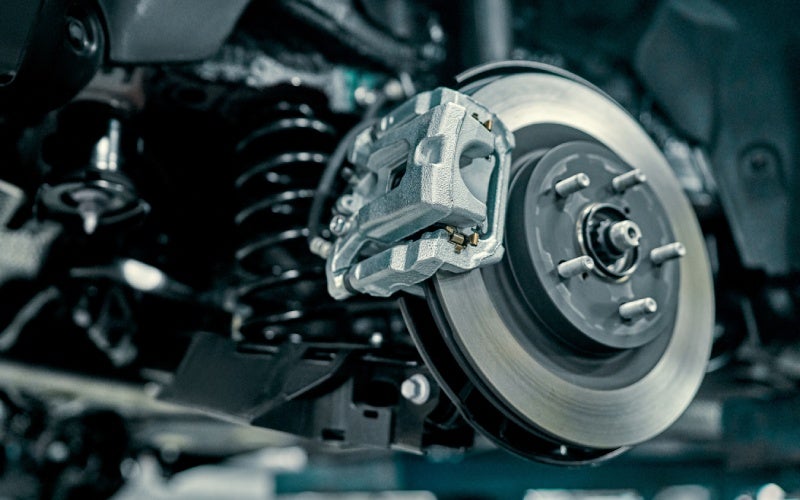
Sheboygan Quick Lube Plus - Brake Pedal Feel and Fluid Checks for Sheboygan, WI Drivers Brake pedal feel is one of the clearest ways your vehicle communicates with you. A firm, consistent pedal usually means the hydraulic braking system is responding as expected. A pedal that feels soft, spongy, unusually low, or inconsistent may indicate a condition that needs attention. The cause is not always obvious from the driver’s seat, which is why brake fluid checks are such a useful part of routine maintenance. Brake fluid carries force from your foot to the brake components, and it must stay clean, properly filled, and stable under heat and pressure. When the fluid becomes contaminated, absorbs too much moisture, or drops below the proper level, the entire braking system can be affected. Sheboygan drivers often use vehicles for a mix of local errands, work commutes, school activities, lakeshore routes, and highway travel. That combination means brakes may go from frequent low-speed stops to longer stretches of steady driving in a single day. Reliable pedal feel matters in all of those situations. A quick service visit is a practical time to ask for a brake fluid review, especially when your vehicle is already receiving an oil change, tire pressure check, or multi-point inspection. Sheboygan Quick Lube Plus helps drivers keep maintenance straightforward by reviewing important systems and communicating noticeable changes before a small concern becomes more inconvenient. What Brake Pedal Feel Can Tell You The brake pedal should feel predictable. It should not sink slowly while you hold pressure at a stop, pulse unexpectedly under normal braking, or require extra force to slow the vehicle. Some vehicles naturally have a slightly different pedal feel based on brake design, weight, and power assist setup, but sudden changes are worth noting. If you drive the same vehicle every day, you are often the first person to notice when something feels different. That detail can help a technician understand when the concern started and whether it happens during every stop or only in certain conditions. Spongy pedal feel: Air, moisture, or fluid condition may be affecting hydraulic pressure. Low pedal travel: The pedal may move farther than normal before braking feels firm. Brake warning light: Low fluid, system imbalance, or another brake issue may be present. Inconsistent response: The vehicle may not slow as smoothly or predictably as usual. These symptoms do not always mean a major repair is needed, but each one deserves a closer look. Low brake fluid can be related to normal brake pad wear, but it can also point to a leak. Dirty fluid may suggest moisture or contamination. A dashboard warning may require additional inspection. The safest approach is to treat pedal changes as useful information and have the system checked promptly. Why Brake Fluid Condition Matters Brake fluid is designed to handle pressure and heat while protecting internal brake components. Over time, many brake fluids absorb moisture. This can lower the boiling point of the fluid and may contribute to corrosion inside metal lines, calipers, wheel cylinders, and master cylinder components. The result may not be immediate, which is why brake fluid can be forgotten during basic vehicle care. However, long-term neglect can affect the feel and reliability of the braking system. A fluid check typically focuses on reservoir level, visible color, clarity, and signs of contamination. Fresh brake fluid is usually lighter and cleaner in appearance, while older fluid may look darker or cloudy. Color alone does not provide a complete diagnosis, but it is one useful clue. A technician may also look for dampness around lines or hoses, damaged rubber components, or other visible concerns. Because the brake system is safety-critical, any suspected leak or unusual pedal behavior should be handled with care. How Brake Fluid Checks Connect With Other Maintenance Brake performance is connected to more than brake fluid. Tires, tire pressure, alignment, suspension condition, and brake component wear all influence how your vehicle stops. A vehicle with worn tires may take longer to stop even if the brake fluid is clean. A vehicle with uneven tire pressure may feel less stable under braking. That is why routine inspections are valuable. A 27-point courtesy inspection can help review major systems, fluids, battery condition, air filter condition, tire pressure, tire condition, brake lines, hoses, and other maintenance items. Start with routine service: Pair fluid checks with oil changes, tire rotations, and inspections. Share symptoms clearly: Mention soft pedal feel, warning lights, or visible fluid spots. Review recommendations: Ask what was observed and what service may be needed next. Follow your maintenance schedule: Use the owner’s manual as a guide for brake fluid intervals. This layered approach helps you make decisions based on actual vehicle condition rather than guesswork. It also supports better long-term ownership because brake fluid issues, tire wear, and alignment concerns can be caught earlier when maintenance is consistent. When to Ask for a Brake Fluid Review You do not need to wait for a warning light to ask about brake fluid. If your vehicle is due for an oil change, if you recently purchased a used vehicle, or if you cannot remember the last brake fluid service, a check is worthwhile. It is also smart to ask if the brake pedal feels different, if stopping distance seems longer, or if you see fluid near a wheel or under the vehicle. The goal is to understand the condition of the system and decide whether monitoring, service, or further diagnosis is appropriate. Our local Sheboygan approach focuses on practical maintenance guidance for everyday drivers. Brake fluid care is not about replacing parts without reason; it is about protecting a system you rely on every time you drive. When brake fluid checks become part of your regular maintenance rhythm, you gain a clearer picture of your vehicle’s health. That confidence matters whether you drive a commuter car, family SUV, pickup, hybrid, or diesel vehicle. Frequently Asked Questions: Can I check brake fluid myself? You can look at the reservoir level on many vehicles, but avoid opening the cap unless necessary because brake fluid can absorb moisture and contamination. A professional check is best for accurate guidance. Does brake fluid last forever? No. Brake fluid can absorb moisture over time and may become less protective. Your manufacturer’s maintenance schedule can help identify the correct service interval. Is dark brake fluid always unsafe? Dark fluid is a warning sign that the fluid may be aged or contaminated, but a technician should evaluate the system and recommend the right next step. Should brake fluid be checked with every oil change? It is a good habit to have the brake fluid level and visible condition reviewed during routine service. This helps catch changes early and keeps maintenance more organized. Brake pedal feel and brake fluid condition are simple topics with major importance. If something feels different, listen to the vehicle and ask for an inspection. A timely check can help protect braking confidence, reduce the chance of avoidable wear, and support safer daily driving across the Sheboygan area. Request more information

Tire Rotation Patterns That Protect Your Tread around Sheboygan, WI

Tire Rotation Patterns That Protect Your Tread around Sheboygan, WI

Sheboygan Quick Lube Plus - Tire Rotation Patterns That Protect Your Tread around Sheboygan, WI Tire rotation sounds simple until you match a pattern to your exact vehicle: front or rear drive, AWD, directional tread, staggered fitment, and even wheel offset matter. The goal never changes — distribute tread wear evenly so your set ages together — but the route to that goal depends on design. This guide explains patterns, timing, and small details that make a big difference for confident driving, whether you’re cruising the lakefront or merging onto I-43. Why patterns differ Every axle and steering system loads tires differently. Front-wheel-drive cars wear the fronts faster through turning and braking, so rearward moves are critical. Rear-wheel-drive vehicles shift the torque load rearward, making cross patterns valuable to equalize diagonal wear. AWD adds complexity — torque vectors and weight balance vary by model — but rotation still matters to keep tire diameters closely matched, which protects the drivetrain and traction control logic. Common rotation patterns at a glance Forward cross: For front-wheel drive — move fronts straight back, rears to opposite front corners. Rearward cross: For rear-wheel drive — move rears straight forward, fronts to opposite rear corners. X-pattern: Universal for many non-directional sets — all four tires cross to the opposite corner. Front-to-rear: For directional tires — swap front and rear on the same side; no side-to-side moves. Side swap only: For staggered, non-directional setups — left-to-right swap on the same axle where allowed. Pattern choice is not just academic. Get it wrong, and you can introduce noise, uneven handling, or accelerated shoulder wear. Get it right, and the car feels more consistent, with braking and cornering grip that fades evenly over time. Timing rotation without guesswork The safest place to start is your owner’s manual. If no interval is listed, a 5,000 to 7,500-mile cadence works for many vehicles. Using oil changes as your anchor makes compliance easy and gives a technician the chance to inspect brakes, suspension components, and tire pressures at the same visit. If your commute includes frequent turns, roundabouts, or stop-and-go stretches, consider the shorter end of the range — those conditions can accelerate wear on the front axle. Track your wear visually. Use a tread depth gauge across inner, center, and outer ribs to confirm patterns are working. If inner shoulders are falling faster, you might need an alignment check, a higher rotation frequency, or both. Early detection is the cheapest fix. What about AWD and advanced safety systems? AWD benefits heavily from rotation because even a small circumference mismatch can stress the drivetrain or confuse traction logic. Regular rotation keeps diameters close and helps the system distribute torque smoothly. Modern stability control and lane-centering features also perform best when all four contact patches behave predictably — another reason to keep your rotation schedule tight and pair it with an alignment measurement after impacts or suspension work. Directional and staggered performance setups add nuance. Directional tires must remain on the same side; staggered setups may prohibit front-to-rear moves. That does not cancel rotation — it just narrows the allowable moves to keep wear distribution on track. Simple signs your rotation plan needs a tweak Rising road noise: A sudden hum or thrum often points to cupping or saw-toothing — increase rotation frequency and inspect shocks. Feathered tread blocks: Slightly sharp edges across the tread may indicate that an alignment correction is needed. Shoulder wear mismatch: One side fading faster suggests load or alignment bias — rotate and measure alignment angles. Steering feel changes: Heavier effort or a pull on a level road deserves a quick pressure check, then an alignment check. The fix is rarely complicated. Adjust your pattern, tighten intervals, and address alignment or suspension issues early. Small corrections here save a tire set later. DIY or professional rotation? DIY works if you have a safe jack, stands, a torque wrench, and knowledge of your tire and wheel specs. Always torque lugs to spec, reset TPMS when required, and mark positions to avoid mistakes. If you have directional, staggered, or mixed wheel sizes, a professional rotation is often faster and avoids pattern errors that can create noise or handling quirks. Many drivers pair rotation with an alignment inspection to ensure the plan they chose is actually delivering even wear. That combination is a smart baseline after installing new tires and again after any curb strike or deep pothole impact. Sheboygan Quick Lube Plus supports a rotation rhythm that fits your driving routine. Whether your vehicle sees mostly city streets or frequent highway miles, a matched pattern and interval will keep your set aging together and help your safety systems do their best work. If your current tires are already showing inside edge wear or growing noise, start with a cross-rotation and a quick alignment measurement. From there, set reminders aligned with your oil change schedule. Consistency is everything — and once it is part of your normal routine, longer tread life and steadier steering simply come along for the ride. Request more information

Cleaner Cabin Air and Stronger Defrost Around Sheboygan, WI

Cleaner Cabin Air and Stronger Defrost Around Sheboygan, WI

Sheboygan Quick Lube Plus - Cleaner Cabin Air and Stronger Defrost Around Sheboygan, WI For many drivers, the cabin air filter goes unnoticed until airflow weakens or a musty scent appears on startup. Yet this modest, rectangular filter shapes every minute you spend behind the wheel—how quickly your windshield clears, how clean the air feels, and how quietly the blower motor runs. Around the lakeshore, airflow matters even more. Lake Michigan’s humidity, seasonal pollen, dust from construction detours, and wintertime road treatments all test the filter’s capacity. A fresh, properly matched filter restores steady airflow, reduces odors, and helps protect the HVAC system from the grime that can impact longevity and noise levels. Think of the cabin filter as a companion to defrost performance. When the media is clean and air paths are open, your windshield clears faster because the system moves more air across the glass. On rainy or chilly mornings, that difference becomes noticeable. If you are turning the fan to its highest setting just to keep fog at bay, it is time to check the condition. Because access varies by model—often behind the glovebox or at the base of the windshield—professional service ensures trim pieces are handled carefully, and the airflow arrow is oriented correctly. Why the Right Media Matters Cabin filters come in two common styles: standard particulate and activated carbon. Standard media focuses on catching dust, pollen, and fine debris. Carbon-enhanced media adds a layer that helps reduce certain odors from agriculture, diesel exhaust, or industrial corridors. If you park outdoors, share rides with pets, or commute past heavy traffic, a carbon filter can reduce lingering smells inside the cabin. The best choice depends on your priorities—maximum dust and pollen control, odor reduction, or a balance of both. Selecting the right filter starts with understanding where and how you drive most. Filter quality and construction also matter. Consistent pleat spacing maintains airflow as debris accumulates, while a sturdy frame prevents warping under the glovebox door or cowl. A precise seal keeps unfiltered air from bypassing the media. Over time, cheaper filters can collapse or deform, which undermines performance. Investing in a well-constructed filter supports quieter operation and more stable airflow across all fan speeds. Everyday Clues Your Cabin Filter Needs Attention Persistent odors: Musty or sour scents at startup often signal trapped moisture and organic material within the pleats. Weak airflow: If you consistently run higher fan speeds to feel airflow, media may be saturated or blocked by debris. Noisy blower: Whistling or whooshing at the vents suggests restricted flow or a distorted filter frame. Stubborn fog: Slower defrost or recurring window haze indicates insufficient air volume across the glass. Visible debris: Leaves, seeds, or grit on the old filter are clear signs it’s time to replace. Any one of these hints warrants a check. Adding a quick inspection to your oil change routine is efficient and gives you a condition-based answer instead of a guess based on mileage alone. Because local routes vary—from downtown errands to county road commutes—real-world loading can swing widely among identical vehicles. Protecting the HVAC System A clean cabin filter does more than improve air quality—it helps protect the evaporator core from dust that can cling to fins and trap moisture. That grime layer can encourage odor-causing growth and force the blower to work harder. Over time, the result is more noise, less comfort, and unnecessary strain. Replacing the filter before it is fully saturated helps keep the system clean and efficient. Pairing replacement with a brief evaporator deodorizer service may also help when odors persist after a new filter is installed. Proper installation is essential. The airflow arrow must align with the actual flow direction, and the element must sit squarely in its track. A cocked or bent filter invites bypass and uneven flow, which can cause vent noise and reduce effectiveness. Attention to these details pays off with quieter operation and consistent comfort. Timing Your Replacement Owner’s manuals provide a baseline interval, but Sheboygan’s mix of humidity, coastal breezes, and seasonal debris can shorten that timeline. If your vehicle spends time parked under trees, or you frequently drive near construction or unpaved shoulders, consider more frequent inspections. A simple light test—holding the old filter up to a bright source—reveals how much capacity remains. If little light passes through, the media is loaded and ready for replacement. When planning maintenance, think seasonally by workload rather than the calendar. After a heavy pollen spell or a roadwork-filled summer, a fresh filter can reset airflow and odor control just when you need it most. Aligning this with an oil change makes life easier and helps you maintain consistent records. We believe maintenance decisions should be grounded in what your vehicle shows today, not a generic number. A quick visual inspection, a conversation about your driving routes, and the right filter choice keep the HVAC system breathing freely. That means a quieter cabin, faster defrost, and less dust across your dash and screens—benefits you notice immediately. When you are ready to refresh cabin airflow, our team is happy to help with the right media, careful installation, and practical timing that fits your routine. Sheboygan Quick Lube Plus is serving Sheboygan with convenient, no-appointment service lanes that respect your schedule and keep you moving. Request more information

Choosing the Right Motor Oil Viscosity for Confident Driving across Sheboygan, WI

Choosing the Right Motor Oil Viscosity for Confident Driving across Sheboygan, WI

Sheboygan Quick Lube Plus - Choosing the Right Motor Oil Viscosity for Confident Driving across Sheboygan, WI Motor oil viscosity—the familiar numbers like 0W-20 or 5W-30—matters more than most drivers think. That code tells you how the oil behaves when cold (the number before W) and at operating temperature (the number after). Pick well, and your engine gets fast startup flow, strong protection at highway speeds, and consistent performance during long idles or short trips. Choose poorly, and you can invite extra wear, sluggish cold starts, increased oil consumption, or a rough idle. This guide unpacks viscosity selection for common vehicles around town and out on I-43, and how your driving routine should shape the choice. Your owner’s manual is the final word. Manufacturers test engines under extreme conditions to determine the viscosity that protects timing components, variable valve timing systems, turbo bearings, and emissions hardware. That recommendation often varies by engine family, market, and climate assumptions. If the manual lists more than one option, it typically reflects a tradeoff between efficiency, durability, and expected start-up temperatures. When in doubt, use the primary recommendation and discuss alternatives with a trusted shop that can match the oil’s certifications—API and ILSAC for most Asian and domestic models, ACEA profiles for many European vehicles, and brand-specific specs like dexos for GM. Understanding the Numbers Viscosity describes an oil’s resistance to flow. A 0W-20 flows quickly when cold and remains relatively thin at operating temperature, favoring fuel economy and fast startup lubrication. A 5W-30 is slightly thicker at hot temperatures, helping some engines maintain oil pressure and film strength under load. Higher second numbers like 40 or 50 hold up in sustained heat or severe duty, but using them without OEM approval can impede variable valve timing response, reduce efficiency, or trigger fault codes in modern powertrains. For many late-model cars and crossovers, 0W-20 or 5W-30 is the most common factory fill. Small-displacement turbocharged engines often specify full synthetic oils with tight viscosity control to manage heat and protect turbochargers. Direct-injected engines benefit from cleaner formulations that resist low-speed pre-ignition and keep ring packs and intake valves cleaner longer. If you are unsure whether your vehicle falls into these categories, a quick look at the cap or manual will tell you, and a professional can confirm the exact spec required. Match Viscosity to Your Driving Reality How you drive matters. Short trips and frequent idling can leave moisture and fuel in the oil if the engine never reaches full temperature, thinning the oil and accelerating oxidation. Regular highway runs help, but if your week is mostly school lines and quick errands, prioritize an oil that flows fast at startup and resists breakdown. Towing, hauling, or long uphill grades increase shear forces and heat, nudging many owners toward OEM-approved synthetics for stronger film strength at temperature. When manufacturers list multiple choices—say 0W-20 and 5W-30—our guidance usually follows your pattern: more stop-and-go and cold starts favor the lower “W” rating, more load or heat may justify the thicker hot grade, as long as your manual permits it. Full synthetic oils shine here because their engineered base stocks and additive packs keep viscosity stable over the service interval. That stability protects timing chain guides, cam phasers, and turbo bearings, which are sensitive to oil quality. Even if you stick with the same grade, a synthetic often performs like-new deeper into the interval compared to conventional, which can shear or oxidize more quickly. Common Signs the Grade Is Not a Good Fit Noisy cold starts: Brief rattles or ticks right after startup may indicate the oil is not reaching critical components quickly enough. Oil pressure warnings: Flickers or low readings can signal viscosity that is too thin, hot, or other mechanical issues that need attention. Increased oil consumption: Excessive top-offs may happen if the hot viscosity is too low for the engine’s wear state and operating load. Rough idle or codes: Some engines with variable valve timing can get fussy if viscosity drifts from the approved range. If you notice these symptoms, do not guess. Verify the oil meets the OEM specification, confirm the correct viscosity, and consider an oil analysis if the issue persists. Sometimes the fix is as simple as returning to the factory grade in a high-quality full synthetic that maintains its properties the entire interval. A note on high-mileage vehicles: engines with some wear or minor seepage sometimes respond well to high-mileage formulations in the OEM-approved grade. These oils include seal conditioners and additive tweaks to reduce consumption and protect older components. Do not jump thicker unless your manual allows it and a technician agrees it is appropriate for your engine’s condition. Why Certification Labels Matter Viscosity is only half the story. Certification marks—API, ILSAC, ACEA, and brand-specific approvals—tell you the oil passed tests for wear, oxidation, deposits, and compatibility with modern emissions systems. For example, low-ash European specs protect gasoline particulate filters, while dexos-certified oils address GM-specific performance and cleanliness targets. An oil can have the right viscosity but the wrong chemistry for your engine, so always match both. That is where a trusted quick lube partner earns its keep, stocking the exact profiles your vehicle needs rather than one-size-fits-all substitutes. Service quality completes the picture. An oil change that includes a thorough inspection, correct torque, accurate fill level, new crush washer if required, and verification of fluid top-offs prevents the small mistakes that turn into big problems. Sheboygan Quick Lube Plus focuses on both the right oil and the right process, so you leave confident that the job was done correctly. Frequently Asked Questions: Can I switch from 5W-30 to 0W-20 for better cold starts? Only if your owner’s manual lists both options. If it does, 0W-20 may improve cold flow and efficiency. If not, stick with the approved grade to maintain proper pressure and timing system performance. Is thicker oil better for high mileage? Not automatically. Use the OEM grade and consider a high-mileage formula. Thicker oil can mask issues but may hinder variable valve timing and efficiency in modern engines. Do synthetics always extend intervals? Many do when the OEM permits it, but follow the manual. Severe service—short trips, idling, towing—can shorten any interval. Oil quality and driving pattern both matter. What if my car specifies a brand certification like dexos? Use an oil that explicitly carries that approval. The right viscosity without the certification may not protect your engine or emissions system as intended. When you are ready to choose the ideal viscosity and formulation, our team is here to help Sheboygan with the exact oil certifications your vehicle requires, clear explanations of intervals, and a thorough inspection that keeps small issues from becoming big ones. One visit is all it takes to feel the difference in startup smoothness and highway confidence. Bring your questions, owner’s manual, or simply the vehicle itself—we will verify specs, review your driving routine, and set a plan that balances protection, convenience, and cost over time. Whether you prefer the factory-fill 0W-20, need a 5W-30 that meets a European ACEA profile, or want guidance on high-mileage formulas, we will align on a solution that supports long-term engine health. You will leave with a clear interval, the right oil on the invoice, and peace of mind that the work was completed carefully and checked twice. That is our approach—one that keeps engines quiet, clean, and responsive for the roads you drive every day. If you would like a single point of contact for oil, filters, wipers, and quick inspections, our team is ready to help. We provide certified oils, accurate viscosity matching, and a thorough process that spotlights emerging maintenance needs early, when fixes are simple. Visit us once, and you will see how much smoother a well-matched oil and a disciplined service routine can make your daily drive feel. We are proud to support local drivers with streamlined visits and clear recommendations. Whether you commute, run deliveries, or shuttle kids to practice, the right viscosity and certification make every start more confident and every mile quieter. That is how we think about service: one decision at a time, anchored in what your specific engine needs and how you actually use your vehicle. For a straightforward path to the correct oil and interval, trust a partner who stocks the factory-approved grades and explains the why behind each choice. That is how you get reliability you can feel and a maintenance plan you do not have to overthink. Finally, remember that oil is part of a system. Healthy air filters, proper tire pressures, and timely inspections all support efficiency and durability. Keep those pieces aligned, and your engine will reward you with smooth mornings, quiet cruising, and lower long-term costs. Sheboygan Quick Lube Plus can help you put that whole picture together in one efficient visit. Request more information

Clear Windshields, Safer Drives — Wiper Blade Choices for Sheboygan, WI

Clear Windshields, Safer Drives — Wiper Blade Choices for Sheboygan, WI

Sheboygan Quick Lube Plus - Clear Windshields, Safer Drives — Wiper Blade Choices for Sheboygan, WI Good wiper blades turn split-second decisions into confident moves. When your windshield stays clear through lane changes on I-43, downtown stops near 8th Street, and early morning commutes along the lakeshore, you notice the difference in stress and safety. The right blade, the correct size, and a clean installation give you uninterrupted vision and quieter, smoother wiping. This guide explains how to choose the best wiper blades for your vehicle, why materials matter, and how to keep them performing day after day around Sheboygan, WI. Start with fitment. Driver and passenger blades are rarely the same length, and rear wipers are often unique to the vehicle. Your owner’s manual, the placards on our parts display, or a quick lookup by year, make, and model ensure you get the exact size and correct connector — J-hook, pin, bayonet, or specialty adapters. A precise, lock-tight connection prevents lift-off, rattles, and missed zones, especially at highway speeds or in heavy spray from passing traffic. Next, consider blade architecture. Conventional frames use multiple pressure points and work well on flatter glass. Beam blades flex evenly along the entire span, hugging curved windshields and resisting wind lift — a smart match for many modern vehicles. Hybrid blades combine a streamlined outer shell with a frame underneath for stable contact and durability. Match the design to your windshield curvature and typical driving so that pressure is even across the entire sweep. Conventional frames: Economical, multi-point pressure, reliable on flatter windshields. Beam blades: One-piece flex, excellent contact on curved glass, reduced wind lift. Hybrid designs: Streamlined shell plus internal frame for stability and long life. Rear-specific blades: Vehicle-specific shapes that clear tight hatch glass effectively. Rubber technology shapes the wipe you feel. Natural rubber is quiet and flexible, ideal for smooth operation. Premium treated rubber adds coatings that reduce friction and noise. Silicone blends can extend longevity and maintain a crisp edge longer, particularly when road film and grit are common. Coated edges — often graphite or PTFE-treated — glide more quietly across the glass and reduce chatter when the windshield is impeccably clean. Clean glass is half the battle. Even the best blade will chatter if wax, sap, or road film is on the windshield. Decontaminate periodically with a dedicated glass cleaner that removes residue, then wipe the blade edge with a lint-free towel dampened with alcohol. This small habit can add months to usable life and preserve smooth, quiet operation. Confirm exact sizes for driver, passenger, and rear wipers using your vehicle details. Match the connector type so the blade locks securely with no play or rattle. Select beam, hybrid, or conventional architecture based on windshield curvature and driving. Choose rubber technology — standard treated rubber or premium blends — for your durability and noise goals. Thoroughly clean the windshield and wipe blade edges before testing at low and high speeds. Common warning signs deserve quick attention. Streaks or haze suggest a worn edge or contaminant buildup. Chatter points to glass residue or uneven pressure. Squeaks may mean hardened rubber or a waxed windshield. Ragged edges or splits call for immediate replacement before the frame contacts and scratches the glass. Addressing these issues promptly protects visibility and helps you avoid fatigue on longer drives across Highway 23 or county roads outside town. Rear wipers matter too. Because hatch glass often collects more grime and spray, rear blades work harder and can wear sooner. Verify size and connector — many rear wipers use dedicated, model-specific parts — and test park position so the arm clears trim and defroster lines. A crisp, quiet rear wipe makes backing up and lane changes safer in dense traffic and tight parking lots. DIY or professional install? If you enjoy projects, modern blades make home installation easier with included adapters and clear instructions. Just remember to support the lifted arm so it doesn’t snap back on bare glass. If you prefer quick, guaranteed fitment and on-car testing, our team handles everything in minutes and verifies full sweep and even pressure before you roll out. Sheboygan Quick Lube Plus makes it simple to pair blade choice with professional alignment and testing. We’re committed to practical help that fits your day. Proudly serving Sheboygan, we guide you to the correct sizes, architecture, and materials for your driving, clean the glass, and confirm a quiet, complete wipe on the spot. With the right blades and a streamlined process, you’ll notice the difference the first time spray hits the windshield — and you’ll feel more relaxed every mile after. Request more information

Why a 27-Point Courtesy Inspection Matters for Every Oil Change around Sheboygan, WI

Why a 27-Point Courtesy Inspection Matters for Every Oil Change around Sheboygan, WI

Sheboygan Quick Lube Plus - Why a 27-Point Courtesy Inspection Matters for Every Oil Change around Sheboygan, WI A quick oil change does more than refresh lubrication — it is the perfect moment to verify your vehicle’s overall health. That is where a 27-point courtesy inspection shines. By reviewing core safety systems, wear components, and fluid condition during the same visit, you leave with a clear picture of what looks great today and what deserves attention next. At Sheboygan Quick Lube Plus, we make this review part of the process so you can plan smarter, not spend more time in the shop. Think about how you drive each week: short trips to the store, a commute along I-43, school drop-offs, and weekend errands across Washington Ave. Those miles add up in different ways. Fluids age, tires wear, small leaks appear, and batteries lose capacity. A consistent, methodical inspection catches those changes early, so you can address them at the right moment — before they become disruptive repairs or roadside headaches. The greatest value of a 27-point check is clarity. You are not guessing about tire condition, fluid levels, or battery health. You are not hoping your wipers will work in the next rain. You leave with information you can act on — prioritized, explained, and easy to track on future visits. Major systems review: A top-to-bottom look at key components helps surface safety-critical concerns early. Fluid levels and condition: Clean, properly filled fluids support performance, cooling, braking, and transmission function. Tire pressure and tread: Correct PSI and even wear boost stability, fuel efficiency, and ride comfort. Battery condition: Confirms healthy starts and reliable power for accessories and safety systems. Air filter check: Adequate airflow supports efficient combustion and consistent throttle response. Brake lines and hoses: A visual check for leaks or damage helps preserve braking confidence. Pairing this review with your oil service is efficient by design. While the drain-and-fill happens, our team evaluates wear items and safety checks that naturally align with the service bay workflow. Before the vehicle comes down from the lift, you have a professional perspective on essentials like tire condition and brake lines; before the hood closes, you have clarity on fluid levels, filter condition, and the battery. That information is practical. If we see healthy wear on all four tires and even tread depth, you have the green light to keep rotating on schedule. If a battery shows early signs of aging, you can decide when to replace it before cold cranks or a busy morning exposes a weakness. If a filter is approaching the end of its life, you can plan a quick swap on your next stop. The point is not to sell parts — it is to provide a playbook you trust. It also helps you with time-related services. An alignment inspection done alongside an oil change and tire rotation protects tread life and improves steering feel. A fresh engine air filter pairs well with an oil change because both support efficient combustion. And because tire pressure is set to spec during your visit, you roll out with a stable ride and predictable handling. We are equally focused on convenience. No appointment is necessary — simply drive in, and the inspection is completed as part of your visit. The process is consistent, and the results are explained in plain language. You will know if everything looks great now, what deserves a watchful eye, and what is worth addressing soon. It is a simple system that removes guesswork and supports smarter vehicle ownership. Arrive with a short list: Note any new vibrations, noises, smell changes, or dashboard lights since your last visit. Bundle basics: Oil change, rotation, and an alignment inspection together safeguard your most important wear items. Review results: Ask for a quick walkthrough of what is green, yellow, and red on your inspection. Plan your next step: Schedule follow-up work only when it makes sense for mileage, time, and your calendar. We take pride in transparent recommendations. If everything checks out, you are good to go. If we find developing concerns, we explain what to watch and when to act. That way, you control the timeline, not the other way around. One visit, one checklist, and a simple plan. Whether you are logging daily miles on the interstate or stacking short trips around town, consistency is key. Tie your 27-point courtesy inspection to your oil change interval, keep tire rotations on schedule, and ask for an alignment inspection when you notice a pull or see uneven tread. This steady rhythm helps your vehicle stay quiet, smooth, and predictable — and it keeps your to-do list manageable. If you want a maintenance stop that respects your time and gives you useful, prioritized insight, make your next oil change the moment you get a trusted snapshot of overall vehicle health. One visit covers the essentials — from fluids and filters to tires and brake lines — and sets you up for confident, low-stress driving. When you are ready, simply stop by. We will complete your oil change and 27-point courtesy inspection, talk through the findings, and help you plan smart next steps that fit your schedule. It is vehicle care made clear, so you can keep moving with confidence — today and thousands of miles from now. If you are searching for a dependable place to handle regular maintenance and a thorough health check in a single stop, you have found it. Sheboygan Quick Lube Plus keeps the process simple, the inspection consistent, and the guidance straightforward — the way car care should be. Request more information

Smart Engine Air Filter Care for Daily Drives around Sheboygan, WI

Smart Engine Air Filter Care for Daily Drives around Sheboygan, WI

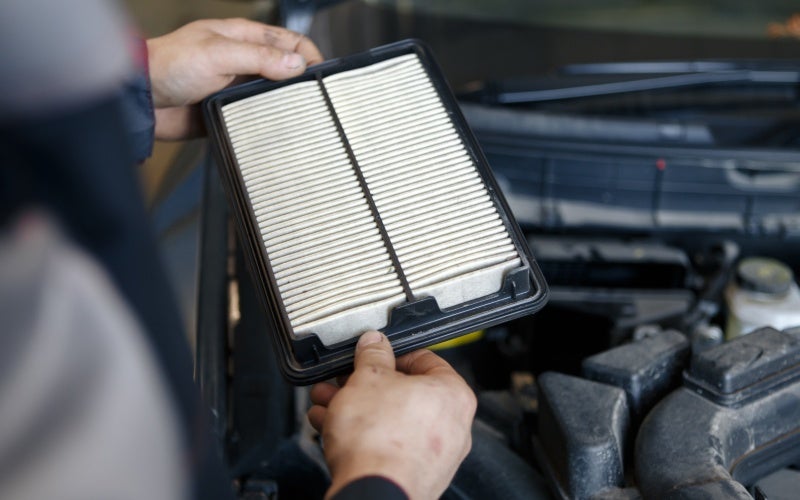
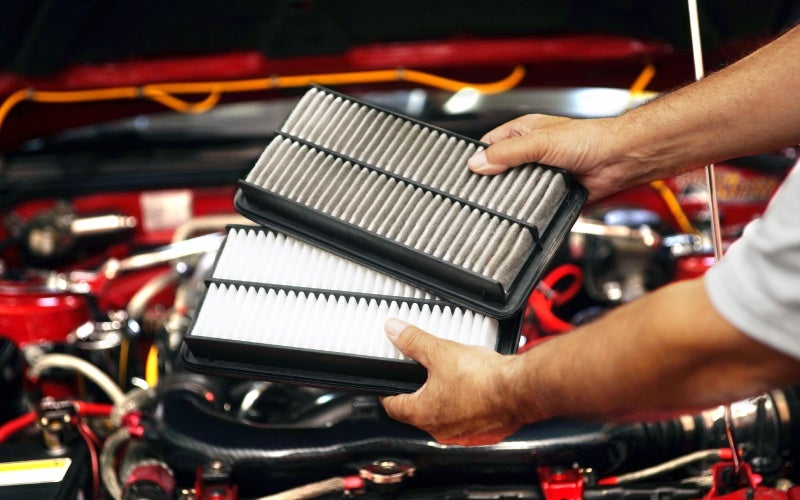
Sheboygan Quick Lube Plus - Smart Engine Air Filter Care for Daily Drives around Sheboygan, WI Clean engine air is the unsung hero of smooth acceleration, crisp throttle response, and consistent fuel economy. If your engine cannot breathe freely, every mile feels a little harder, and every stoplight launch takes a little longer. That is why engine air filter care belongs on your short list of routine maintenance — simple to check, quick to replace, and essential for long-term reliability. In a community with a mix of city streets, waterfront breezes, and county-road detours like Sheboygan, WI, airborne dust, pollen, and grit are a constant. Your filter catches it all before it can reach sensitive parts like the mass airflow (MAF) sensor and the cylinders. Keep it healthy, and your whole powertrain benefits. How often should you replace an engine air filter? The owner’s manual guidance is a good baseline, but your actual interval hinges on your environment and driving style. Short trips, frequent idling, and time spent near construction zones load up the filter faster. If you often hop between errands along Washington Avenue, jump on I-43, and loop back through neighborhood side streets, your filter is working overtime, trapping fine debris. A quick monthly look is smart: open the air box, remove the element, and hold it to the light. If you cannot see light through much of the media or the pleats look caked with dust, it is time to change. Watch for drivability changes like hesitation or rough idle Track fuel economy to spot airflow-related dips Listen for unusual intake sounds from the air box Inspect the air box seal and duct clamps during each check Match the filter to your engine’s exact specifications Accuracy matters. A filter that is slightly off in size may appear to fit but leave gaps that let unfiltered air bypass the media. That unmetered air can confuse the MAF sensor, skew fuel trims, and even illuminate the check engine light. When you install a new element, make sure the gasket seats squarely, the air box latches click firmly, and the snorkel clamps are tight. If your vehicle uses a reusable oiled filter, follow the manufacturer’s cleaning and oiling instructions meticulously — too much oil can coat the MAF wire and trigger drivability issues. Many drivers ask whether a fresh filter will boost miles per gallon. The best way to think about it is recovery rather than a bonus. As a filter loads up, airflow drops, and the engine compensates with different fuel trims and throttle behavior. Restoring a clean, correct-flow path lets the engine get back to its designed balance. You may notice the throttle feels lighter, hill climbs require less pedal, and your average fuel economy returns to where it used to be. Those are real gains in daily satisfaction, even if they do not show up as a dramatic number on paper. Local conditions influence maintenance more than you might expect. Around the lakeshore, breezes carry fine organic matter that adheres to the filter. During roadwork, heavy equipment kicks up grit that lingers downwind for days. Rural shortcuts near fields can add a surprising amount of dust in a single trip. If your routine includes any of these, consider inspecting the filter at every oil change and replacing it earlier than the manual’s maximum. A conservative approach beats putting extra wear on piston rings and cylinder walls. Here is a simple at-home inspection routine you can use between professional visits: Shut off the engine and open the hood safely Release the air box clips or screws and note the filter orientation Lift the element out carefully to avoid dumping debris into the box Tap the filter gently to dislodge loose dust and check the pleats Hold it to a bright light to gauge remaining airflow capacity Vacuum out the air box and wipe the gasket seat before reassembly Reinstall the filter correctly and secure all latches and clamps Even with a good DIY routine, pairing your intake check with a professional multi-point inspection is wise. Technicians see patterns across makes and models, know where ducts commonly crack, and can advise whether a drivability symptom is filter-related or points to a sensor or ignition component instead. That context saves time and helps you prioritize maintenance in a way that truly supports long-term reliability. If you want a quick, expert perspective, Sheboygan Quick Lube Plus can evaluate your filter, confirm the correct part, and install it properly while also checking related intake components. We welcome all makes and models and offer an efficient, straightforward visit that respects your schedule and driving needs. Frequently Asked Questions: Will a high-flow performance filter help my daily driver? High-flow elements can reduce restriction at high RPM, but for typical commuting, they rarely change the real-world feel. Filtration quality and proper sealing matter most for longevity. Is it okay to blow out a dirty paper filter with compressed air? It is not recommended. High-pressure air can damage the paper fibers and create micro-tears that reduce filtration. Replace the element instead. Why does my filter get dirty so fast after road construction? Freshly milled surfaces and aggregate dust remain airborne long after crews finish for the day. That fine grit loads up the outer pleats quickly, especially on short trips. Can a clogged cabin air filter affect the engine? Cabin and engine filters serve different systems. A clogged cabin filter affects HVAC airflow and comfort, while the engine air filter impacts performance and fuel economy. How can I tell if unmetered air is getting past the filter? Look for loose clamps, cracked ducts, or a misaligned air box lid. Symptoms can include surging, lean codes, or unusual intake sounds. Fixing the seal path is essential. Request more information

Contact Us

Fill out this form below and we'll contact you shortly
*Required Fields