

Providing Quality Oil Change Service for Any Make or Model!
Tire Shopping Guide near Plymouth, WI
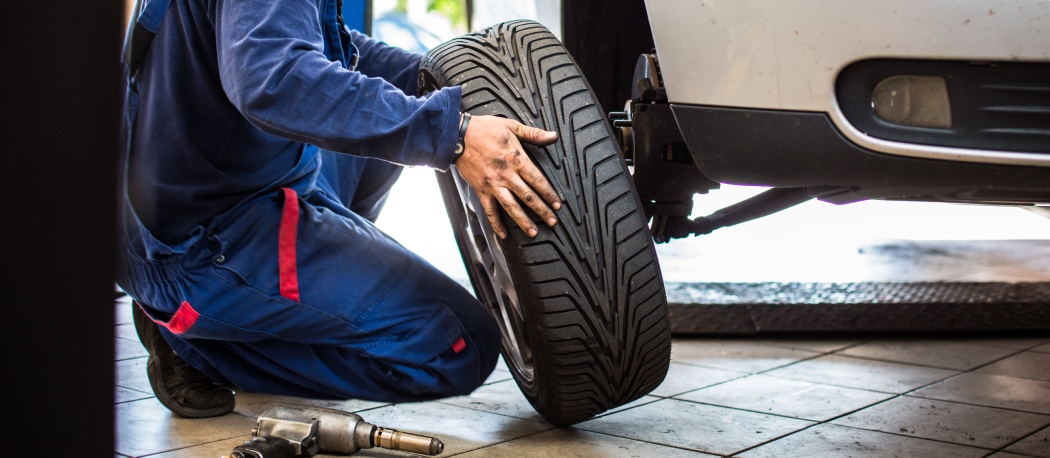
Choosing the right tires starts with understanding how your vehicle is used, not just what size is printed on the sidewall. A compact car used for daily commuting has different needs than a family SUV, light truck, or diesel vehicle that carries heavier loads. At Sheboygan Quick Lube Plus, we help drivers think through tread design, load rating, speed rating, tire condition, and service timing so the decision supports safety, ride comfort, and long-term value. If you are shopping for tires near Plymouth, WI, local driving can include a mix of city streets, county roads, highway travel, and frequent stops around schools, workplaces, shops, and lake-area destinations. That variety makes proper traction, balanced tread wear, and correct tire pressure especially important. Tire shopping should also include an inspection of the vehicle systems that affect tire life. Alignment issues, worn suspension components, improper inflation, and missed rotations can shorten the life of even a quality tire. A practical tire guide should answer three questions: what fits the vehicle, what fits the driver’s habits, and what maintenance will protect the investment after installation. With the right guidance, tires become more than a purchase. They become part of a complete vehicle care plan that supports confident braking, responsive handling, smoother driving, and better fuel efficiency.
How to Compare Tire Options Before You Buy
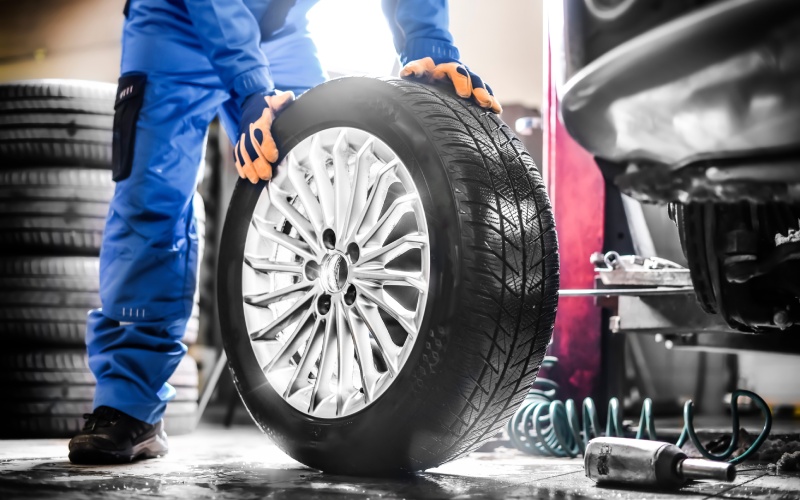
- Tire size: Check the driver-side door placard or owner’s manual for the correct size, load rating, and inflation guidance before comparing models.
- Tread type: Match tread design to daily driving needs, including highway comfort, all-around traction, road noise control, and expected tread life.
- Vehicle use: Consider commuting distance, passenger load, cargo weight, towing needs, and whether the vehicle is driven mostly in town or on higher-speed roads.
- Wear pattern: Look for cupping, feathering, shoulder wear, center wear, or irregular tread depth because these signs can point to alignment or inflation concerns.
- Service history: Review rotation records, alignment checks, tire pressure habits, and past repairs to avoid repeating the same wear problem with a new set.
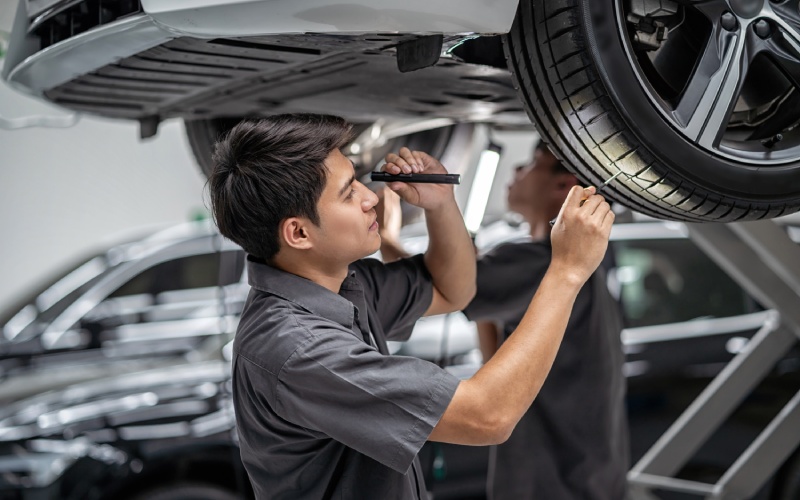
A smart comparison looks beyond brand names and focuses on fit, performance, and maintenance readiness. The reference information from our service center highlights tires, tire rotations, alignment checks, tire pressure checks, and a 27-point courtesy inspection as connected parts of vehicle care. That matters because a tire decision is rarely isolated. If one tire is worn differently than the others, replacing only the tire without checking alignment may leave the original cause unresolved. If the vehicle has been driven for months with low pressure, the tread may show shoulder wear and reduced efficiency. By reviewing tire condition alongside the rest of the vehicle, drivers can make a better-informed choice and avoid guessing.
Tread Depth, Tire Condition, and Replacement Timing
Tread depth is one of the clearest indicators of whether tires still have enough grip for everyday driving. As tread wears down, a tire has less ability to maintain contact with the road surface, especially during braking, cornering, and quick steering inputs. Low tread can also make a vehicle feel less stable, even when the tires still appear acceptable at a glance. Sheboygan Quick Lube Plus recommends paying attention to both tread depth and tread pattern. Uneven wear across the tire face may signal improper inflation, alignment concerns, or missed rotations. Cracks in the sidewall, bulges, punctures near the sidewall, exposed cords, or repeated air loss are also signs that a tire should be inspected promptly. Drivers around Sheboygan County often travel between residential roads, business corridors, and rural routes in a single day, which can expose tires to changing pavement quality and road debris. Replacement timing should never be based on tread depth alone. Tire age, visible damage, vibration, steering pull, and changes in ride quality all deserve attention. A professional inspection helps confirm whether a tire can remain in service, should be repaired, or needs replacement. This approach supports safer decisions and helps drivers plan maintenance before tire problems interrupt the day.
Alignment, Rotation, and Maintenance That Protect New Tires
- Rotation: Moving tires at recommended intervals helps balance tread wear between front, rear, left, and right positions.
- Alignment check: Measuring wheel angles helps identify conditions that can cause pulling, off-center steering, or rapid edge wear.
- Pressure check: Maintaining proper tire pressure supports even contact with the road, fuel efficiency, and predictable handling.
- Inspection: Reviewing tire condition with major vehicle systems can reveal concerns early, including brake, suspension, fluid, battery, and air filter issues.
- Driving feedback: Reporting vibration, noise, drifting, or steering changes helps technicians connect symptoms with tire or alignment concerns.
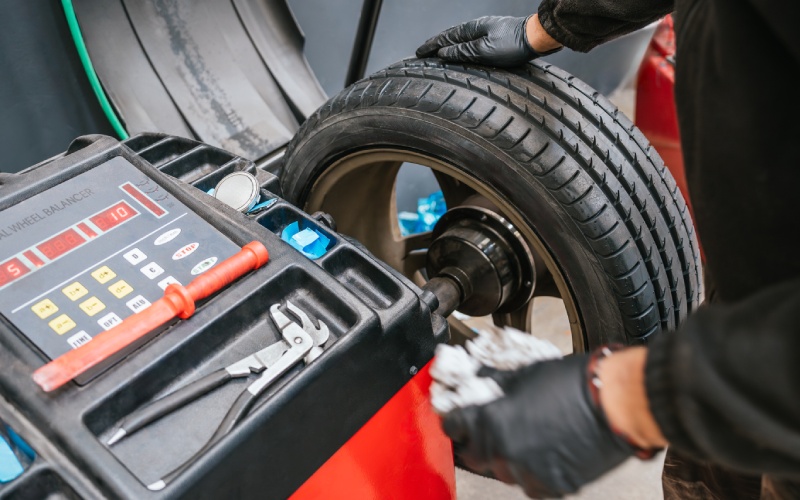
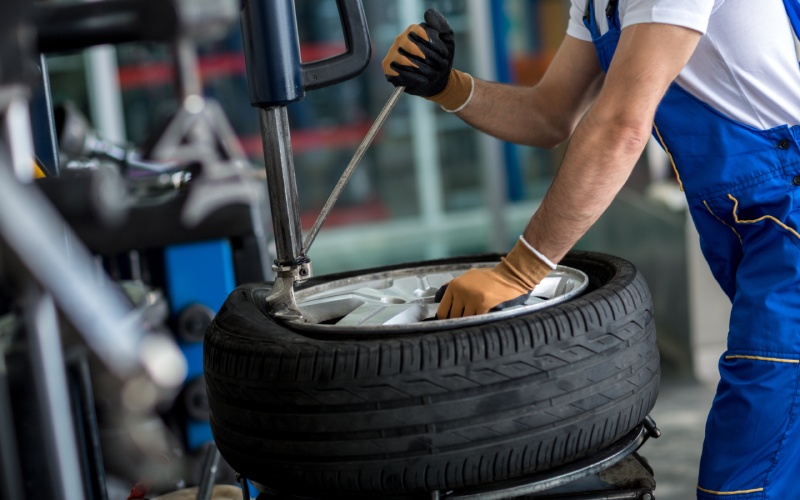
New tires perform best when the vehicle is ready for them. The Sheboygan Quick Lube Plus website notes that tire rotation can promote uniform tread wear and may help reduce rolling resistance, which can support better fuel economy. It also explains that proper alignment helps all four tires make more uniform contact with the road, reducing the chance of premature tread wear. These services are especially valuable for drivers who split time between short errands, longer commutes, and frequent highway travel. A tire may be properly sized and high quality, yet still wear early if wheel angles are out of specification or tire pressure is ignored. Pairing tire shopping with rotation planning, pressure checks, and alignment awareness helps protect ride comfort and tire life from the start.
FAQ: Tire Shopping Questions
How do I know which tire is right for my vehicle?
Start with the tire size and load requirements listed in the owner’s manual or door placard. Then consider how you drive, how far you travel, whether the vehicle carries passengers or cargo often, and whether comfort, tread life, traction, or road noise matters most.
Should I replace all four tires at the same time?
In many cases, replacing all four tires provides the most consistent traction and handling. However, the right answer depends on tread depth, drivetrain type, tire age, and condition. A professional inspection can determine whether a full set, pair, or single replacement is appropriate.
Why do my tires wear unevenly?
Uneven tire wear can come from low or high pressure, missed rotations, alignment issues, worn suspension parts, aggressive driving habits, or heavy loads. The wear pattern often provides clues, so an inspection can help identify the root cause before new tires are installed.
Is tire pressure really that important?
Yes. Proper pressure helps the tire maintain the correct contact patch with the road. Incorrect pressure can affect handling, braking, fuel efficiency, tread life, and ride comfort.
Ready for a Better Tire Shopping Experience
Buying tires should feel clear, not confusing. The best process starts with a careful look at your current tires, your vehicle requirements, and your driving routine. It should also include practical maintenance recommendations, such as tire rotations, alignment inspections, and routine tire pressure checks. When you are ready for tire guidance near Plymouth, WI, our team can help you understand what your vehicle needs and how to keep your tires performing well after installation. We service any make or model and provide maintenance support that can include oil changes, tire rotations, alignment checks, air filters, wiper blades, emissions testing, and a 27-point courtesy inspection. No appointment is necessary for many quick lube services, and we focus on making vehicle care convenient, professional, and efficient. Visit Sheboygan Quick Lube Plus for straightforward tire shopping support, clear maintenance guidance, and service built around getting you back on the road safely. Whether you are replacing worn tires, planning ahead, or trying to understand uneven wear, our team is ready to help you make a confident decision.