

Providing Quality Oil Change Service for Any Make or Model!
Tire Rotation vs Wheel Alignment — What Drivers Need to Know in Sheboygan, WI
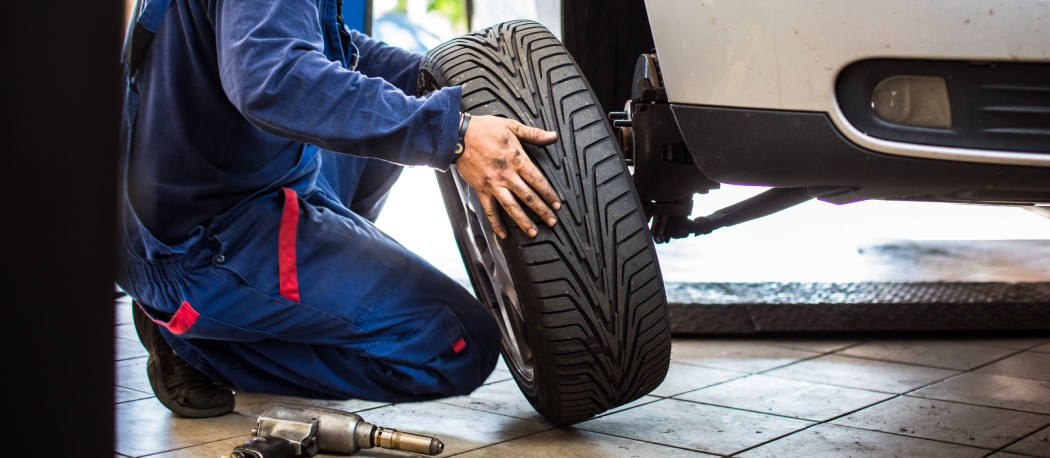
Tire rotation and wheel alignment are often mentioned in the same breath, but they solve very different problems. Rotation is about moving tires to new positions to even out tread wear. Alignment is about adjusting suspension angles so wheels point straight and meet the road at the correct angles. Both improve handling, extend tire life, and support fuel economy, yet they are not interchangeable. Around Washington Ave, Taylor Dr, and the I-43 ramps, daily stop-and-go, curb strikes, and occasional construction plates can nudge a vehicle out of spec or accelerate tire wear patterns. That local mix of city streets and higher-speed stretches makes it smart to plan regular rotations and schedule alignment checks after impacts, when the steering feels off, or anytime you install new tires.
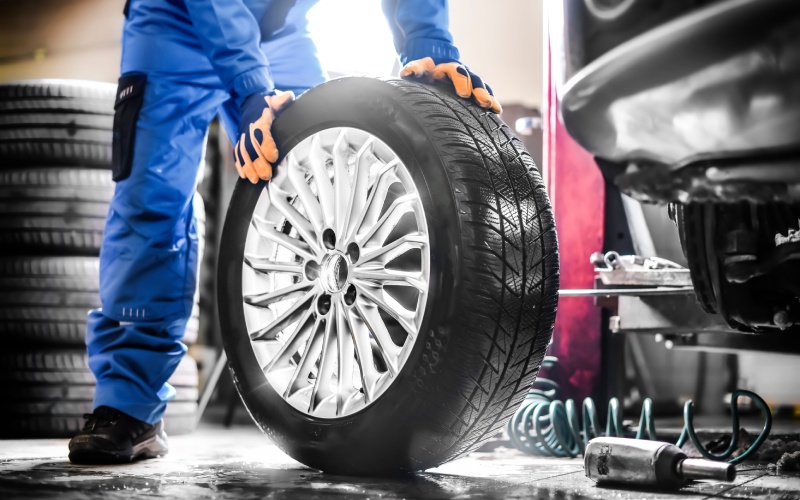
At Sheboygan Quick Lube Plus, we guide drivers through when each service makes sense, how to spot early symptoms, and how to time service around routine maintenance. Our team also looks beyond the tires — explaining how proper inflation, shock and strut health, and even brake balance complement rotation and alignment. If you are noticing a shimmy on Erie Ave or feathered edges after a season of commuting, you might need both services, just not on the same cadence. Use this quick guide to understand the differences, know what to ask for, and map out an easy, local plan that keeps your vehicle tracking straight and your tires wearing evenly.
What Tire Rotation Does — Patterns, Timing, and Payoffs
- Core purpose: Rotation changes each tire’s position — front to rear, side to side, or diagonally — to distribute wear evenly.
- Typical intervals: Many vehicles benefit from rotation every 5,000 to 7,500 miles, timed with oil changes for convenience.
- Pattern choices: Front-wheel drive, rear-wheel drive, AWD, and directional or staggered setups require specific rotation patterns.
- Performance benefits: Even wear supports consistent braking, steadier cornering, and reduced road noise throughout a tire’s life.
- Budget protection: Balanced tread life helps delay a full set replacement and keeps tires within safe traction thresholds longer.
Rotation manages the physics of how each axle and steering input loads your tires. Front-wheel-drive vehicles scrub the front tires faster during turning and braking, so moving them rearward helps balance the workload. AWD systems put torque through all four corners, yet weight distribution and alignment variances still create different wear rates — correct patterns matter here, too. Directional tires must stay on their original side, and staggered setups can limit your options to front-to-rear swaps. Timing rotation with oil changes is practical and improves compliance: one visit, multiple essentials addressed. Keep an eye out for shoulder wear, saw-toothed, or a noticeable change in road noise — those are early signs your rotation interval is overdue, or the pattern used previously didn’t match your setup.

How Wheel Alignment Works — Angles, Symptoms, and Results
Alignment is a precision suspension adjustment measured in degrees and minutes. Toe points the tires inward or outward relative to the vehicle’s centerline; camber tilts the top of the tire in or out; caster influences high-speed stability and steering return-to-center. When alignment drifts, tires scrub instead of rolling cleanly, wearing out edges prematurely and costing you traction. If your steering wheel sits off-center on a straight stretch of Hwy 23 or the car drifts after you let go briefly on a level lane, alignment might be out. Other red flags include feathered tread blocks, a pull that swaps sides under braking, or a new set of tires wearing unevenly in the first few thousand miles.

Correct alignment restores predictable handling, better braking stability, and lower rolling resistance. It also protects safety systems — modern stability control and advanced driver assistance features are calibrated around a vehicle that tracks true. If you have recently hit a pothole, mounted a curb near downtown parking, or installed new suspension parts, a professional alignment should follow. For most drivers in Sheboygan, WI, an annual check or a measurement whenever tires are replaced is a simple, cost-effective routine that keeps the rest of your maintenance paying off.
When You Need Rotation, Alignment, or Both
- Your tread looks uneven: Inner or outer shoulder wear hints at alignment error; cupping or saw-toothed wear often points to overdue rotation or worn shocks.
- Your steering wheel is crooked: A consistently off-center wheel on straight roads signals that an alignment correction is needed.
- Your vehicle pulls to one side: A steady drift, especially after ruling out low tire pressure, typically means alignment work is due.
- You just bought new tires: Start with a baseline alignment and proper rotation plan to protect the investment from day one.
- You drive mixed routes: City turns, roundabouts, and highway ramps create varied loads — rotate regularly and check alignment yearly.
- You felt a recent impact: After a curb strike or deep pothole, an alignment check prevents accelerated wear and handling quirks.
Think of rotation as preventative care and alignment as corrective precision that also prevents repeat issues. Do rotation on a fixed interval to slow wear; book alignment when symptoms appear, after suspension or tire changes, or on an annual cadence if your driving includes frequent urban turns or construction zones. Our team at Sheboygan Quick Lube Plus makes it easy to coordinate both oil changes, which come with a courtesy tire rotation and an alignment inspection, so you can catch problems early and keep your sedan, SUV, or truck driving confidently between visits.
FAQ — Rotation vs. Alignment Essentials
How often should I rotate my tires?
Every 5,000 to 7,500 miles suits many vehicles, but follow your owner’s manual if it specifies a precise interval or rotation pattern.
Do I need an alignment with every rotation?
No. Rotation is routine maintenance; alignment is performed as needed when measurements are out of spec or symptoms appear.
What are the most common signs I need an alignment?
Off-center steering wheel, consistent pull on a level road, rapid inner or outer edge wear, or feathered tread blocks.
Are AWD vehicles different for rotation?
Yes. AWD systems still need rotation, but the correct pattern and interval are especially important to keep tire diameters closely matched.
When should I align after buying tires?
Right away or shortly after installation to set a clean baseline; then re-check if you notice any drift, shimmy, or unusual wear early on.
Plan Your Next Visit and Drive Straighter, Longer
Reliable rotation and precise alignment add up to safer stops, smoother steering, and longer tread life — benefits you’ll notice on daily runs along Michigan Ave and weekend trips to the lakefront. Optimize your routine by pairing tire rotation with oil changes and reserving alignment for when the angles need expert correction. Our alignment checks help you act before small issues become big tire bills, and our rotation guidance keeps each axle sharing the workload fairly. If you commute across the I-43 corridor or navigate downtown parking daily, a simple maintenance rhythm goes a long way.
Count on Sheboygan Quick Lube Plus for clear advice, efficient service, and transparent recommendations tailored to your vehicle’s drivetrain and tire setup. Stop by when it fits your day — no appointment needed — and we will complete a 27-point courtesy inspection alongside your requested services. If we spot uneven wear, we will outline the next steps, from a rotation pattern adjustment to a formal alignment measurement. When your tires eventually reach replacement depth, our main shop can handle the swap and set you up for a fresh start. Keep your car tracking straight, your steering wheel centered, and your tires lasting longer with a visit planned in Sheboygan, WI today.