

Providing Quality Oil Change Service for Any Make or Model!
Why Wisconsin Emissions Testing Matters for Local Drivers
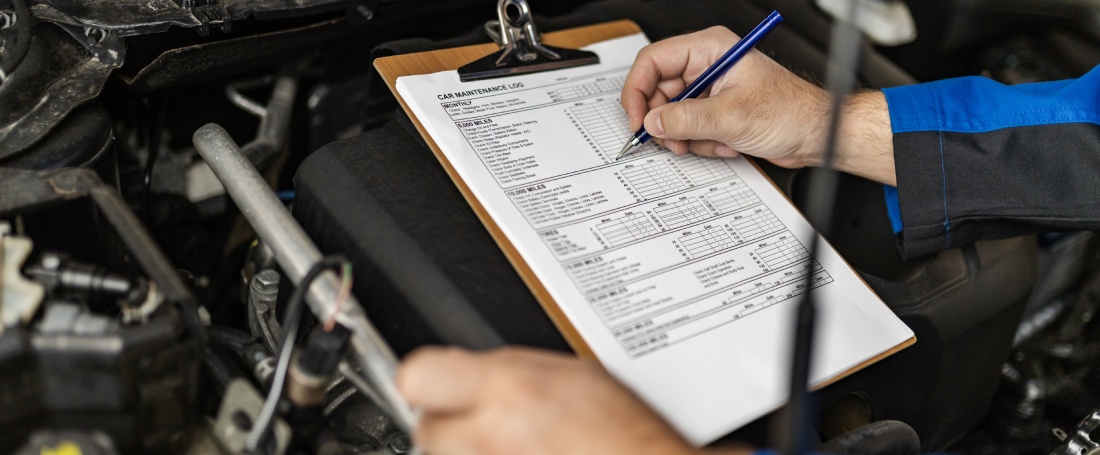
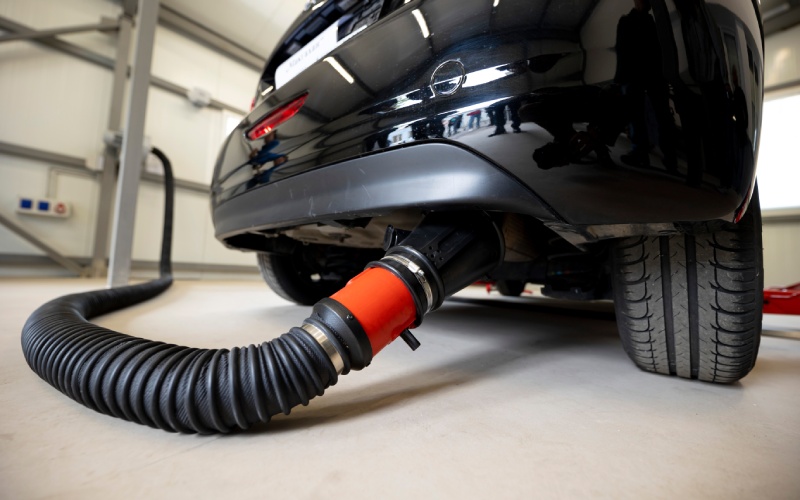
Wisconsin's Vehicle Inspection Program keeps air quality in check and your registration current, which makes understanding how the process works especially helpful for everyday driving around the Sheboygan River, along I-43, and across Washington Ave. At our quick lube facility, testing is first-come, first-served — no appointment needed — so you can roll in, follow the on-site lane directions, and get it done between typical weekday testing hours. You can also take care of state-required registration renewal once your vehicle passes, saving you an extra errand. Our team is trained to guide you through the process if you have questions about readiness monitors or a recent repair. If your vehicle is close to a test date, try to avoid clearing codes or disconnecting the battery; those actions can reset the onboard monitors and delay a pass. When you arrive, plan on having your plate number or renewal notice handy, and make sure your check engine light is off. If the light is on, we can scan codes, explain what they mean, and point you toward the right next step. At Sheboygan Quick Lube Plus, we focus on fast, clear guidance so you can complete your test confidently and get back to your day.
What to Bring and How to Arrive for a Smooth Visit
- Photo ID: Bring a valid driver’s license or state-issued identification.
- Renewal notice or plate number: Have your DMV renewal letter or your license plate number ready.
- VIN access: Know where your VIN is (dashboard or door jamb) in case it’s needed to verify details.
- Fuel level: Aim for roughly one-quarter to three-quarters of a tank to help certain monitors run.
- Warm-up drive: Take a 15- to 20-minute mixed drive so the engine and catalytic converter reach operating temp.
- Battery/repairs: Avoid disconnecting the battery or clearing codes right before your visit.
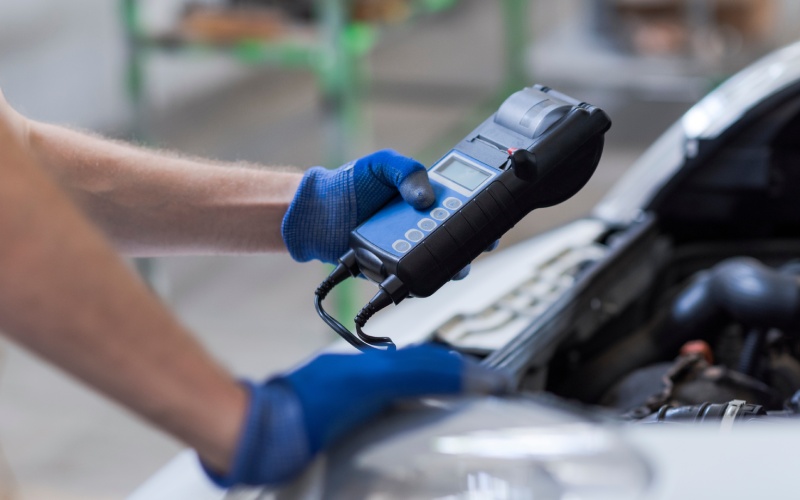
- Check engine light: If illuminated, come early so we can explain next steps before test time.
- Test lane: Use the clearly marked emissions lane on-site and follow posted directions for drive-up service.
Arriving prepared helps your test move quickly. A short, mixed-speed drive across local streets and a brief highway stretch on I-43 warms the powertrain and helps set readiness monitors. If you recently replaced an oxygen sensor, battery, or evaporative component, give the vehicle a few drive cycles before stopping in. Keep your paperwork accessible, pull into the designated testing lane, and our team will take it from there. If we spot anything that might cause a delay — like a loose gas cap or a pending code — we will let you know right away so you can address it efficiently.
Quick Lube Add-Ons That Help You Pass — Without Wasting a Trip
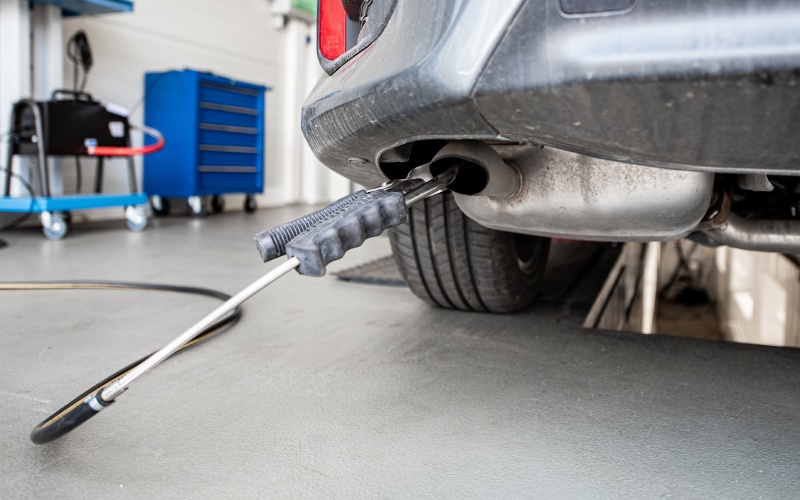
While testing itself confirms compliance, a few quick maintenance checks can improve your odds of a same-visit pass, especially if you have a borderline condition. A fresh engine air filter supports proper fuel trim and emissions performance. Verifying your gas cap’s seal can prevent an EVAP small leak failure. If your check engine light was recently repaired, a short drive cycle may still be needed; we will explain what to expect so you don’t test too soon. Our 27-point courtesy inspection looks at critical systems, fluid levels, belts, hoses, battery condition, and more, giving you a quick snapshot before you enter the test lane. If a dashboard warning is present, we can perform an OBD-II scan, let you know which code is stored, and recommend an appropriate next step. We are set up for walk-ins, so you can handle an oil change, tire rotation, or air filter replacement and then proceed straight to emissions when your vehicle is likely to be fully warm. For many drivers in Sheboygan, WI, knocking out a quick lube visit and a test in one stop saves time and reduces the chance of return trips. At our shop, the focus is on convenience, clarity, and getting you confidently through compliance.
Common Reasons Vehicles Fail — And Our Fast Fixes
- Check engine light on: Stored or pending OBD-II faults will trigger an automatic failure.
- Gas cap leak: A damaged or loose cap can cause an EVAP system leak code.
- Readiness monitors not set: Recent battery disconnects or code clears reset monitors to incomplete.
- Air filter restriction: A clogged filter can skew fuel trims and affect tailpipe performance on applicable tests.
- Exhaust leaks upstream: Leaks before the catalytic converter can skew sensor readings.
- Aftermarket tunes: Some calibrations prevent monitors from completing and can lead to a fail.
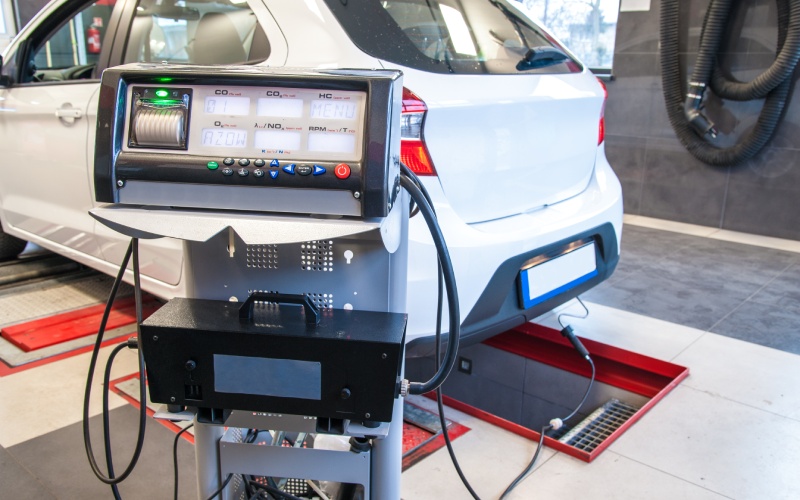
Our team explains the cause and the simplest path forward if a problem appears. Often, the solution is straightforward — tightening or replacing a gas cap, completing a few drive cycles after a repair, or swapping a heavily restricted filter. If a deeper issue is indicated, we outline options and help you prioritize next steps. We keep the process friendly and transparent so you understand what happened, what to do next, and how to return ready to pass.
Your Emissions Testing Questions, Answered
Do I need an appointment for emissions testing?
No appointment is needed. Testing is first-come, first-served during posted weekday testing hours, and the on-site lane is clearly marked for quick drive-up service.
Will an illuminated check engine light fail the test?
Yes. If the light is on, the system has stored a fault. We can scan and explain the code so you know whether a simple fix or additional drive cycles are needed before you test.
How long should I drive before coming in after a repair?
Plan a few mixed trips to allow readiness monitors to set. A warm engine and a combination of city and highway speeds typically help monitors complete more quickly.
Can I renew my registration at the same visit?
Yes. Once your vehicle passes, you can complete the state’s registration renewal on-site — a convenient way to finish everything in one stop.
Will an oil change help me pass?
An oil change does not directly pass a test, but fresh oil, a healthy air filter, and a sealed gas cap support proper emissions performance and can reduce the chance of return visits.
Stop By Today — Fast, Friendly Testing and Maintenance
When you are ready for a sensible, pattern-based interval, our quick lube team will match oil type and schedule to your real-world routine. We service all makes and models, welcome walk-ins, and help you leave with a plan that fits how you drive around Sheboygan and the surrounding communities.