

Providing Quality Oil Change Service for Any Make or Model!
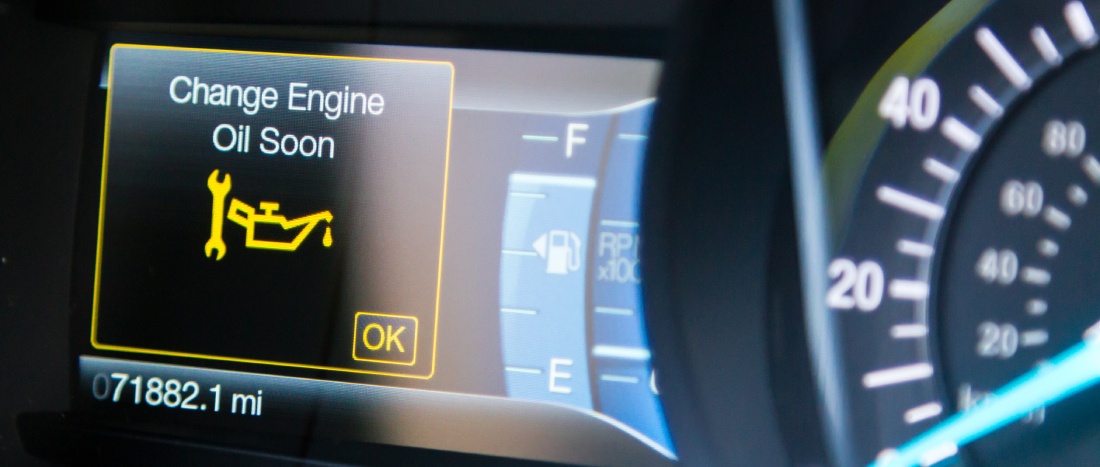
Conventional Oil Change vs Full Synthetic Oil Change in Sheboygan, WI
Choosing between a conventional oil change and a full synthetic oil change starts with how, where, and what you drive. Daily stop-and-go along Washington Ave, regular hops onto I-43, and short school or grocery runs all shape what your engine needs. Conventional oil is refined petroleum that meets industry standards for lubrication and protection, while full synthetic is engineered for superior stability, cleanliness, and performance under stress. For many vehicles, both options meet minimum specifications, but the real difference shows up in how long protection lasts, how clean the engine stays, and how confident you feel taking on cold starts and highway merges in Sheboygan, WI. At Sheboygan Quick Lube Plus, we service any make or model—gas, diesel, turbocharged, direct-injected—and we stock conventional, semi-synthetic, full synthetic, and the factory-recommended viscosities your owner’s manual specifies. Every visit includes a 27-point courtesy inspection, tire pressure check, and—if you want—a complimentary car wash. Because we value relationships over volume, our process is built for clarity and speed without cutting corners. No appointment is necessary, yet you can schedule one if you prefer a specific time. The right oil also supports cleaner emissions, smoother shifting for engines with variable valve timing, and better control of deposits that can affect sensors. Understanding your options helps you make a maintenance choice that fits your driving routine today and your long-term ownership goals tomorrow.
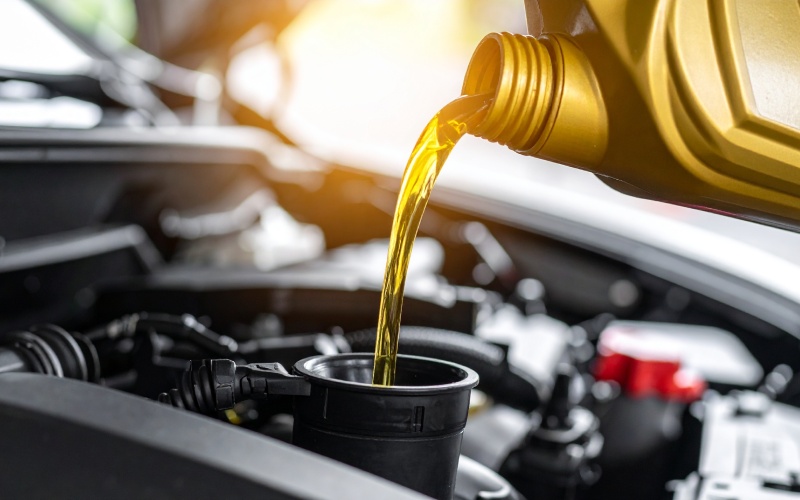
What Conventional Oil Does Well—and Where It Falls Short
- Base stock and additives: Conventional oil starts with refined crude and uses additive packs for detergency, anti-wear, and oxidation control.
- Viscosity stability: It holds grade within normal conditions but can shear and oxidize faster under heat, idling, or frequent short trips.
- Change intervals: Many vehicles using conventional oil follow shorter intervals—often around 3,000 to 5,000 miles—depending on the manufacturer.
- Engine compatibility: It can be fine for older, lower-stress engines, provided it meets the API/ILSAC specs and viscosity listed in your owner’s manual.
- Budget considerations: Upfront cost is typically lower, but more frequent changes can narrow the long-term cost difference versus synthetics.
Conventional oil remains a practical choice for light-duty driving and well-maintained, non-turbo engines that are not regularly pushed hard or exposed to extreme temperature swings. If your routine is a predictable commute across town with the occasional highway stretch, conventional oil—changed on time—can deliver solid protection. The tradeoff is shorter drain intervals and faster degradation when engines run hot, tow, idle in drive-thru lines, or make frequent short trips that never reach full operating temperature. Those conditions are fairly common across Sheboygan’s mix of urban streets and regional connectors, so if your owner’s manual allows either conventional or synthetic, consider how often you face stop-and-go, cold starts, or long idle times. We can review your manual, mileage, and patterns to set a smart interval that protects your engine while keeping maintenance simple.

Benefits of Full Synthetic for Daily Driving and Highway Miles
Full synthetic oil is engineered for stability, cleanliness, and consistent viscosity across a wide temperature range. That engineering pays off in better film strength under load, improved high-temperature resistance, and cleaner internals that reduce deposit formation on turbo bearings, cam phasers, and tight-tolerance ring packs. Many modern engines—especially turbocharged and direct-injected designs—specifically call for synthetic oil because it resists oxidation and can hold its grade through extended service intervals approved by the manufacturer. For drivers navigating frequent short trips, long idles, or back-and-forth hops between downtown streets and I-43, synthetic’s resilience can help guard against moisture and fuel dilution that occur before engines fully warm up. In addition, synthetic oils flow faster at startup, reducing wear during those first seconds when protection matters most. That advantage is meaningful in Sheboygan’s temperature swings and for vehicles that may sit overnight outdoors. Some drivers also notice marginal fuel economy improvements and quieter operation over time, as deposits are reduced and viscosity remains more stable. Our technicians at Sheboygan Quick Lube Plus can match the exact OEM-approved specification your vehicle requires, including dexos, European ACEA profiles, and the latest API categories. If you want long-term reliability, smoother performance, and less maintenance guesswork, full synthetic is a confident, forward-looking choice that supports both daily convenience and long-haul engine health.

Service Experience and Add-Ons that Maximize Value
- No-appointment convenience: Drive up when it works for you; or schedule a time if you prefer, with our process built around speed and clarity.
- Included extras: Enjoy a FREE car wash, FREE inspection, FREE tire rotation, and a FREE alignment inspection with your oil change.
- 27-point inspection: We review major systems, fluids, filters, battery, tire condition and pressure, brake lines and hoses, and more.
- Emissions testing: Monday through Friday from 8:00 AM to 4:30 PM—first-come, first-served via the far-left lane at our quick lube building.
- Any make or model: We service gas, diesel, turbo, and hybrid powertrains with conventional, semi-synthetic, and full synthetic oils.
Our goal is seamless, thorough service that gets you back on the road quickly and safely. Every oil change includes the extras above because proactive checks help you avoid surprises—like uneven tire wear, low fluids, or a battery nearing end-of-life. If your vehicle needs new wiper blades or an engine or cabin air filter, we can take care of it on the spot. For tires, we rotate during your visit and can handle replacement and alignments through our main shop if needed. Our team values relationships and quality over quantity, which means we explain what we find and prioritize what matters most for your next few months of driving. Whether it’s a conventional or full synthetic oil change, the added inspections, car wash, and tire services help keep your vehicle feeling tight, quiet, and ready for whatever your week brings.

FAQ
How often should I change oil with conventional vs. full synthetic?
Follow your manufacturer’s interval. Many conventional schedules range from 3,000 to 5,000 miles, while full synthetic can extend to 7,500 to 10,000 miles or more when approved by the OEM. Severe service—frequent short trips, idling, towing—shortens any interval. We will tailor a plan to your vehicle and driving routine.
Does my vehicle require synthetic, or is it optional?
Some engines require synthetic oil by specification—check your oil filler cap or owner’s manual. If synthetic is optional, it often improves protection and cleanliness. We stock factory-approved grades for all common makes and models and will confirm what your vehicle calls for.
Will full synthetic stop oil leaks on higher-mileage engines?
No oil type repairs mechanical leaks. High-mileage formulas can condition seals, but we recommend an inspection to identify the source. We can discuss whether a high-mileage synthetic blend or full synthetic fits your goals.
What exactly is included with my oil change here?
Every visit includes our 27-point courtesy inspection, a tire pressure check, a FREE tire rotation, a FREE alignment inspection, and a complimentary car wash if you want it. We also top off common fluids when applicable.
How long will my visit take?
Most oil change visits take about 30 to 60 minutes, depending on your vehicle and added services. We operate first-come, first-served with no appointment necessary, and you can schedule a time if you prefer.
Choosing the Right Oil and Scheduling Your Next Visit
Picking between conventional and full synthetic comes down to your engine’s requirements and how you drive. If you prioritize maximum protection under varied conditions, longer OEM-approved intervals, and cleaner internals for the long haul, full synthetic usually wins. If your manufacturer allows conventional and your driving is light duty with consistent on-time changes, conventional remains a capable option. Our advisors will review your owner’s manual, mileage, and routes to align protection, convenience, and cost over time. When you are ready for your next oil change, stop by our quick lube lanes—no appointment needed—or schedule a time that fits your day. You will get the exact viscosity and certification your vehicle calls for, plus a 27-point inspection, complimentary wash, tire rotation, and alignment check to keep your vehicle feeling solid and safe. Sheboygan Quick Lube Plus services any make or model and supports Wisconsin emissions testing weekdays via our left lane. Whether you choose conventional or full synthetic, our team is here to make maintenance simple, transparent, and fast so you can drive with confidence across town and beyond. Visit Sheboygan Quick Lube Plus to get expert guidance and the right oil for your engine.