

Providing Quality Oil Change Service for Any Make or Model!
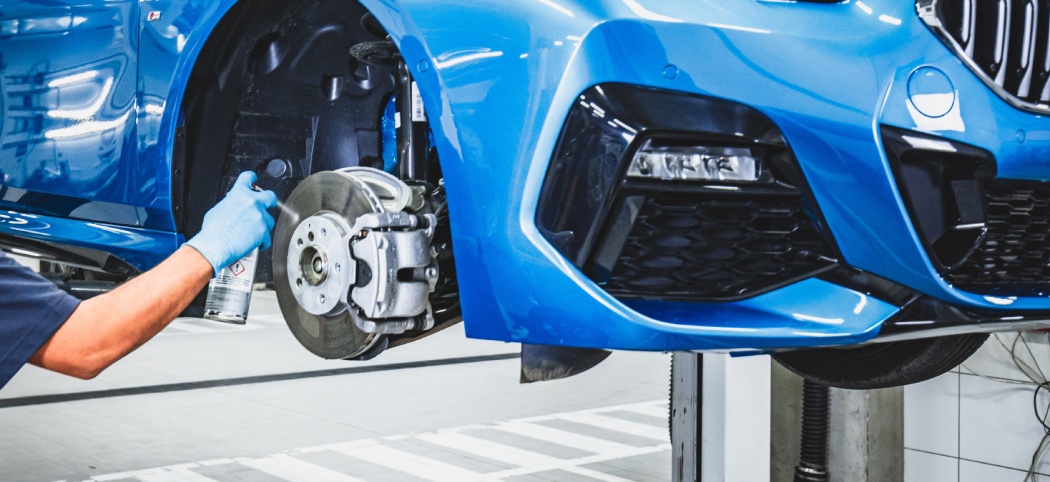
Brake Fluid Checks and Hydraulic Brake Maintenance in Sheboygan, WI
Brake fluid is easy to overlook because it works inside a sealed hydraulic system, but it plays a direct role in how confidently your vehicle stops. When you press the brake pedal, brake fluid transfers force from the pedal to the brake components at each wheel. If the fluid is clean, properly filled, and free of excess moisture or contamination, the braking system can respond predictably. If fluid quality drops, pedal feel, stopping response, and component health can suffer. For drivers in Sheboygan, WI, daily routes can include city traffic near Washington Avenue, highway driving, school drop-offs, and short errands where repeated braking is common. Those habits make routine brake-related checks especially valuable. Sheboygan Quick Lube Plus provides convenient maintenance support for any make or model, including inspections that review major systems, fluids, tire pressure, tire condition, brake lines, hoses, battery condition, air filters, and more. Because our service approach is built around convenience and safety, a brake fluid conversation often fits naturally into an oil change, tire rotation, or 27-point courtesy inspection. A quick look at fluid level, fluid condition, and visible brake system concerns can help you understand whether your vehicle needs monitoring, further diagnosis, or brake service at the proper time.
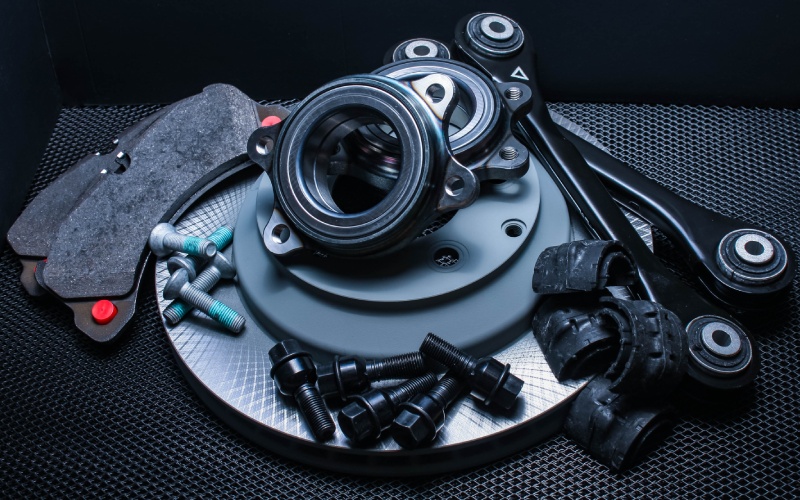
Warning Signs Your Brake Fluid or Hydraulic System Needs Attention
- Soft brake pedal: A pedal that feels spongy, sinks farther than normal, or requires extra pressure may point to air, moisture, or a hydraulic concern.
- Brake warning light: A dashboard warning can signal low fluid, brake system imbalance, parking brake engagement, or another brake-related issue.
- Dark or dirty fluid: Brake fluid that looks cloudy, dark, or contaminated may no longer protect internal components as effectively as fresh fluid.
- Visible fluid near wheels: Dampness around brake lines, calipers, wheel cylinders, or under the vehicle should be inspected promptly.
Brake fluid concerns often develop gradually, so small changes in pedal feel or braking response deserve attention before a larger issue appears. Unlike engine oil, brake fluid is not consumed during normal operation; if the reservoir level is low, it may be related to pad wear or a leak that needs a closer look. Moisture is another concern because many brake fluids naturally absorb water over time. That moisture can reduce the fluid’s boiling point and may contribute to internal corrosion in calipers, brake lines, and master cylinder components. Drivers may not notice this during light braking, but repeated stops or longer drives can reveal a less consistent pedal. A routine service visit in Sheboygan, WI, is a practical time to ask about fluid appearance, reservoir level, and whether visible brake components show signs of wear or leakage. When caught early, a brake fluid issue can often be addressed before it affects the full braking system.
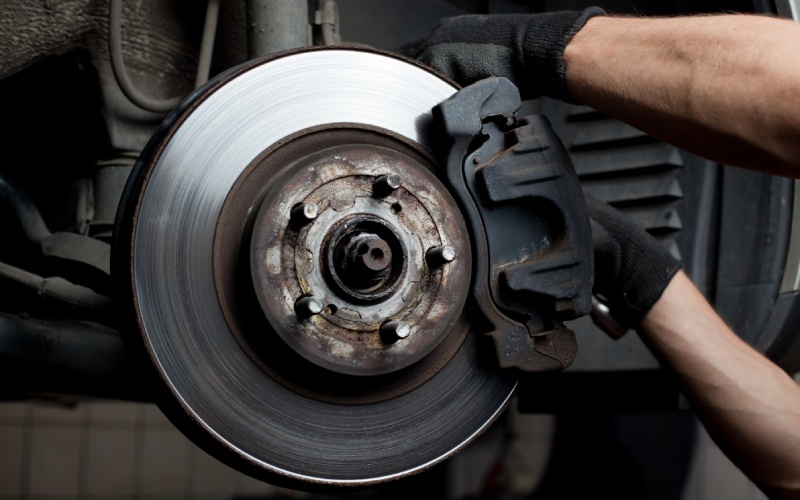
How Brake Fluid Checks Fit Into Routine Vehicle Service
A brake fluid check does not have to be complicated, but it should be handled carefully. The reservoir level, cap condition, fluid color, and visible contamination can all provide clues about system health. At Sheboygan Quick Lube Plus, our maintenance mindset is built around helping drivers spot changes early while keeping service simple. Every service includes a thorough 27-point courtesy vehicle inspection, along with a tire pressure check and a car wash if wanted. That inspection reviews major systems and important maintenance areas such as fluids, air filter condition, battery condition, tire pressure, tire condition, brake lines, hoses, and related items. This approach is especially helpful because brake performance is connected to more than one part of the vehicle. Tire tread, inflation pressure, alignment, suspension condition, and braking components all influence how the vehicle responds when you need to stop. If a technician notices low brake fluid, discolored fluid, damaged hoses, or another visible concern, you can make an informed decision about next steps. For many drivers, pairing brake fluid awareness with regular oil changes, tire rotations, air filter service, and wiper blade inspections creates a more complete maintenance rhythm without adding unnecessary guesswork.
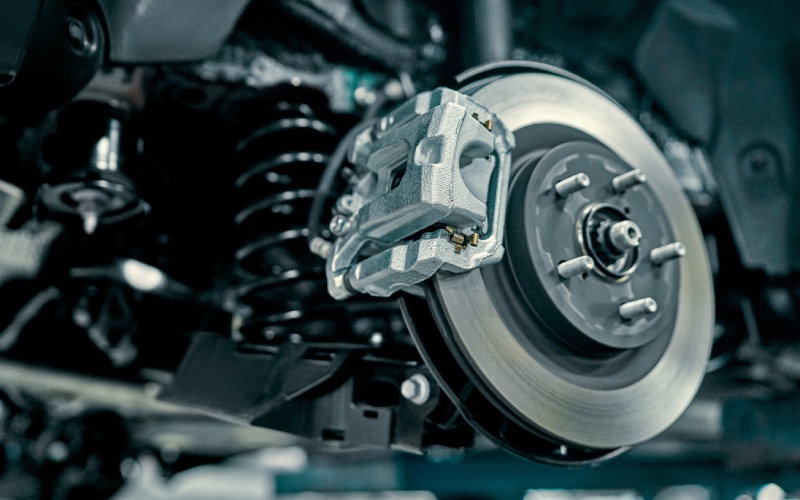
What Technicians Look For During Hydraulic Brake Maintenance
- Fluid level and condition: The reservoir is checked for proper level, unusual color, cloudiness, debris, or signs of contamination.
- Brake lines and hoses: Visible lines and flexible hoses are inspected for cracking, corrosion, swelling, dampness, or damage.
- Pedal response: Pedal feel can help identify symptoms such as sponginess, excessive travel, or inconsistent braking response.
- Related wear indicators: Tire condition, brake component visibility, and fluid changes can help guide recommendations for further service.
Hydraulic brake maintenance is about protecting both stopping performance and the components that make braking possible. Brake fluid must operate under pressure and heat while resisting corrosion inside metal lines, calipers, wheel cylinders, and the master cylinder. If moisture content becomes too high, the fluid can become less stable under heavy braking and less protective over time. A technician may recommend additional brake service if the fluid appears contaminated, if the vehicle is past the interval suggested by the manufacturer, or if visible brake components show concern. Because every vehicle is different, the right timing depends on make, model, mileage, driving habits, and prior maintenance history. A compact car used for short trips may have different needs than a truck that tows or carries extra weight. Our quick lube team can help identify when a basic inspection is enough and when a more complete brake evaluation is the safer path. The goal is not to replace parts early; the goal is to keep your stopping system predictable, protected, and ready for everyday driving.
FAQ: Brake Fluid Service Questions
How often should brake fluid be checked?
Brake fluid should be checked during regular maintenance, especially during oil changes or a multi-point inspection. Many vehicle manufacturers also publish a brake fluid service interval, so your owner’s manual is a helpful guide.
Is low brake fluid always a leak?
Not always. Brake fluid level can drop as brake pads wear because caliper pistons extend farther. However, a low reservoir should never be ignored because leaks can also cause fluid loss and reduced braking confidence.
Can dirty brake fluid affect stopping?
Yes. Contaminated or moisture-heavy brake fluid can reduce system protection and may contribute to softer pedal feel, corrosion, or reduced performance during repeated braking.
Can brake fluid be checked during a walk-in visit?
Yes, brake fluid condition and visible brake-related items can be reviewed as part of routine maintenance. No appointment is necessary for many quick lube services, and our team works on afirst-comee, first-served basis.
Schedule Brake Fluid Awareness With Your Next Maintenance Visit
Brake fluid is one of the most important fluids in your vehicle, yet it often receives attention only after a warning light appears or the brake pedal feels different. Building brake fluid awareness into routine maintenance helps you stay ahead of avoidable surprises. When you visit Sheboygan Quick Lube Plus, you can count on a customer-focused approach designed to make vehicle care convenient and seamless. Our services support new and used vehicles of any make or model, with oil changes that may include conventional, semi-synthetic, full synthetic, and diesel oil options, plus inspections that help keep you informed. A brake fluid check in Sheboygan, WI can pair naturally with an oil and filter service, tire pressure check, tire rotation, alignment check, air filter review, cabin air filter inspection, or wiper blade replacement. If a concern appears, our team can explain what was noticed and help guide the next step without pressure. For drivers from Sheboygan, Port Washington, Grafton, Fond du Lac, Manitowoc, West Bend, and nearby communities, our goal is simple: to help you get back on the road as soon and as safely as possible. Stop by for your next maintenance visit and ask about brake fluid condition while your vehicle is being serviced.