

Providing Quality Oil Change Service for Any Make or Model!
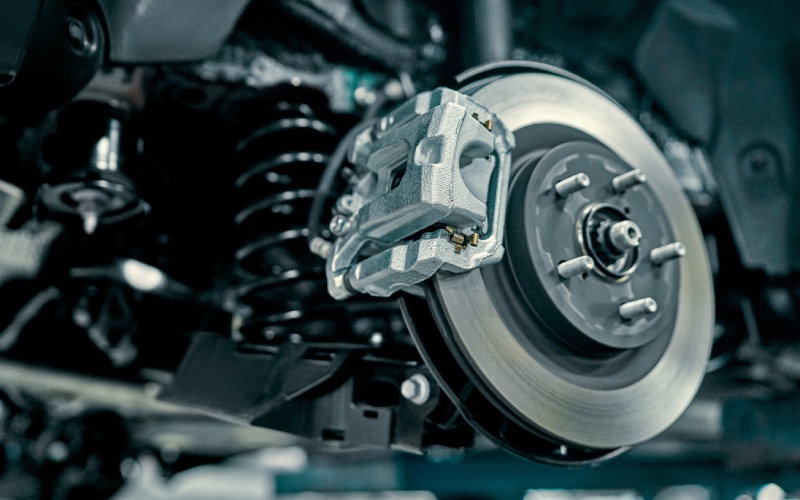
Sheboygan Quick Lube Plus – Brake Pedal Feel and Fluid Checks for Sheboygan, WI Drivers
Brake pedal feel is one of the clearest ways your vehicle communicates with you. A firm, consistent pedal usually means the hydraulic braking system is responding as expected. A pedal that feels soft, spongy, unusually low, or inconsistent may indicate a condition that needs attention. The cause is not always obvious from the driver’s seat, which is why brake fluid checks are such a useful part of routine maintenance. Brake fluid carries force from your foot to the brake components, and it must stay clean, properly filled, and stable under heat and pressure. When the fluid becomes contaminated, absorbs too much moisture, or drops below the proper level, the entire braking system can be affected.
Sheboygan drivers often use vehicles for a mix of local errands, work commutes, school activities, lakeshore routes, and highway travel. That combination means brakes may go from frequent low-speed stops to longer stretches of steady driving in a single day. Reliable pedal feel matters in all of those situations. A quick service visit is a practical time to ask for a brake fluid review, especially when your vehicle is already receiving an oil change, tire pressure check, or multi-point inspection. Sheboygan Quick Lube Plus helps drivers keep maintenance straightforward by reviewing important systems and communicating noticeable changes before a small concern becomes more inconvenient.
What Brake Pedal Feel Can Tell You
The brake pedal should feel predictable. It should not sink slowly while you hold pressure at a stop, pulse unexpectedly under normal braking, or require extra force to slow the vehicle. Some vehicles naturally have a slightly different pedal feel based on brake design, weight, and power assist setup, but sudden changes are worth noting. If you drive the same vehicle every day, you are often the first person to notice when something feels different. That detail can help a technician understand when the concern started and whether it happens during every stop or only in certain conditions.
- Spongy pedal feel: Air, moisture, or fluid condition may be affecting hydraulic pressure.
- Low pedal travel: The pedal may move farther than normal before braking feels firm.
- Brake warning light: Low fluid, system imbalance, or another brake issue may be present.
- Inconsistent response: The vehicle may not slow as smoothly or predictably as usual.
These symptoms do not always mean a major repair is needed, but each one deserves a closer look. Low brake fluid can be related to normal brake pad wear, but it can also point to a leak. Dirty fluid may suggest moisture or contamination. A dashboard warning may require additional inspection. The safest approach is to treat pedal changes as useful information and have the system checked promptly.
Why Brake Fluid Condition Matters
Brake fluid is designed to handle pressure and heat while protecting internal brake components. Over time, many brake fluids absorb moisture. This can lower the boiling point of the fluid and may contribute to corrosion inside metal lines, calipers, wheel cylinders, and master cylinder components. The result may not be immediate, which is why brake fluid can be forgotten during basic vehicle care. However, long-term neglect can affect the feel and reliability of the braking system.
A fluid check typically focuses on reservoir level, visible color, clarity, and signs of contamination. Fresh brake fluid is usually lighter and cleaner in appearance, while older fluid may look darker or cloudy. Color alone does not provide a complete diagnosis, but it is one useful clue. A technician may also look for dampness around lines or hoses, damaged rubber components, or other visible concerns. Because the brake system is safety-critical, any suspected leak or unusual pedal behavior should be handled with care.
How Brake Fluid Checks Connect With Other Maintenance
Brake performance is connected to more than brake fluid. Tires, tire pressure, alignment, suspension condition, and brake component wear all influence how your vehicle stops. A vehicle with worn tires may take longer to stop even if the brake fluid is clean. A vehicle with uneven tire pressure may feel less stable under braking. That is why routine inspections are valuable. A 27-point courtesy inspection can help review major systems, fluids, battery condition, air filter condition, tire pressure, tire condition, brake lines, hoses, and other maintenance items.
- Start with routine service: Pair fluid checks with oil changes, tire rotations, and inspections.
- Share symptoms clearly: Mention soft pedal feel, warning lights, or visible fluid spots.
- Review recommendations: Ask what was observed and what service may be needed next.
- Follow your maintenance schedule: Use the owner’s manual as a guide for brake fluid intervals.
This layered approach helps you make decisions based on actual vehicle condition rather than guesswork. It also supports better long-term ownership because brake fluid issues, tire wear, and alignment concerns can be caught earlier when maintenance is consistent.
When to Ask for a Brake Fluid Review
You do not need to wait for a warning light to ask about brake fluid. If your vehicle is due for an oil change, if you recently purchased a used vehicle, or if you cannot remember the last brake fluid service, a check is worthwhile. It is also smart to ask if the brake pedal feels different, if stopping distance seems longer, or if you see fluid near a wheel or under the vehicle. The goal is to understand the condition of the system and decide whether monitoring, service, or further diagnosis is appropriate.
Our local Sheboygan approach focuses on practical maintenance guidance for everyday drivers. Brake fluid care is not about replacing parts without reason; it is about protecting a system you rely on every time you drive. When brake fluid checks become part of your regular maintenance rhythm, you gain a clearer picture of your vehicle’s health. That confidence matters whether you drive a commuter car, family SUV, pickup, hybrid, or diesel vehicle.
Frequently Asked Questions:
Can I check brake fluid myself?
You can look at the reservoir level on many vehicles, but avoid opening the cap unless necessary because brake fluid can absorb moisture and contamination. A professional check is best for accurate guidance.
Does brake fluid last forever?
No. Brake fluid can absorb moisture over time and may become less protective. Your manufacturer’s maintenance schedule can help identify the correct service interval.
Is dark brake fluid always unsafe?
Dark fluid is a warning sign that the fluid may be aged or contaminated, but a technician should evaluate the system and recommend the right next step.
Should brake fluid be checked with every oil change?
It is a good habit to have the brake fluid level and visible condition reviewed during routine service. This helps catch changes early and keeps maintenance more organized.
Brake pedal feel and brake fluid condition are simple topics with major importance. If something feels different, listen to the vehicle and ask for an inspection. A timely check can help protect braking confidence, reduce the chance of avoidable wear, and support safer daily driving across the Sheboygan area.
Request more information
Connect with us

