

Providing Quality Oil Change Service for Any Make or Model!
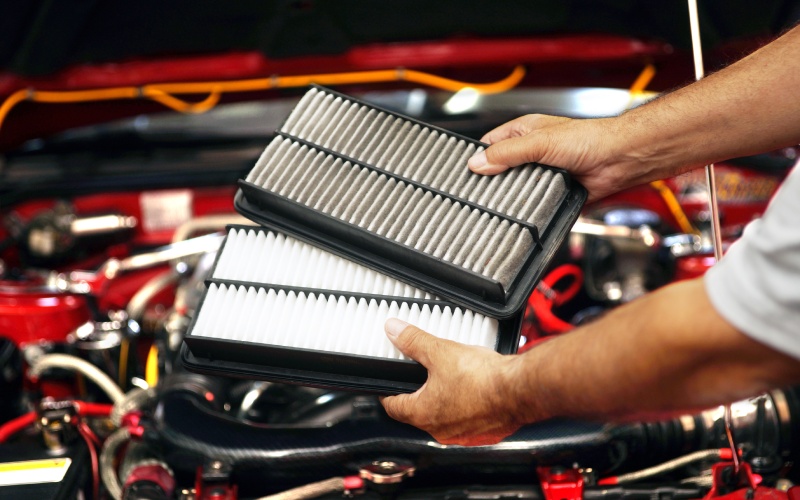
Sheboygan Quick Lube Plus – Smart Engine Air Filter Care for Daily Drives around Sheboygan, WI
Clean engine air is the unsung hero of smooth acceleration, crisp throttle response, and consistent fuel economy. If your engine cannot breathe freely, every mile feels a little harder, and every stoplight launch takes a little longer. That is why engine air filter care belongs on your short list of routine maintenance — simple to check, quick to replace, and essential for long-term reliability. In a community with a mix of city streets, waterfront breezes, and county-road detours like Sheboygan, WI, airborne dust, pollen, and grit are a constant. Your filter catches it all before it can reach sensitive parts like the mass airflow (MAF) sensor and the cylinders. Keep it healthy, and your whole powertrain benefits.
How often should you replace an engine air filter? The owner’s manual guidance is a good baseline, but your actual interval hinges on your environment and driving style. Short trips, frequent idling, and time spent near construction zones load up the filter faster. If you often hop between errands along Washington Avenue, jump on I-43, and loop back through neighborhood side streets, your filter is working overtime, trapping fine debris. A quick monthly look is smart: open the air box, remove the element, and hold it to the light. If you cannot see light through much of the media or the pleats look caked with dust, it is time to change.
- Watch for drivability changes like hesitation or rough idle
- Track fuel economy to spot airflow-related dips
- Listen for unusual intake sounds from the air box
- Inspect the air box seal and duct clamps during each check
- Match the filter to your engine’s exact specifications
Accuracy matters. A filter that is slightly off in size may appear to fit but leave gaps that let unfiltered air bypass the media. That unmetered air can confuse the MAF sensor, skew fuel trims, and even illuminate the check engine light. When you install a new element, make sure the gasket seats squarely, the air box latches click firmly, and the snorkel clamps are tight. If your vehicle uses a reusable oiled filter, follow the manufacturer’s cleaning and oiling instructions meticulously — too much oil can coat the MAF wire and trigger drivability issues.
Many drivers ask whether a fresh filter will boost miles per gallon. The best way to think about it is recovery rather than a bonus. As a filter loads up, airflow drops, and the engine compensates with different fuel trims and throttle behavior. Restoring a clean, correct-flow path lets the engine get back to its designed balance. You may notice the throttle feels lighter, hill climbs require less pedal, and your average fuel economy returns to where it used to be. Those are real gains in daily satisfaction, even if they do not show up as a dramatic number on paper.
Local conditions influence maintenance more than you might expect. Around the lakeshore, breezes carry fine organic matter that adheres to the filter. During roadwork, heavy equipment kicks up grit that lingers downwind for days. Rural shortcuts near fields can add a surprising amount of dust in a single trip. If your routine includes any of these, consider inspecting the filter at every oil change and replacing it earlier than the manual’s maximum. A conservative approach beats putting extra wear on piston rings and cylinder walls.
Here is a simple at-home inspection routine you can use between professional visits:
- Shut off the engine and open the hood safely
- Release the air box clips or screws and note the filter orientation
- Lift the element out carefully to avoid dumping debris into the box
- Tap the filter gently to dislodge loose dust and check the pleats
- Hold it to a bright light to gauge remaining airflow capacity
- Vacuum out the air box and wipe the gasket seat before reassembly
- Reinstall the filter correctly and secure all latches and clamps
Even with a good DIY routine, pairing your intake check with a professional multi-point inspection is wise. Technicians see patterns across makes and models, know where ducts commonly crack, and can advise whether a drivability symptom is filter-related or points to a sensor or ignition component instead. That context saves time and helps you prioritize maintenance in a way that truly supports long-term reliability.
If you want a quick, expert perspective, Sheboygan Quick Lube Plus can evaluate your filter, confirm the correct part, and install it properly while also checking related intake components. We welcome all makes and models and offer an efficient, straightforward visit that respects your schedule and driving needs.
Frequently Asked Questions:
Will a high-flow performance filter help my daily driver?
High-flow elements can reduce restriction at high RPM, but for typical commuting, they rarely change the real-world feel. Filtration quality and proper sealing matter most for longevity.
Is it okay to blow out a dirty paper filter with compressed air?
It is not recommended. High-pressure air can damage the paper fibers and create micro-tears that reduce filtration. Replace the element instead.
Why does my filter get dirty so fast after road construction?
Freshly milled surfaces and aggregate dust remain airborne long after crews finish for the day. That fine grit loads up the outer pleats quickly, especially on short trips.
Can a clogged cabin air filter affect the engine?
Cabin and engine filters serve different systems. A clogged cabin filter affects HVAC airflow and comfort, while the engine air filter impacts performance and fuel economy.
How can I tell if unmetered air is getting past the filter?
Look for loose clamps, cracked ducts, or a misaligned air box lid. Symptoms can include surging, lean codes, or unusual intake sounds. Fixing the seal path is essential.
Request more information
Connect with us

